Welcome,
My name is Laura Murphy, I am Biologist and a practitioner of Natural Medicine, I am a qualified Naturopath, Homeopath, Herbalist and Nutritionist.
I am passionate about natural medicine especially in regard to cancer. I spend innumerable hours researching evidence based natural therapies and cancer and instead of hoarding all this valuable information on my computer, I decided to set up this humble website. My lack of website design skills are very evident, and I apologise, but I reason; something is better than nothing. It is a slow process scouring the science journals and sites and then uploading the information, I am a one woman show. But please keep visiting as this is an ongoing process and also please do not be put off by the scientific jargon - go straight to the conclusion or discussion to read the positive effects of the food, herb, homeopathic medicine etc. on cancer in general or a specific cancer. I want to help in the battle against cancer and to prove to the masses that there are other therapies be it nutrition, homeopathy, herbal medicine, guided imagery, yoga, meditation, laughter therapy, to name but a few that have been scientifically proven to help prevent and treat cancer.
If you find this site helpful and informative, please consider a small donation - it lets me know that I am doing something worthwhile
My name is Laura Murphy, I am Biologist and a practitioner of Natural Medicine, I am a qualified Naturopath, Homeopath, Herbalist and Nutritionist.
I am passionate about natural medicine especially in regard to cancer. I spend innumerable hours researching evidence based natural therapies and cancer and instead of hoarding all this valuable information on my computer, I decided to set up this humble website. My lack of website design skills are very evident, and I apologise, but I reason; something is better than nothing. It is a slow process scouring the science journals and sites and then uploading the information, I am a one woman show. But please keep visiting as this is an ongoing process and also please do not be put off by the scientific jargon - go straight to the conclusion or discussion to read the positive effects of the food, herb, homeopathic medicine etc. on cancer in general or a specific cancer. I want to help in the battle against cancer and to prove to the masses that there are other therapies be it nutrition, homeopathy, herbal medicine, guided imagery, yoga, meditation, laughter therapy, to name but a few that have been scientifically proven to help prevent and treat cancer.
If you find this site helpful and informative, please consider a small donation - it lets me know that I am doing something worthwhile
Cancer Inhibition by Inositol Hexaphosphate (IP6) and Inositol: From Laboratory to Clinic
In addition to reducing cell proliferation, IP6 increases differentiation of malignant cells, often resulting in a reversion to normal phenotype. Exogenously administered IP6 is rapidly taken into the cells and dephosphorylated to lower-phosphate inositol phosphates, which further interfere with signal transduction pathways and cell cycle arrest. Enhanced immunity and antioxidant properties can also contribute to tumor cell destruction.
In addition to reducing cell proliferation, IP6 increases differentiation of malignant cells, often resulting in a reversion to normal phenotype. Exogenously administered IP6 is rapidly taken into the cells and dephosphorylated to lower-phosphate inositol phosphates, which further interfere with signal transduction pathways and cell cycle arrest. Enhanced immunity and antioxidant properties can also contribute to tumor cell destruction.

Tetrastigma hemsleyanum (Sanyeqing) root extracts evoke S phase arrest while inhibiting the migration and invasion of human pancreatic cancer PANC-1 cells
ConclusionTreatment of PANC-1 with EFT demonstrated measurable cytotoxic effects. Furthermore, EFT evoked S phase arrest while inhibiting the migration and invasion of PANC-1 cells. Additionally, EFT inhibited the epithelial to mesenchymal transition and MMPs expression in PANC-1 cells. This study serves to confirm the strong therapeutic potential of EFT while identifying the mechanisms of action
ConclusionTreatment of PANC-1 with EFT demonstrated measurable cytotoxic effects. Furthermore, EFT evoked S phase arrest while inhibiting the migration and invasion of PANC-1 cells. Additionally, EFT inhibited the epithelial to mesenchymal transition and MMPs expression in PANC-1 cells. This study serves to confirm the strong therapeutic potential of EFT while identifying the mechanisms of action
Brain Tumour + Propolis + Hypericum perforatum

Anti-proliferative and anti-migration effects of Polish propolis combined with Hypericum perforatum L. on glioblastoma multiforme cell line U87MG
In this study, the combination of ethanolic extract from propolis and ethanolic extract of fresh-cut H. perforatum L. was proved the ability to reduce invasiveness of glioma cells through the inhibition of MMP2 and MMP9 secretion and suppression of cell migration. It has a more potent anti-proliferative effect on U87MG glioma cell line compared to using propolis and H. perforatum L. separately. Further studies are required to verify whether the examined extracts can activate apoptotic pathways.
In this study, the combination of ethanolic extract from propolis and ethanolic extract of fresh-cut H. perforatum L. was proved the ability to reduce invasiveness of glioma cells through the inhibition of MMP2 and MMP9 secretion and suppression of cell migration. It has a more potent anti-proliferative effect on U87MG glioma cell line compared to using propolis and H. perforatum L. separately. Further studies are required to verify whether the examined extracts can activate apoptotic pathways.
Pancreatic cancer + Artemisinin

Artemisinin as a Chinese medicine, selectively induces apoptosis in pancreatic tumor cell line
Artemisinin can induce apoptosis in the RIN cells via the generation of ROS and triggering the intrinsic pathway of cell death.
Artemisinin can induce apoptosis in the RIN cells via the generation of ROS and triggering the intrinsic pathway of cell death.
Breast cancer + Tien-Hsien Liquid

Chinese Herbal Mixture, Tien-Hsien Liquid, Induces G2/M Cycle Arrest and Radiosensitivity in MCF-7 Human Breast Cancer Cells through Mechanisms Involving DNMT1 and Rad51 Downregulation
The Chinese herbal mixture, Tien-Hsien Liquid (THL), has been proven to suppress the growth and invasiveness of cancer cells and is currently regarded as a complementary medicine for the treatment of cancer. Our previous study using acute promyelocytic leukemia cells uncovered its effect on the downregulation of DNA methyltransferase 1 (DNMT1) which is often overexpressed in cancer cells resulting in the repression of tumor suppressors via hypermethylation. Herein, we explored the effects of THL in MCF-7 breast cancer cells that also demonstrate elevated DNMT1. The results show that THL dose-dependently downregulated DNMT1 accompanied by the induction of tumor suppressors such as p21 and p15. THL arrested cell cycle in G2/M phase and decreased the protein levels of cyclin A, cyclin B1, phospho-pRb, and AKT. DNMT1 inhibition was previously reported to exert a radiosensitizing effect in cancer cells through the repression of DNA repair. We found that THL enhanced radiation-induced clonogenic cell death in MCF-7 cells and decreased the level of DNA double-strand break repair protein, Rad51. Our observations may be the result of DNMT1 downregulation
The Chinese herbal mixture, Tien-Hsien Liquid (THL), has been proven to suppress the growth and invasiveness of cancer cells and is currently regarded as a complementary medicine for the treatment of cancer. Our previous study using acute promyelocytic leukemia cells uncovered its effect on the downregulation of DNA methyltransferase 1 (DNMT1) which is often overexpressed in cancer cells resulting in the repression of tumor suppressors via hypermethylation. Herein, we explored the effects of THL in MCF-7 breast cancer cells that also demonstrate elevated DNMT1. The results show that THL dose-dependently downregulated DNMT1 accompanied by the induction of tumor suppressors such as p21 and p15. THL arrested cell cycle in G2/M phase and decreased the protein levels of cyclin A, cyclin B1, phospho-pRb, and AKT. DNMT1 inhibition was previously reported to exert a radiosensitizing effect in cancer cells through the repression of DNA repair. We found that THL enhanced radiation-induced clonogenic cell death in MCF-7 cells and decreased the level of DNA double-strand break repair protein, Rad51. Our observations may be the result of DNMT1 downregulation
Lung cancer + Descurainia sophia seeds

Ethanolic extract of Descurainia sophia seeds sensitizes A549 human lung cancer cells to TRAIL cytotoxicity by upregulating death receptors
In this study, we were the first to demonstrate that the crude extract of D. sophia seeds effectively sensitized TRAIL-refractory A549 lung cancer cells to TRAIL-induced apoptosis by upregulating DR5 at the transcriptional level ....The biological activities of the extract of D. sophia, such as analgesic, antipyretic, anti-inflammatory, and cytotoxic effects may be attributed to some of aforementioned phytochemicals or unknown ones, and/or their combination. In the present study, however, we did not identify the active component(s) of EEDS responsible for the synergistic anticancer effect with TRAIL; this discovery remains for future study.
In this study, we were the first to demonstrate that the crude extract of D. sophia seeds effectively sensitized TRAIL-refractory A549 lung cancer cells to TRAIL-induced apoptosis by upregulating DR5 at the transcriptional level ....The biological activities of the extract of D. sophia, such as analgesic, antipyretic, anti-inflammatory, and cytotoxic effects may be attributed to some of aforementioned phytochemicals or unknown ones, and/or their combination. In the present study, however, we did not identify the active component(s) of EEDS responsible for the synergistic anticancer effect with TRAIL; this discovery remains for future study.
Larynx Squamous Cell Carcinoma + Euphorbia tirucalli

Euphorbia tirucalli modulates gene expression in larynx squamous cell carcinoma"
These findings show that the E. tirucalli latex alters the expression of genes with roles in signaling cascades involved in the inflammatory and tumorigenic processes. E. tirucalli latex was also shown to alter the proliferation of Hep-2 cells. Thus, our results point to possible applications of this herb as an indicator of innovative therapies for the treatment of larynx squamous cell carcinoma."
These findings show that the E. tirucalli latex alters the expression of genes with roles in signaling cascades involved in the inflammatory and tumorigenic processes. E. tirucalli latex was also shown to alter the proliferation of Hep-2 cells. Thus, our results point to possible applications of this herb as an indicator of innovative therapies for the treatment of larynx squamous cell carcinoma."
Methotrexate Induced Intestinal Toxicity + Rutin

Rutin attenuates intestinal toxicity induced by Methotrexate linked with anti-oxidative and anti-inflammatory effects
The administration of rutin demonstrated significant protection against intestinal lesions damaged by MTX. The treatment with rutin elicited noticeable inhibition of free acidity (26.20 %), total acidity (22.05 %) and CMDI (1.16 %) in the experimental animals similar to control. In MTX treated toxic group, the levels of oxidative markers and immunoregulatory cytokines significantly increased in comparison to control, which was subsequently restored after rutin treatment. Rutin also demonstrated 75.63, 81.00 and 80.43 % inhibition of cyclooxygenase-1 and 2, and 15-lipoxygenase respectively....The positive modulation of MTX toxicity could be attributed to the free radical scavenging and anti-inflammatory (dual inhibition of arachidonic acid pathways) potential of rutin."
The administration of rutin demonstrated significant protection against intestinal lesions damaged by MTX. The treatment with rutin elicited noticeable inhibition of free acidity (26.20 %), total acidity (22.05 %) and CMDI (1.16 %) in the experimental animals similar to control. In MTX treated toxic group, the levels of oxidative markers and immunoregulatory cytokines significantly increased in comparison to control, which was subsequently restored after rutin treatment. Rutin also demonstrated 75.63, 81.00 and 80.43 % inhibition of cyclooxygenase-1 and 2, and 15-lipoxygenase respectively....The positive modulation of MTX toxicity could be attributed to the free radical scavenging and anti-inflammatory (dual inhibition of arachidonic acid pathways) potential of rutin."
Breast cancer + Metastasis + Kava Kava

Flavokawain B induced cytotoxicity in two breast cancer cell lines, MCF-7 and MDA-MB231 and inhibited the metastatic potential of MDA-MB231 via the regulation of several tyrosine kinases In vitro
"Based on our results, apoptosis was induced when both MCF-7 and MDA-MB231 were treated with FKB. A significant G2/M arrest was seen in MDA-MB231 cells. Additionally, FKB also inhibited the in vitro migration and invasion in MDA-MB231 cells in a dose dependent manner. Moreover, FKB can be a potential inhibitor in angiogenesis as it suppressed the formation of vessels in HUVEC cells as well as in the ex-vivo rat aortic ring assay.Our findings suggested that FKB also regulated several receptor tyrosine kinases. Overall, FKB is not only a potential candidate to be an anti-cancer agent, but as an anti-metastatic agent as well."
"Based on our results, apoptosis was induced when both MCF-7 and MDA-MB231 were treated with FKB. A significant G2/M arrest was seen in MDA-MB231 cells. Additionally, FKB also inhibited the in vitro migration and invasion in MDA-MB231 cells in a dose dependent manner. Moreover, FKB can be a potential inhibitor in angiogenesis as it suppressed the formation of vessels in HUVEC cells as well as in the ex-vivo rat aortic ring assay.Our findings suggested that FKB also regulated several receptor tyrosine kinases. Overall, FKB is not only a potential candidate to be an anti-cancer agent, but as an anti-metastatic agent as well."
Nasopharyngeal carcinoma + Centipeda minima (Ebushicao)

Centipeda minima (Ebushicao) extract inhibits PI3K-Akt-mTOR signaling in nasopharyngeal carcinoma CNE-1 cells
"Centipeda minima (Ebushicao) has been used for the treatment of various diseases, such as nasal allergies, rhinitis and sinusitis, nasopharyngeal carcinoma, cough, and headache. This study aims to investigate the anticancer activities of Centipeda minima ethanol extracts (CME) against nasopharyngeal carcinoma cell CNE-1 and their underlying mechanism. Conclusion : CME inhibited the proliferation of CNE-1 cells and activation of the PI3K-AKT-mTOR signaling pathway.
"Centipeda minima (Ebushicao) has been used for the treatment of various diseases, such as nasal allergies, rhinitis and sinusitis, nasopharyngeal carcinoma, cough, and headache. This study aims to investigate the anticancer activities of Centipeda minima ethanol extracts (CME) against nasopharyngeal carcinoma cell CNE-1 and their underlying mechanism. Conclusion : CME inhibited the proliferation of CNE-1 cells and activation of the PI3K-AKT-mTOR signaling pathway.
Nasopharyngeal carcinoma + Green Speckled Lentil seeds
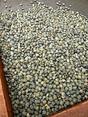
Lectin from green speckled lentil seeds (Lens culinaris) triggered apoptosis in nasopharyngeal carcinoma cell lines
"To our knowledge, GSLL is the first lectin from the Lens genus to exhibit proapoptotic activities on tumor cells."
"To our knowledge, GSLL is the first lectin from the Lens genus to exhibit proapoptotic activities on tumor cells."
Radiation-Induced Osteoporosis + Panax notoginseng

Panax notoginseng saponins suppress radiation-induced osteoporosis by regulating bone formation and resorption.
"In conclusion, we demonstrated that LPNS can reverse osteoporosis in a radiation-induced mouse model, and that LPNS exhibits potential antiosteoporotic properties when tested in osteoblasts and osteoclasts in vitro. These results suggest the total saponins extracted from the leaves of Panax notoginseng (a traditional Chinese medicinal plant), warrant further investigation as a potential agent to treat radiation-induced osteoporotic disease.
"In conclusion, we demonstrated that LPNS can reverse osteoporosis in a radiation-induced mouse model, and that LPNS exhibits potential antiosteoporotic properties when tested in osteoblasts and osteoclasts in vitro. These results suggest the total saponins extracted from the leaves of Panax notoginseng (a traditional Chinese medicinal plant), warrant further investigation as a potential agent to treat radiation-induced osteoporotic disease.
Liver cancer + Curcumin

Dendrosomal curcumin increases expression of the long non-coding RNA gene MEG3 via up-regulation of epi-miRs in hepatocellular cancer.
"DNC potentially can induce DNA hypomethylation and reexpression of silenced tumor suppressor genes in HCC. These data suggest that DNC could be an effective choice for epigenetic therapy of HCC"
"DNC potentially can induce DNA hypomethylation and reexpression of silenced tumor suppressor genes in HCC. These data suggest that DNC could be an effective choice for epigenetic therapy of HCC"
Lung cancer + Spirulina

Isolation of methyl gamma linolenate from spirulina platensis using flash chromatography and its apoptosis inducing effect
"It may be concluded that the Flash chromatography system plays a major role in improving the yield for theisolation of methyl gamma linoleate from Spirulina platensis and the isolated molecule is a potent cytotoxicagent towards human lung carcinoma cell lines"
"It may be concluded that the Flash chromatography system plays a major role in improving the yield for theisolation of methyl gamma linoleate from Spirulina platensis and the isolated molecule is a potent cytotoxicagent towards human lung carcinoma cell lines"
Ovarian cancer + Margaritaria discoidea
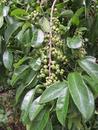
Cytotoxic effects of stem bark extracts and pure compounds from Margaritaria discoidea on human ovarian cancer cell lines
"This study has evaluated the cytotoxicity of stem bark extracts of M. discoidea against ovarian cancer cells and provided a basis of further development of this plant for the treatment of ovarian cancer."
"This study has evaluated the cytotoxicity of stem bark extracts of M. discoidea against ovarian cancer cells and provided a basis of further development of this plant for the treatment of ovarian cancer."
Prostate cancer + Bioactive Natural Products

Bioactive Natural Products against Prostate Cancer: Mechanism of Action and Autophagic/Apoptotic Molecular Pathways
"Due to the fact that conventional chemotherapy is not adequately effective against prostate cancer and has severe side effects, numerous in vitrostudies have been conducted in order to identify the potent cytotoxic or chemopreventive activity of naturally occurring compounds and their respective molecular mechanisms of action. In this context, many natural compounds isolated from plants have been found to inhibit cancer growth and to induce cell cycle arrest, suppress angiogenesis, and promote apoptotic or autophagic cell death. Therefore, in this article, the most promising bioactive natural products and their respective mechanisms of action for the prevention or/and treatment of prostate cancer are presented."
"Due to the fact that conventional chemotherapy is not adequately effective against prostate cancer and has severe side effects, numerous in vitrostudies have been conducted in order to identify the potent cytotoxic or chemopreventive activity of naturally occurring compounds and their respective molecular mechanisms of action. In this context, many natural compounds isolated from plants have been found to inhibit cancer growth and to induce cell cycle arrest, suppress angiogenesis, and promote apoptotic or autophagic cell death. Therefore, in this article, the most promising bioactive natural products and their respective mechanisms of action for the prevention or/and treatment of prostate cancer are presented."
Liver cancer + Thai/Lanna Medicinal Plants
Potent Antiproliferative Effect on Liver Cancer of Medicinal Plants Selected from the Thai/Lanna Medicinal Plant Recipe Database “MANOSROI III”
Twenty-three plants were found in high frequency in the anticancer recipes which were selected from the “MANOSROI III” database. Although most recipes were traditionally prepared by boiling with water, in this study these 23 plants were extracted by methanol, a high polarity range solvent under reflux.
This study has confirmed not only the traditional use of the Thai/Lanna medicinal plant recipes for cancer treatments, but also the potential of plants selected from these recipes for the further development to modern anticancer drug with antioxidative activities.
Twenty-three plants were found in high frequency in the anticancer recipes which were selected from the “MANOSROI III” database. Although most recipes were traditionally prepared by boiling with water, in this study these 23 plants were extracted by methanol, a high polarity range solvent under reflux.
This study has confirmed not only the traditional use of the Thai/Lanna medicinal plant recipes for cancer treatments, but also the potential of plants selected from these recipes for the further development to modern anticancer drug with antioxidative activities.
Liver cancer + Pterocephalus hookeri

In Vitro and In Vivo Antitumor Effects of n-Butanol Extracts of Pterocephalus hookeri on Hep3B Cancer Cell
"The results obtained in this study suggested that n-butanol extracts of Pterocephalus hookeri (YSC-ZDC) treatment inhibited cell proliferation, induced apoptosis, blocked PI3K pathway, and regulated levels of Bcl-2 family proteins in vitro. Administrating YSC-ZDC inhibited growth hepatoma xenografts by regulating Bcl-2 family proteins expression in vivo. These data demonstrated that YSC-ZDC treatment may be an effective therapeutic strategy for cancer."
"The results obtained in this study suggested that n-butanol extracts of Pterocephalus hookeri (YSC-ZDC) treatment inhibited cell proliferation, induced apoptosis, blocked PI3K pathway, and regulated levels of Bcl-2 family proteins in vitro. Administrating YSC-ZDC inhibited growth hepatoma xenografts by regulating Bcl-2 family proteins expression in vivo. These data demonstrated that YSC-ZDC treatment may be an effective therapeutic strategy for cancer."
Chemotherapeutic Drug Liver Injury + Haoqin Qingdan

The Hepatoprotective Effect of Haoqin Qingdan Decoction against Liver Injury Induced by a Chemotherapeutic Drug Cyclophosphamide
"Overall, the present study demonstrated that HQQD has hepatoprotective effect which may be partly due to attenuating oxidative stress and the hepatic caspase-3-dependent intrinsic apoptosis. Our findings indicated that Chinese herbs will be helpful in promoting the appropriate use of alkylating agent for cancer chemotherapy.
"Overall, the present study demonstrated that HQQD has hepatoprotective effect which may be partly due to attenuating oxidative stress and the hepatic caspase-3-dependent intrinsic apoptosis. Our findings indicated that Chinese herbs will be helpful in promoting the appropriate use of alkylating agent for cancer chemotherapy.
Pancreatic cancer + Bitter Melon

Bitter melon juice activates cellular energy sensor AMPactivated protein kinase causing apoptotic death of human pancreatic carcinoma cells
Overall, BMJ exerts strong anti-cancer efficacy against human pancreatic carcinoma cells, both in vitro and in vivo, suggesting its clinical usefulness
Overall, BMJ exerts strong anti-cancer efficacy against human pancreatic carcinoma cells, both in vitro and in vivo, suggesting its clinical usefulness
Breast cancer + Chickpea Sprouts

Isoflavones Extracted from Chickpea Cicer arietinum L. Sprouts Induce Mitochondria-Dependent Apoptosis in Human Breast Cancer Cells
"This is the first study to demonstrate that ICS may be a chemopreventive or therapeutic agent against breast cancer. "
"This is the first study to demonstrate that ICS may be a chemopreventive or therapeutic agent against breast cancer. "
Cancer + Essential Oils

Exploitation of Cytotoxicity of Some Essential Oils for Translation in Cancer Therapy
From the available literature essential oils seem to have a great potential as anticancer therapeutic agents; however, information regarding their mechanism of action is still lacking and far from being deciphered.
Indeed, their complex chemical composition makes it difficult to envisage a single mechanism underlying the entireness of the biological effect, which is likely the sum and/or synergy of the biological activity of each component. For the same reason, data obtained from single components may not necessarily be, in turn, applied to the whole essential oil. On the other hand, the presence in the phytocomplex of numerous constituents that simultaneously interfere with multiple signaling pathway might be the key for overcoming the current limit of chemotherapeutic agents and in particular the development of multidrug resistance.
From the available literature essential oils seem to have a great potential as anticancer therapeutic agents; however, information regarding their mechanism of action is still lacking and far from being deciphered.
Indeed, their complex chemical composition makes it difficult to envisage a single mechanism underlying the entireness of the biological effect, which is likely the sum and/or synergy of the biological activity of each component. For the same reason, data obtained from single components may not necessarily be, in turn, applied to the whole essential oil. On the other hand, the presence in the phytocomplex of numerous constituents that simultaneously interfere with multiple signaling pathway might be the key for overcoming the current limit of chemotherapeutic agents and in particular the development of multidrug resistance.
Melanoma + Vitamin C

Decreased Plasma Ascorbate Levels in Stage IV Melanoma Patients
"Ascorbate levels in the plasma of 126 melanoma patients were significantly decreased in the cohort of stage IV patients and were further decreased by polychemo- or immunotherapy in stage IV patients. Considering the importance of adequate ascorbate supply, ascorbate substitution in physiological doses could be considered for late-stage melanoma patients."
"Ascorbate levels in the plasma of 126 melanoma patients were significantly decreased in the cohort of stage IV patients and were further decreased by polychemo- or immunotherapy in stage IV patients. Considering the importance of adequate ascorbate supply, ascorbate substitution in physiological doses could be considered for late-stage melanoma patients."
Metastasis + Mistletoe + Arabinoxylan preparation obtained from Rice Bran + Wheat Germ Extract

Can Standardized Plant Extracts Induce Complete Remission in Patients with Metastatic Tumors?
" Standardized plant extracts (such as ME/ML, MGN-3 and WGE) seem to be potent candidates to be regarded as a supportive therapy of metastatic tumors."
" Standardized plant extracts (such as ME/ML, MGN-3 and WGE) seem to be potent candidates to be regarded as a supportive therapy of metastatic tumors."
Lung cancer + Curcumin + Resveratrol

Anti-Inflammatory and Pro-apoptotic Effects of Curcumin and Resveratrol on the Human Lung Fibroblast Cell Line MRC-5
Both curcumin and resveratrol effectively attenuated IL-1β and PMA-induced IL-6 expression in MRC-5 cells. Furthermore, curcumin treatment induced apoptosis via caspase-3 signaling and caused endoplasmic reticulum (ER) stress. Salubrinal, an inhibitor of serine/threonine phosphatase PP1, and antioxidants such as N-acetyl-cysteine (NAC), reduced glutathione (GSH) and sodium hydrogen sulfide (NaHS) diminished the cytotoxic effects of curcumin on MRC-5 cells. In contrast to curcumin, resveratrol had no negative effects on cell viability
Both curcumin and resveratrol effectively attenuated IL-1β and PMA-induced IL-6 expression in MRC-5 cells. Furthermore, curcumin treatment induced apoptosis via caspase-3 signaling and caused endoplasmic reticulum (ER) stress. Salubrinal, an inhibitor of serine/threonine phosphatase PP1, and antioxidants such as N-acetyl-cysteine (NAC), reduced glutathione (GSH) and sodium hydrogen sulfide (NaHS) diminished the cytotoxic effects of curcumin on MRC-5 cells. In contrast to curcumin, resveratrol had no negative effects on cell viability
Prostate cancer + Greek Thyme Honey

A monoterpene, unique component of thyme honeys, induces apoptosis in prostate cancer cells via inhibition of NF-[kappa]B activity and IL-6 secretion
Conclusively, the Greek thyme honey-derived monoterpene exerted significant apoptotic activity in PC-3 cells, mediated, at least in part, through reduction of NF-[kappa]B activity and IL-6 secretion and may play a key role in the anti-growth effect of thyme honey on prostate cancer cells.
Conclusively, the Greek thyme honey-derived monoterpene exerted significant apoptotic activity in PC-3 cells, mediated, at least in part, through reduction of NF-[kappa]B activity and IL-6 secretion and may play a key role in the anti-growth effect of thyme honey on prostate cancer cells.
Leukemia + Cordyceps militaris

Synergistic property of cordycepin in cultivated Cordyceps militaris-mediated apoptosis in human leukemia cells.
Together, our results suggest that cordycepin possesses a synergistic cytotoxic effect with Cordyceps militaris-mediated apoptosis in human leukemia cells and therefore explaining a better anti-proliferating activity of [CM.sub.FB] over [CM.sub.MY].
Together, our results suggest that cordycepin possesses a synergistic cytotoxic effect with Cordyceps militaris-mediated apoptosis in human leukemia cells and therefore explaining a better anti-proliferating activity of [CM.sub.FB] over [CM.sub.MY].
Bladder cancer + Frankincense + Sandalwood Essential Oils

Differential effects of selective frankincense (Ru Xiang) essential oil versus non-selective sandalwood (Tan Xiang) essential oil on cultured bladder cancer cells: a microarray and bioinformatics study
The effects of frankincense and sandalwood essential oils on J82 cells and UROtsa cells involved different mechanisms leading to cancer cell death. While frankincense essential oil elicited selective cancer cell death via NRF-2-mediated oxidative stress, sandalwood essential oil induced non-selective cell death via DNA damage and cell cycle arrest.
The effects of frankincense and sandalwood essential oils on J82 cells and UROtsa cells involved different mechanisms leading to cancer cell death. While frankincense essential oil elicited selective cancer cell death via NRF-2-mediated oxidative stress, sandalwood essential oil induced non-selective cell death via DNA damage and cell cycle arrest.
Breast cancer + Cannabis

Cancer Cells by Coordinating the Cross-talk between Cannabidiol Induces Programmed Cell Death in Breast Apoptosis and Autophagy
"In summary, we showed that CBD, a plant-derived cannabinoid, preferentially kills breast cancer cells by inducing ER stress, inhibiting mTOR signaling, enhancing ROS generation, and mediating a complex balance between autophagy and mitochondria-mediated apoptosis in MDA-MB-231 breast cancer cells. These findings support the continued exploration of CBD as an alternative agent for breast cancer treatment"
"In summary, we showed that CBD, a plant-derived cannabinoid, preferentially kills breast cancer cells by inducing ER stress, inhibiting mTOR signaling, enhancing ROS generation, and mediating a complex balance between autophagy and mitochondria-mediated apoptosis in MDA-MB-231 breast cancer cells. These findings support the continued exploration of CBD as an alternative agent for breast cancer treatment"
Cancer + Cannabis

Targeting CB2-GPR55 receptor heteromers modulates cancer cell signaling
"These findings unveil the existence of previously unknown signaling platforms that help explain the complex behavior of cannabinoids and may constitute new targets for therapeutic intervention in oncology."
Head and Neck cancers + Green Tea

Chemopreventive role of green tea in head and neck cancers
"green tea component, EGCG, may be the single most important agent, which has demonstrated positive effects in preventing and treating head and neck cancers. EGCC protects against diverse steps in cancer progression and invasion through multiple and complex signal transduction pathways.....
"green tea component, EGCG, may be the single most important agent, which has demonstrated positive effects in preventing and treating head and neck cancers. EGCC protects against diverse steps in cancer progression and invasion through multiple and complex signal transduction pathways.....
Breast cancer + Distress + Mindfulness-Based Meditation

:
Randomized Controlled Trial of Mindfulness-Based Cancer Recovery Versus Supportive Expressive Group Therapy for Distressed Survivors of Breast Cancer (MINDSET)
In the largest trial to date, MBCR was superior for improving a range of psychological outcomes for distressed survivors of breast cancer. Both SET and MBCR also resulted in more normative diurnal cortisol profiles than the control condition
Randomized Controlled Trial of Mindfulness-Based Cancer Recovery Versus Supportive Expressive Group Therapy for Distressed Survivors of Breast Cancer (MINDSET)
In the largest trial to date, MBCR was superior for improving a range of psychological outcomes for distressed survivors of breast cancer. Both SET and MBCR also resulted in more normative diurnal cortisol profiles than the control condition
Anticancer Effects of EGCG
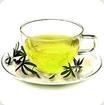
Anticancer effects and molecular mechanisms of epigallocatechin-3-gallate
"Epigallocatechin-3-gallate (EGCG) is a type of catechin found in green tea. EGCG exhibits a variety of activities, including anti-inflammatory, antidiabetes, antiobesity, and antitumor. In this review, we focus on the antitumor effects of EGCG. EGCG inhibits carcinogen activity, tumorigenesis, proliferation, and angiogenesis, and induces cell death."
"Epigallocatechin-3-gallate (EGCG) is a type of catechin found in green tea. EGCG exhibits a variety of activities, including anti-inflammatory, antidiabetes, antiobesity, and antitumor. In this review, we focus on the antitumor effects of EGCG. EGCG inhibits carcinogen activity, tumorigenesis, proliferation, and angiogenesis, and induces cell death."
Chemotherapy induced Oral Mucositis + Coffee & Honey
"Coffee plus Honey" versus "topical steroid" in the treatment of Chemotherapy-induced Oral mucositis: a randomised controlled trial
"This study showed that all three treatment regimens reduce the severity of lesions. The best reduction in severity was achieved in HC group. H group and S group took the second and third places. In other words, honey plus coffee regimen was the most effective modality for the treatment of oral mucositis.
Conclusion: Oral mucositis can be successfully treated by a combination of honey and coffee as an alternative medicine in a short time. Further investigations are warranted in this field"
"This study showed that all three treatment regimens reduce the severity of lesions. The best reduction in severity was achieved in HC group. H group and S group took the second and third places. In other words, honey plus coffee regimen was the most effective modality for the treatment of oral mucositis.
Conclusion: Oral mucositis can be successfully treated by a combination of honey and coffee as an alternative medicine in a short time. Further investigations are warranted in this field"
Colon cancer + Brewers' Rice
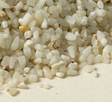
Brewers' rice induces apoptosis in azoxymethane-induced colon carcinogenesis in rats via suppression of cell proliferation and the Wnt signaling pathway
"Overall analyses revealed that brewers' rice reduced colon tumor incidence and multiplicity. The results from immunohistochemistry analysis also showed that brewers' rice decreased the expression of beta-catenin, COX-2, and Ki-67 in a dose-dependent manner. Furthermore, TUNEL analysis demonstrated that administration of brewers' rice in AOM-induced rat colorectal cancer resulted in a dose-dependent increase in cell apoptosis.
"Overall analyses revealed that brewers' rice reduced colon tumor incidence and multiplicity. The results from immunohistochemistry analysis also showed that brewers' rice decreased the expression of beta-catenin, COX-2, and Ki-67 in a dose-dependent manner. Furthermore, TUNEL analysis demonstrated that administration of brewers' rice in AOM-induced rat colorectal cancer resulted in a dose-dependent increase in cell apoptosis.
Radiation Side Effects + Herbal Preparation
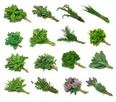
A multi-component herbal preparation, STW 5, shows anti-apoptotic effects in radiation induced intestinal mucositis in rats
"The findings provide experimental evidence for the potential beneficial use of STW5 in protecting against the development of radiation-induced intestinal mucositis and associated changes in tissue biomarkers."
**STW 5 (Iberogast®, Steigerwald Arzneimittelwerk GmbH, Darmstadt, Germany) an herbal multi-component preparation, containing standardized extracts of bitter candytuft (Iberis amara), lemon balm (Melissa officinalis), chamomile (Matricaria recutita), caraway fruit (Carum carvi), peppermint leaf (Mentha piperita), angelica root (Angelica archangelica), milk thistle (Silybum marianum), celandine herb (Chelidonium majus), and liquorice root (Glycyrrhiza glabra)
"The findings provide experimental evidence for the potential beneficial use of STW5 in protecting against the development of radiation-induced intestinal mucositis and associated changes in tissue biomarkers."
**STW 5 (Iberogast®, Steigerwald Arzneimittelwerk GmbH, Darmstadt, Germany) an herbal multi-component preparation, containing standardized extracts of bitter candytuft (Iberis amara), lemon balm (Melissa officinalis), chamomile (Matricaria recutita), caraway fruit (Carum carvi), peppermint leaf (Mentha piperita), angelica root (Angelica archangelica), milk thistle (Silybum marianum), celandine herb (Chelidonium majus), and liquorice root (Glycyrrhiza glabra)
Ehrlich Ascites Tumors + Garlic + Tomato
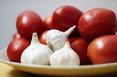
Long-Term Treatment with Aqueous Garlic and/or Tomato Suspensions Decreases Ehrlich Ascites Tumors
"We evaluated the preventive and therapeutic effects of aqueous suspensions of garlic, tomato, and garlic + tomato in the development of experimental Ehrlich tumors in mice. ....The volume, number, and characteristics of the tumor cells and AgNOR counts were determined to compare the different treatments. Aqueous 6% suspensions of garlic, tomato, and garlic + tomato given over the long term significantly reduced tumor growth but when given over the short term, they did not alter tumor growth.
"We evaluated the preventive and therapeutic effects of aqueous suspensions of garlic, tomato, and garlic + tomato in the development of experimental Ehrlich tumors in mice. ....The volume, number, and characteristics of the tumor cells and AgNOR counts were determined to compare the different treatments. Aqueous 6% suspensions of garlic, tomato, and garlic + tomato given over the long term significantly reduced tumor growth but when given over the short term, they did not alter tumor growth.
Pancreatic cancer + Chinese Herbal Medicine
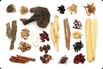
Chinese Herbal Medicine Suppresses Invasion-Promoting Capacity of Cancer-Associated Fibroblasts in Pancreatic Cancer
"Taken together, these results suggested that suppressing the tumor-promoting capacity of CAFs through Chinese herbal medicine attenuates pancreatic cancer cell invasion."
"Taken together, these results suggested that suppressing the tumor-promoting capacity of CAFs through Chinese herbal medicine attenuates pancreatic cancer cell invasion."
Lung cancer + Andrographis paniculata
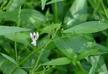
The HLJ1-targeting drug screening identified Chinese herb andrographolide that can suppress tumour growth and invasion in non-small-cell lung cancer
"In conclusion, the HLJ1-targeting drug-screening platform is useful for screening of novel anticancer compounds. Using this platform, we identified andrographolide is a promising new anticancer agent that could suppress tumour growth and invasion in NSCLC"
"In conclusion, the HLJ1-targeting drug-screening platform is useful for screening of novel anticancer compounds. Using this platform, we identified andrographolide is a promising new anticancer agent that could suppress tumour growth and invasion in NSCLC"
Cancer + Whole Ginger
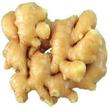
Enterohepatic recirculation of bioactive ginger phytochemicals is associated with enhanced tumor growth-inhibitory activity of ginger extract
"In conclusion, our study emphasizes the existence of a complex collaborative interplay among GE phytochemicals to confer maxi-mum therapeutic benefits due to its favorable absorption kinetics and bioavailability. Our observations of possible EHR of gingerols, when delivered in their natural matrix, are compelling and provide impetus to investigate and design futuristic combinations/dietary supplements for prostate cancer management"
"In conclusion, our study emphasizes the existence of a complex collaborative interplay among GE phytochemicals to confer maxi-mum therapeutic benefits due to its favorable absorption kinetics and bioavailability. Our observations of possible EHR of gingerols, when delivered in their natural matrix, are compelling and provide impetus to investigate and design futuristic combinations/dietary supplements for prostate cancer management"
Chemoprevention + Breast cancer + Ginseng
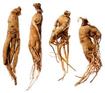
Chemopreventive Effects of Heat-processed Panax quinquefolius Root on Human Breast Cancer Cells
"Conclusion: Heat-processing of American ginseng root significantly increases antiproliferative activity and influences the cell cycle profile."
"Conclusion: Heat-processing of American ginseng root significantly increases antiproliferative activity and influences the cell cycle profile."
Glioma Cell Invasion + Resveratrol
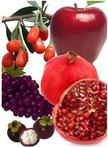
Resveratrol Reduces TNF-α-induced U373MG Human Glioma Cell Invasion through Regulating NF-κB Activation and uPA/uPAR Expression
" Conclusion: These findings suggest that resveratrol could prevent glioma cell invasion via inhibiting proteolysis of extracellular matrix."
" Conclusion: These findings suggest that resveratrol could prevent glioma cell invasion via inhibiting proteolysis of extracellular matrix."
Breast cancer Prevention + Vitamin D
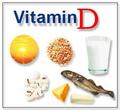
Serum 25-Hydroxyvitamin D and Prevention of Breast Cancer: Pooled Analysis
" This study supports the hypothesis that higher serum 25(OH)D levels reduce the risk of breast cancer. According to the review of observational studies, a serum 25(OH)D level of 47 ng/ml was associated with a 50% lower risk of breast cancer."
" This study supports the hypothesis that higher serum 25(OH)D levels reduce the risk of breast cancer. According to the review of observational studies, a serum 25(OH)D level of 47 ng/ml was associated with a 50% lower risk of breast cancer."
Gastric cancer + Metastasis + Chinese Herbal Medicine
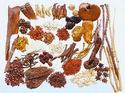
Survival Benefit of Traditional Chinese Herbal Medicine (A Herbal Formula for Invigorating Spleen) in Gastric Cancer Patients with Peritoneal Metastasis
"Conclusion. The results suggest that traditional Chinese herbal medicine could improve the prognosis of the gastric cancer patients with peritoneal metastasis."
"Conclusion. The results suggest that traditional Chinese herbal medicine could improve the prognosis of the gastric cancer patients with peritoneal metastasis."
Breast cancer + Quality of Life + Vitality + Chlorella
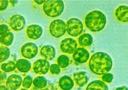
The Influence of Chlorella and Its Hot Water Extract Supplementation on Quality of Life in Patients with Breast Cancer
"The findings suggested the beneficial effects of Chlorella on breast cancer-related QOL and of Chlorella extract on vitality status in breast cancer patients."
"The findings suggested the beneficial effects of Chlorella on breast cancer-related QOL and of Chlorella extract on vitality status in breast cancer patients."
Breast cancer + Thymus caramanicus + Anticcancer Drug Vincristine
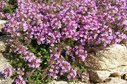
Proapoptotic and Antiproliferative Effects of Thymus caramanicus on Human Breast Cancer Cell Line (MCF-7) and Its Interaction with Anticancer Drug Vincristine
" In conclusion, thymus extract has a potential proapoptotic/antiproliferative property against human breast cancer cells and its combination with chemotherapeutic agent vincristine may induce cell death effectively and be a potent modality to treat this type of cancer."
" In conclusion, thymus extract has a potential proapoptotic/antiproliferative property against human breast cancer cells and its combination with chemotherapeutic agent vincristine may induce cell death effectively and be a potent modality to treat this type of cancer."
Pancreatic cancer + Taxus cuspidate

Antitumor Effect of Water Decoctions of Taxus Cuspidate on Pancreatic Cancer
"......According to our results, the water decoction of Taxus cuspidate attenuates the inflammatory activation by downregulating the two important factors, but without affecting the stimulating inflammatory cytokines. In conclusion, traditional Chinese medicine could be used alone, or as an adjuvant in combination with chemotherapeutic drugs for cancer treatment, including Taxus cuspidate. There are many difficulties in studying the molecular mechanisms of water decoction of TCM which are totally different from the extract agent. Though the underlying antitumor mechanisms of water decoction from TCM are still unclear, future studies in vitro will be helpful to uncover it."
"......According to our results, the water decoction of Taxus cuspidate attenuates the inflammatory activation by downregulating the two important factors, but without affecting the stimulating inflammatory cytokines. In conclusion, traditional Chinese medicine could be used alone, or as an adjuvant in combination with chemotherapeutic drugs for cancer treatment, including Taxus cuspidate. There are many difficulties in studying the molecular mechanisms of water decoction of TCM which are totally different from the extract agent. Though the underlying antitumor mechanisms of water decoction from TCM are still unclear, future studies in vitro will be helpful to uncover it."
Breast cancer + Melatonin
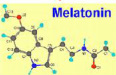
Effect of Melatonin on Tumor Growth and Angiogenesis in Xenograft Model of Breast Cancer
"In conclusion, melatonin treatment showed effectiveness in reducing tumor growth and cell proliferation, as well as in the inhibition of angiogenesis.
"In conclusion, melatonin treatment showed effectiveness in reducing tumor growth and cell proliferation, as well as in the inhibition of angiogenesis.
Lung cancer + Garcinia hanburyi
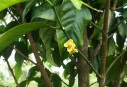
Gambogic acid synergistically potentiates cisplatin-induced apoptosis in non-small-cell lung cancer through suppressing NF-κB and MAPK/HO-1 signalling
"Gambogic acid sensitises lung cancer cells to CDDP in vitro and in vivo in NSCLC through inactivation of NF-κB and MAPK/HO-1 signalling pathways, providing a rationale for the combined use of CDDP and GA in lung cancer chemotherapy."
"Gambogic acid sensitises lung cancer cells to CDDP in vitro and in vivo in NSCLC through inactivation of NF-κB and MAPK/HO-1 signalling pathways, providing a rationale for the combined use of CDDP and GA in lung cancer chemotherapy."
Metastasis + Selenium
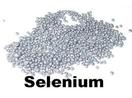
Is Selenium a Potential Treatment for Cancer Metastasis?
"In the cancers of breast, prostate, colorectal, fibrosarcoma, melanoma, liver, lung, oral squamous cell carcinoma, and brain glioma, there is either clinical evidence linking selenoproteins, such as thioredoxin reductase-1 to lymph node metastasis; in vitro studies indicating that Se compounds and selenoproteins inhibited cell motility, migration, and invasion, and reduced angiogenic factors in some of these cancer cells; or animal studies showing that Se supplementation resulted in reduced microvessel density and metastasis. Together, these data support the notion that Se may be an anti-metastastatic element in addition to being a cancer preventative agent."
"In the cancers of breast, prostate, colorectal, fibrosarcoma, melanoma, liver, lung, oral squamous cell carcinoma, and brain glioma, there is either clinical evidence linking selenoproteins, such as thioredoxin reductase-1 to lymph node metastasis; in vitro studies indicating that Se compounds and selenoproteins inhibited cell motility, migration, and invasion, and reduced angiogenic factors in some of these cancer cells; or animal studies showing that Se supplementation resulted in reduced microvessel density and metastasis. Together, these data support the notion that Se may be an anti-metastastatic element in addition to being a cancer preventative agent."
Cervical cancer + Toona Sinensis and Moschus
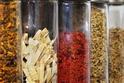
Toona Sinensis and Moschus Decoction Induced Cell Cycle Arrest in Human Cervical Carcinoma HeLa Cells
"This study is the first to report the anticancer activity of decoction of Toona sinensis and Moschus in combination. Furthermore, we have shown that the Toona sinensis and Moschus decoction exhibits its anticancer effects by inducing cell cycle arrest in S-phase via mRNA regulation of cell cycle related proteins in HeLa cells. Our data provide strong evidence that the Toona sinensis and Moschus decoction could be potentially utilized for the treatment of some cancers."
"This study is the first to report the anticancer activity of decoction of Toona sinensis and Moschus in combination. Furthermore, we have shown that the Toona sinensis and Moschus decoction exhibits its anticancer effects by inducing cell cycle arrest in S-phase via mRNA regulation of cell cycle related proteins in HeLa cells. Our data provide strong evidence that the Toona sinensis and Moschus decoction could be potentially utilized for the treatment of some cancers."
Brain Tumours + Angelica sinensis
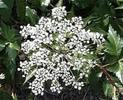
The Methanol Extract of Angelica sinensis Induces Cell Apoptosis and Suppresses Tumor Growth in Human Malignant Brain Tumors
"The in vitro and in vivo anticancer effects of AS-M indicate that this extract warrants further investigation and potential development as a new antibrain tumor agent, providing new hope for the chemotherapy of malignant brain cancer. "
"The in vitro and in vivo anticancer effects of AS-M indicate that this extract warrants further investigation and potential development as a new antibrain tumor agent, providing new hope for the chemotherapy of malignant brain cancer. "
Cervical cancer + HPV + Berberine
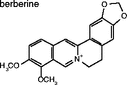
Berberine modulates AP-1 activity to suppress HPV transcription and downstream signaling to induce growth arrest and apoptosis in cervical cancer cells
"These results indicate that berberine can effectively target both the host and viral factors responsible for development of cervical cancer through inhibition of AP-1 and blocking viral oncoproteins E6 and E7 expression. Inhibition of AP-1 activity by berberine may be one of the mechanisms responsible for the anti-HPV effect of berberine. We propose that berberine is a potentially promising compound for the treatment of cervical cancer infected with HPV. "
"These results indicate that berberine can effectively target both the host and viral factors responsible for development of cervical cancer through inhibition of AP-1 and blocking viral oncoproteins E6 and E7 expression. Inhibition of AP-1 activity by berberine may be one of the mechanisms responsible for the anti-HPV effect of berberine. We propose that berberine is a potentially promising compound for the treatment of cervical cancer infected with HPV. "
Multidrug Resistant Colon cancer Cells + Omega 3 PUFA's
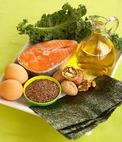
Omega 3 fatty acids chemosensitize multidrug resistant colon cancer cells by down-regulating cholesterol synthesis and altering detergent resistant membranes composition
"Our work describes a new biochemical effect of omega 3 PUFAs, which can be useful to overcome chemoresistance in MDR colon cancer cells."
"Our work describes a new biochemical effect of omega 3 PUFAs, which can be useful to overcome chemoresistance in MDR colon cancer cells."
Colon cancer + Black Raspberries
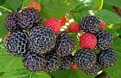
Black Raspberry-Derived Anthocyanins Demethylate Tumor Suppressor Genes Through the Inhibition of DNMT1 and DNMT3B in Colon Cancer Cells.
In conclusion, we found that anthocyanins derived from BRBs are taken up into the cytoplasm and nucleus of cultured human colon cancer cells. They demethylate tumor suppressor genes through inhibition of DNMT1 and DNMT3B. Based on the fluorescence staining results, ACs may inhibit DNMTs through direct as well as indirect target(s). Future studies aimed on identifying these targets are warranted.
In conclusion, we found that anthocyanins derived from BRBs are taken up into the cytoplasm and nucleus of cultured human colon cancer cells. They demethylate tumor suppressor genes through inhibition of DNMT1 and DNMT3B. Based on the fluorescence staining results, ACs may inhibit DNMTs through direct as well as indirect target(s). Future studies aimed on identifying these targets are warranted.
Cancer Prevention + Diet
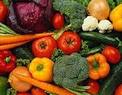
Epigenetics: A New Link Between Cancer and Nutrition
"The complex interactions among environmental, genetic, and epigenetic factors during cancer development have not yet been fully identified. Elucidating the epigenetic mechanisms that underlie these modifications may serve as a tool to predict the individuals’ genetic susceptibility to cancer, provide dietary recommendations, or provide therapeutic applications of natural compounds against cancer.
Taken together, an increasing number of studies support a role of diet in cancer prevention and treatment."
"The complex interactions among environmental, genetic, and epigenetic factors during cancer development have not yet been fully identified. Elucidating the epigenetic mechanisms that underlie these modifications may serve as a tool to predict the individuals’ genetic susceptibility to cancer, provide dietary recommendations, or provide therapeutic applications of natural compounds against cancer.
Taken together, an increasing number of studies support a role of diet in cancer prevention and treatment."
Cancer Prevention + Orange Juice
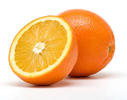
Orange Juice and cancer Prevention
"Studies using rodent cancer models showed that OJ is cancer chemopreventive, influencing either the induction stage or the promotion stage. The composition and, therefore, the chemopreventive action of OJ might be influenced by different cultivars, climates, extraction methods, packaging, storage temperatures, and shelf lives, among other factors. Epidemiological studies and randomized controlled intervention studies in humans evaluating the chemopreventive effect of OJ, taking into consideration variability in OJ composition, are needed"
"Studies using rodent cancer models showed that OJ is cancer chemopreventive, influencing either the induction stage or the promotion stage. The composition and, therefore, the chemopreventive action of OJ might be influenced by different cultivars, climates, extraction methods, packaging, storage temperatures, and shelf lives, among other factors. Epidemiological studies and randomized controlled intervention studies in humans evaluating the chemopreventive effect of OJ, taking into consideration variability in OJ composition, are needed"
Cancer + Immune System + Homeopathy
Calcarea carbonica induces apoptosis in cancer cells in p53-dependent mannervia an immuno-modulatory circuit
"In tumor-bearing mice, there was profound depletion of CD4+ and CD8+ cells in peripheral blood, dominance of type-2 T helper cells and inhibition of T cell proliferation. Calcarea carbonica in turn prevented such loss of effector T cell repertoire, reversed type-2 cytokine bias and attenuated tumor-induced inhibition of T cell proliferation in tumor-bearing host. To confirm the role of immune system in calcarea carbonica-induced cancer cell death, a battery of cancer cells were co-cultured with calcarea carbonica-primed T cells. Our results indicated a “two-step” mechanism of the induction of apoptosis in tumor cells by calcarea carbonica i.e., (1) activation of the immune system of the host; and (2) induction of cancer cell apoptosis via immuno-modulatory circuit in p53-dependent manner by down-regulating Bcl-2:Bax ratio. Bax up-regulation resulted in mitochondrial transmembrane potential loss and cytochrome c release followed by activation of caspase cascade. Knocking out of p53 by RNA-interference inhibited calcarea carbonica-induced apoptosis thereby confirming the contribution of p53.
These observations delineate the significance of immuno-modulatory circuit during calcarea carbonica-mediated tumor apoptosis. The molecular mechanism identified may serve as a platform for involving calcarea carbonica into immunotherapeutic strategies for effective tumor regression."
"In tumor-bearing mice, there was profound depletion of CD4+ and CD8+ cells in peripheral blood, dominance of type-2 T helper cells and inhibition of T cell proliferation. Calcarea carbonica in turn prevented such loss of effector T cell repertoire, reversed type-2 cytokine bias and attenuated tumor-induced inhibition of T cell proliferation in tumor-bearing host. To confirm the role of immune system in calcarea carbonica-induced cancer cell death, a battery of cancer cells were co-cultured with calcarea carbonica-primed T cells. Our results indicated a “two-step” mechanism of the induction of apoptosis in tumor cells by calcarea carbonica i.e., (1) activation of the immune system of the host; and (2) induction of cancer cell apoptosis via immuno-modulatory circuit in p53-dependent manner by down-regulating Bcl-2:Bax ratio. Bax up-regulation resulted in mitochondrial transmembrane potential loss and cytochrome c release followed by activation of caspase cascade. Knocking out of p53 by RNA-interference inhibited calcarea carbonica-induced apoptosis thereby confirming the contribution of p53.
These observations delineate the significance of immuno-modulatory circuit during calcarea carbonica-mediated tumor apoptosis. The molecular mechanism identified may serve as a platform for involving calcarea carbonica into immunotherapeutic strategies for effective tumor regression."
Breast cancer + Olive OIl
Apoptotic and antiproliferative activity of olive oil hydroxytyrosol on breast cancer cells
"The key findings of the present study showed that hydroxytyrosol, a pharmacologically safe natural product of olive oil, has potent anti-breast cancer properties. Indeed, it exhibits specific cytotoxicity against SK-BR-3 and T-47D breast cancer cells. Furthermore, hydroxytyrosol triggered apoptosis that showed a dose-dependent increase in both cell lines. Moreover, hydroxytyrosol inhibited cell proliferation by delaying the cell cycle at G2/M phase. Therefore, hydroxytyrosol warrants further investigations to prove its utility in preventing/treating breast cancer."
"The key findings of the present study showed that hydroxytyrosol, a pharmacologically safe natural product of olive oil, has potent anti-breast cancer properties. Indeed, it exhibits specific cytotoxicity against SK-BR-3 and T-47D breast cancer cells. Furthermore, hydroxytyrosol triggered apoptosis that showed a dose-dependent increase in both cell lines. Moreover, hydroxytyrosol inhibited cell proliferation by delaying the cell cycle at G2/M phase. Therefore, hydroxytyrosol warrants further investigations to prove its utility in preventing/treating breast cancer."
Lung cancer + Elephantopus scaber
Antineoplastic effects of deoxyelephantopin, a sesquiterpene lactone from Elephantopus scaber, on lung adenocarcinoma (A549) cells
"Deoxyelephantopin exhibited cytotoxicity to A549 cells (IC50 = 12.287 μg/mL), however, there was no toxicity towards normal human lymphocytes. Deoxyelephantopin suppressed the colony-forming ability of A549 cells in a dose-dependent manner. Deoxyelephantopin inhibited A549 cell growth by cell cycle arrest at G2/M phase and induced apoptosis through both extrinsic and intrinsic pathways. These results suggest that deoxyelephantopin has great potential as a new chemotherapeutic agent to be developed further for the treatment of lung cancer"
"Deoxyelephantopin exhibited cytotoxicity to A549 cells (IC50 = 12.287 μg/mL), however, there was no toxicity towards normal human lymphocytes. Deoxyelephantopin suppressed the colony-forming ability of A549 cells in a dose-dependent manner. Deoxyelephantopin inhibited A549 cell growth by cell cycle arrest at G2/M phase and induced apoptosis through both extrinsic and intrinsic pathways. These results suggest that deoxyelephantopin has great potential as a new chemotherapeutic agent to be developed further for the treatment of lung cancer"
Anticancer + Scuttellaria baicalensi
Anticancer Activity of Scutellaria baicalensis and Its Potential Mechanism
"Scutellaria baicalensis strongly inhibits cell growth in all cancer cell lines tested. However, prostate and breast cancer cells (PC-3, LNCaP, and MCF-7) are slightly more sensitive than other type of cancer cells. It also inhibits PGE2 production, indicating that suppression of tumor cell growth may be due to its ability to inhibit COX-2 activity. This study supports the notion of using Scutellaria baicalensisas a novel anticancer agent to treat various cancers"
"Scutellaria baicalensis strongly inhibits cell growth in all cancer cell lines tested. However, prostate and breast cancer cells (PC-3, LNCaP, and MCF-7) are slightly more sensitive than other type of cancer cells. It also inhibits PGE2 production, indicating that suppression of tumor cell growth may be due to its ability to inhibit COX-2 activity. This study supports the notion of using Scutellaria baicalensisas a novel anticancer agent to treat various cancers"
Anti-angiogenic + Scutellaria barbata
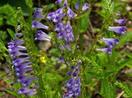
Anti-angiogenic effect of the total flavonoids in Scutellaria barbata D. Don
"Total Flavones in Scutellaria barbata could suppress the process of angiogenesis in vitro and in vivo. TF-SB potentially suppresses angiogenesis in HUVECs by regulating VEGF. These findings suggested that TF-SB may serve as a potent anti-angiogenic agent."
"Total Flavones in Scutellaria barbata could suppress the process of angiogenesis in vitro and in vivo. TF-SB potentially suppresses angiogenesis in HUVECs by regulating VEGF. These findings suggested that TF-SB may serve as a potent anti-angiogenic agent."
Colon cancer + Asparagus falcatus
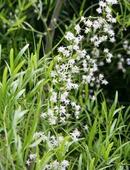
Eupalitin from Asparagus falcatus (Linn.) has anti-cancer activity and induces activation of caspases 3/7 in human colorectal tumor cells
"In the present study, we report for the first time that eupalitin has significant ability to inhibit the proliferation of human colorectal cancer cells by activating the caspase 3/7 cascade."
"In the present study, we report for the first time that eupalitin has significant ability to inhibit the proliferation of human colorectal cancer cells by activating the caspase 3/7 cascade."
Colon cancer + Selenium + Green Tea
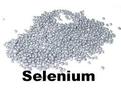
Combination of Selenium and Green Tea Improves the Efficacy of Chemoprevention in a Rat Colorectal Cancer Model by Modulating Genetic and Epigenetic Biomarkers
"These data show, for the first time, that combination of selenium and green tea is more effective in suppressing colorectal oncogenesis than either agent alone. The preventive effect is associated with regulation of genetic and epigenetic biomarkers implicated in colonic carcinogenesis."
"These data show, for the first time, that combination of selenium and green tea is more effective in suppressing colorectal oncogenesis than either agent alone. The preventive effect is associated with regulation of genetic and epigenetic biomarkers implicated in colonic carcinogenesis."
Colon cancer + Vitamin D
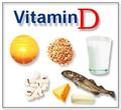
Model Selection Approach Suggests Causal Association between 25-Hydroxyvitamin D and Colorectal Cancer
"Model comparison showed preference for the causal association between low 25-OHD and CRC over the reverse causal hypothesis."
"Model comparison showed preference for the causal association between low 25-OHD and CRC over the reverse causal hypothesis."
Cervical cancer + Herbs + Spices
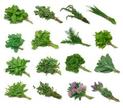
Anticancer Activity of Certain Herbs and Spices on the Cervical Epithelial Carcinoma (HeLa) Cell Line
"The rosemary species were found to have the highest antioxidant content which could be attributed to the high content of polyphenolic compounds. Therefore the rosemary species possess potential chemopreventive properties. After performing the XTT cytotoxicity assay it was hypothesized that Laurus nobilis, with an SI of 3.61, and Oregano vulgare, with an SI of 1.30, were the best candidates for further investigation. Both these extracts were further investigated to determine their mechanism of cell death by observing them under light microscopy and confocal microscopy. From the microscopy images it was observed that in both cell lines morphological changes did appear after exposure to various concentrations of the acetone extracts. Although these microscopy images were in agreement with one another that apoptosis was the possible mechanism of cell death, as seen by the characteristic features of hypercondensed chromatin (mostly in HeLa cells) and cellular debris (seen only in Vero cells), they are not sufficient enough to definitely confirm that apoptosis is taking place and therefore more sensitive assays such as flow cytometry need to Be used to confirm that apoptosis is taking place. However Laurus nobilis did show promising results as an anticancer agent due to its relatively high toxicity on the HeLa cell line and at this same concentration a low toxicity on the Vero cell line."
"The rosemary species were found to have the highest antioxidant content which could be attributed to the high content of polyphenolic compounds. Therefore the rosemary species possess potential chemopreventive properties. After performing the XTT cytotoxicity assay it was hypothesized that Laurus nobilis, with an SI of 3.61, and Oregano vulgare, with an SI of 1.30, were the best candidates for further investigation. Both these extracts were further investigated to determine their mechanism of cell death by observing them under light microscopy and confocal microscopy. From the microscopy images it was observed that in both cell lines morphological changes did appear after exposure to various concentrations of the acetone extracts. Although these microscopy images were in agreement with one another that apoptosis was the possible mechanism of cell death, as seen by the characteristic features of hypercondensed chromatin (mostly in HeLa cells) and cellular debris (seen only in Vero cells), they are not sufficient enough to definitely confirm that apoptosis is taking place and therefore more sensitive assays such as flow cytometry need to Be used to confirm that apoptosis is taking place. However Laurus nobilis did show promising results as an anticancer agent due to its relatively high toxicity on the HeLa cell line and at this same concentration a low toxicity on the Vero cell line."
Prostate cancer Prevention + Tomatoes
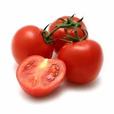
A Dietary Tomato Supplement Prevents Prostate Cancer in TRAMP Mice
"Daily consumption of a tomato-rich diet was highly effective in preventing prostate cancer in TRAMP mice .In addition to its direct effects on tumor cells, tomato, a functional food containing a mixture of pleiotropic com-pounds (47), can be regarded as a biological response modifier whose establishment of an anti-inflammatory and antiangiogenic environment prevents tumor onset and progression"
Breast cancer + Prevention + Walnuts
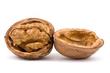
Dietary Walnut Suppressed Mammary Gland Tumorigenesis in the C(3)1 TAg Mouse
"These data indicate that exposure to a small amount of walnut in the diet of this transgenic mouse slowed the development and reduced the multiplicity of mammary gland cancers but does not define the mechanism of action for the walnut nor an active ingredient of the walnut. Walnut in the diet was associated with alterations in cell signaling pathways involved in proliferation, cell differentiation, and apoptosis. The signaling pathways altered in mammary glands of these mice have been identified as important in the development of human breast cancer, thus this study should be relevant to humans. The fatty acid composition of the mammary glands was altered but comparison to another study with the same amount of omega 3 fatty acids in the diet indicates that increased omega 3 fatty acids in the mammary gland does not explain the altered tumor incidence. However, alterations in dietary gamma tocopherol were inversely associated with tumorigenesis.More work will need to be done to determine the components of walnut and the mechanisms associated with tumor suppression. However, humans eat the whole nut, not specific components. It seems likely that incorporation of walnuts as part of a healthy diet could reduce the risk for breast cancer in humans."
"These data indicate that exposure to a small amount of walnut in the diet of this transgenic mouse slowed the development and reduced the multiplicity of mammary gland cancers but does not define the mechanism of action for the walnut nor an active ingredient of the walnut. Walnut in the diet was associated with alterations in cell signaling pathways involved in proliferation, cell differentiation, and apoptosis. The signaling pathways altered in mammary glands of these mice have been identified as important in the development of human breast cancer, thus this study should be relevant to humans. The fatty acid composition of the mammary glands was altered but comparison to another study with the same amount of omega 3 fatty acids in the diet indicates that increased omega 3 fatty acids in the mammary gland does not explain the altered tumor incidence. However, alterations in dietary gamma tocopherol were inversely associated with tumorigenesis.More work will need to be done to determine the components of walnut and the mechanisms associated with tumor suppression. However, humans eat the whole nut, not specific components. It seems likely that incorporation of walnuts as part of a healthy diet could reduce the risk for breast cancer in humans."
Breast cancer + Hormone Therapy + Spiritual Healing

Effects of Spiritual Healing for Women Undergoing Long-Term Hormone Therapy for Breast Cancer: A Qualitative Investigation
"The positive effects of Spiritual Healing included alleviation of the physical side-effects of their treatment, increased energy levels, enhanced well-being, emotional relaxation, and re-engagement with precancer activities.
Conclusions: These qualitative findings indicate that Spiritual Healing has the potential to support patients with breast cancer in the maintenance of their long-term orthodox treatments. Further research is needed to test Spiritual Healing as a cost-effective complementary therapy, for those undergoing long-term cancer treatments"
"The positive effects of Spiritual Healing included alleviation of the physical side-effects of their treatment, increased energy levels, enhanced well-being, emotional relaxation, and re-engagement with precancer activities.
Conclusions: These qualitative findings indicate that Spiritual Healing has the potential to support patients with breast cancer in the maintenance of their long-term orthodox treatments. Further research is needed to test Spiritual Healing as a cost-effective complementary therapy, for those undergoing long-term cancer treatments"
Pancreatic cancer + Curcumin
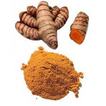
Notch-1 down-regulation by curcumin is associated with the inhibition of cell growth and the induction of apoptosis in pancreatic cancer cells
"Curcumin inhibited cell growth and induced apoptosis in pancreatic cancer cells. Notch-1, Hes-1, and Bcl-XL expression levels concomitantly were down-regulated by curcumin treatment. These results correlated with the inactivation of NF-kappaB activity and increased apoptosis induced by curcumin. The down-regulation of Notch-1 by small-interfering RNA prior to curcumin treatment resulted in enhanced cell growth inhibition and apoptosis."
"Curcumin inhibited cell growth and induced apoptosis in pancreatic cancer cells. Notch-1, Hes-1, and Bcl-XL expression levels concomitantly were down-regulated by curcumin treatment. These results correlated with the inactivation of NF-kappaB activity and increased apoptosis induced by curcumin. The down-regulation of Notch-1 by small-interfering RNA prior to curcumin treatment resulted in enhanced cell growth inhibition and apoptosis."
Breast cancer + Broccoli
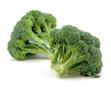
Sulphoraphane, a Dietary Component of Broccoli/Broccoli Sprouts,Inhibits Breast Cancer Stem Cells
"In conclusion, we have demonstrated that sulforaphane was able to target breast CSCs as determined by the mammosphere formation assay, Aldefluor assay, and tumor growth upon reimplantation in secondary mice. Furthermore, our study identified the down-regulation ofWnt/β-catenin self-renewal pathway by sulforaphane as one of the possible mechanisms for its efficacy. These studies support the use of sulforaphane for breast cancer chemoprevention.These findings provide a strong rationale for preclinical and clinical evaluation of sulforaphaneor broccoli/broccoli sprouts for breast cancer therapies."
"In conclusion, we have demonstrated that sulforaphane was able to target breast CSCs as determined by the mammosphere formation assay, Aldefluor assay, and tumor growth upon reimplantation in secondary mice. Furthermore, our study identified the down-regulation ofWnt/β-catenin self-renewal pathway by sulforaphane as one of the possible mechanisms for its efficacy. These studies support the use of sulforaphane for breast cancer chemoprevention.These findings provide a strong rationale for preclinical and clinical evaluation of sulforaphaneor broccoli/broccoli sprouts for breast cancer therapies."
Breast cancer + Ginger
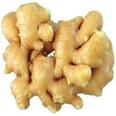
Differential Control of Growth, Apoptotic Activity, and Gene Expression in Human Breast Cancer Cells by Extracts Derived from Medicinal Herbs Zingiber officinale
"Ginger treatment downregulated expression of prosurvival genes, such as NF-κB, Bcl-X, Mcl-1, and Survivin, and cell cycle-regulating proteins, including cyclin D1 and cyclin-dependent kinase-4 (CDK-4). On the other hand, it increased expression of CDK inhibitor, p21. It also inhibited the expression of the two prominent molecular targets of cancer, c-Myc and the human telomerase reverse transcriptase (hTERT). These findings suggested that the ginger may be a promising candidate for the treatment of breast carcinomas."
"Ginger treatment downregulated expression of prosurvival genes, such as NF-κB, Bcl-X, Mcl-1, and Survivin, and cell cycle-regulating proteins, including cyclin D1 and cyclin-dependent kinase-4 (CDK-4). On the other hand, it increased expression of CDK inhibitor, p21. It also inhibited the expression of the two prominent molecular targets of cancer, c-Myc and the human telomerase reverse transcriptase (hTERT). These findings suggested that the ginger may be a promising candidate for the treatment of breast carcinomas."
Poor Prognosis Breast cancer + Caesalpinia spinosa
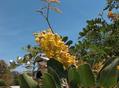
Gallotannin-rich Caesalpinia spinosa fraction decreases the primary tumor and factors associated with poor prognosis in a murine breast cancer model
"The P2Et fraction exerts its activity on the primary tumor, reduces cell migration to distant organs, and decreases IL-6 serum levels, implying tumor microenvironment mechanisms. Conclusions Overall, the P2Et fraction lessens risk factors associated with tumor progression and diminishes primary tumor size, showing good potential for use as an adjuvant in breast cancer ER(+) treatment."
"The P2Et fraction exerts its activity on the primary tumor, reduces cell migration to distant organs, and decreases IL-6 serum levels, implying tumor microenvironment mechanisms. Conclusions Overall, the P2Et fraction lessens risk factors associated with tumor progression and diminishes primary tumor size, showing good potential for use as an adjuvant in breast cancer ER(+) treatment."
cancer Prevention + Green Tea
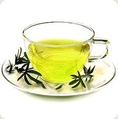
Green Tea and cancer Prevention
"The inhibitory activities of tea and tea catechins against carcinogenesis have been demonstrated in different animal models. Studies in cell lines have also showed that tea catechins can affect a variety of signaling and metabolic pathways. These molecular events could result in cancer cell growth inhibition, apoptosis, and inhibition of invasion, angiogenesis, and metastasis. These activities and the prevention of carcinogenesis have been demonstrated in animal model, but the cancer preventive activity of tea has not been consistently observed in human studies. This may be due to the relatively lower levels of tea consumption by some human populations (than animal studies) and the various confounding factors in epidemiological studies in different populations. The low bioavailability of tea polyphenols, such as EGCG, is also an issue. For agents with low systematic bioavailability, their direct contact with the digestive tract could be important for their cancer preventive activity. This point should be applicable to the activities of EGCG and polyphenols in many other foods or beverages. This information, as well as the biological properties and activities of tea polyphenols reviewed here, may be useful in design of prospective studies and in the selection of the agent, dosage, and biomarkers for intervention trials. The results of such well-designed studies will provide more definitive information on the possible use of tea for the reduction of cancer risk in different populations."
"The inhibitory activities of tea and tea catechins against carcinogenesis have been demonstrated in different animal models. Studies in cell lines have also showed that tea catechins can affect a variety of signaling and metabolic pathways. These molecular events could result in cancer cell growth inhibition, apoptosis, and inhibition of invasion, angiogenesis, and metastasis. These activities and the prevention of carcinogenesis have been demonstrated in animal model, but the cancer preventive activity of tea has not been consistently observed in human studies. This may be due to the relatively lower levels of tea consumption by some human populations (than animal studies) and the various confounding factors in epidemiological studies in different populations. The low bioavailability of tea polyphenols, such as EGCG, is also an issue. For agents with low systematic bioavailability, their direct contact with the digestive tract could be important for their cancer preventive activity. This point should be applicable to the activities of EGCG and polyphenols in many other foods or beverages. This information, as well as the biological properties and activities of tea polyphenols reviewed here, may be useful in design of prospective studies and in the selection of the agent, dosage, and biomarkers for intervention trials. The results of such well-designed studies will provide more definitive information on the possible use of tea for the reduction of cancer risk in different populations."
cancer + Curcumin
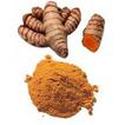
Curcumin, the Golden Spice From Indian Saffron, Is a Chemosensitizer and Radiosensitizer for Tumors and Chemoprotector and Radioprotector for Normal Organs
"Given the shortcomings of current chemotherapy and radiation treatments for cancer management, it is obvious that such treatments in the future must be combined with more effective and safer drugs/compounds. In this regard, given all the encouraging evidence summarized in the previous sections, curcumin seems to be an ideal, safe, and highly effective compound that can be used as an adjunct in such therapeutic strategies. Use of a curcumin-based, anticancer therapeutic strategy would also allow use of lower doses of chemotherapeutic drugs and radiation but still achieve much higher antitumor efficacy and yet lower toxicity and resistance in the management of variety of human cancers. In this context, it may also be important to gain more meticulous insights into identifying cancer stem cells in various solid organ tumors and determine how these differ from normal stem cells and other neoplastic cells within the same tissue. We believe that given the undisputed and encouraging data for curcumin as a safe and effective cancer preventive and newer data as a potential therapeutic agent, combining curcumin with current chemotherapy and/or radiation may also reduce the need for palliative surgery in some instances, as cancers may be stopped before they become invasive and widely metastatic. These effects combined with its ability to prevent depression, fatigue, neuropathic pain, lack of sleep, and lack of appetite, all symptoms that induced by cancer and cancer treatment, makes curcumin an ideal agent for cancer patients."
"Given the shortcomings of current chemotherapy and radiation treatments for cancer management, it is obvious that such treatments in the future must be combined with more effective and safer drugs/compounds. In this regard, given all the encouraging evidence summarized in the previous sections, curcumin seems to be an ideal, safe, and highly effective compound that can be used as an adjunct in such therapeutic strategies. Use of a curcumin-based, anticancer therapeutic strategy would also allow use of lower doses of chemotherapeutic drugs and radiation but still achieve much higher antitumor efficacy and yet lower toxicity and resistance in the management of variety of human cancers. In this context, it may also be important to gain more meticulous insights into identifying cancer stem cells in various solid organ tumors and determine how these differ from normal stem cells and other neoplastic cells within the same tissue. We believe that given the undisputed and encouraging data for curcumin as a safe and effective cancer preventive and newer data as a potential therapeutic agent, combining curcumin with current chemotherapy and/or radiation may also reduce the need for palliative surgery in some instances, as cancers may be stopped before they become invasive and widely metastatic. These effects combined with its ability to prevent depression, fatigue, neuropathic pain, lack of sleep, and lack of appetite, all symptoms that induced by cancer and cancer treatment, makes curcumin an ideal agent for cancer patients."
Rectal cancer + Diet
Lowering the Risk of Rectal Cancer among Habitual Beer Drinkers by Dietary Means
"The regular consumption of foods containing the micronutrients involved with methylation, folate, methionine, vitamins B6 and B12, and the four micronutrients examined with antioxidant properties, selenium, vitamins E, C, and lycopene, all attenuated this risk among beer drinkers. The strongest effects were noted for vitamins E, C and lycopene, and the weakest for methionine and selenium containing foods. Whilst certainly not encouraging excessive beer drinking, the results support the proposition that the regular consumption of foods containing some of the micronutrients involved in one-carbon metabolism, particularly folate, vitamins B6, B12, and some with antioxidant properties, namely, vitamins E, C, lycopene and selenium, micronutrients that are plentiful in many vegetables, fruits, grains, nuts, and fish, may provide a relatively simple and harmless means of counteracting the excess risk of rectal cancer in habitual and persistent beer drinkers."
"The regular consumption of foods containing the micronutrients involved with methylation, folate, methionine, vitamins B6 and B12, and the four micronutrients examined with antioxidant properties, selenium, vitamins E, C, and lycopene, all attenuated this risk among beer drinkers. The strongest effects were noted for vitamins E, C and lycopene, and the weakest for methionine and selenium containing foods. Whilst certainly not encouraging excessive beer drinking, the results support the proposition that the regular consumption of foods containing some of the micronutrients involved in one-carbon metabolism, particularly folate, vitamins B6, B12, and some with antioxidant properties, namely, vitamins E, C, lycopene and selenium, micronutrients that are plentiful in many vegetables, fruits, grains, nuts, and fish, may provide a relatively simple and harmless means of counteracting the excess risk of rectal cancer in habitual and persistent beer drinkers."
Breast cancer + Metastasis + Mangosteen
α-Mangostin extracted from the pericarp of the mangosteen (Garcinia mangostana Linn) reduces tumor growth and lymph node metastasis in an immunocompetent xenograft model of metastatic mammary cancer carrying a p53 mutation
"Since lymph node involvement is the most important prognostic factor in breast cancer patients, the antimetastatic activity of α-mangostin as detected in mammary cancers carrying a p53 mutation in the present study may have specific clinical applications. In addition, α-mangostin may have chemopreventive benefits and/or prove useful as an adjuvant therapy, or as a complementary alternative medicine in the treatment of breast cancer."
"Since lymph node involvement is the most important prognostic factor in breast cancer patients, the antimetastatic activity of α-mangostin as detected in mammary cancers carrying a p53 mutation in the present study may have specific clinical applications. In addition, α-mangostin may have chemopreventive benefits and/or prove useful as an adjuvant therapy, or as a complementary alternative medicine in the treatment of breast cancer."
Angiogenesis + Colon cancer + Bee products
Bee products prevent VEGF-induced angiogenesis in human umbilical vein endothelial cells
Tumor angiogenesis is a very important step in the growth and metastasis of tumor development
"Among the bee products, Chinese red propolis and CAPE in particular showed strong suppressive effects against VEGF-induced angiogenesis. These findings indicate that Chinese red propolis and CAPE may have potential as preventive and therapeutic agents against angiogenesis-related human diseases........
In a previous study, we found that Brazilian green propolis and its constituent caffeoylquinic acid derivatives suppressed VEGF-induced cell proliferation, migration, and in vitro tube formation in HUVECs [23]. In the present study, Chinese red propolis and its chemical constituent, CAPE, suppressed VEGF-induced in vitro tube formation. Caffeic acid is a known suppressor of tumor angiogenesis that acts in human retinal carcinoma cells by blocking STAT3-mediated VEGF expression [24]. These studies indicate that caffeoyl groups included in propolis may be important components responsible for its anti-angiogenic activities.The pharmacological effects of bee products have been reported in many different diseases. In particular, there are many reports about the anti-tumor effects of propolis and CAPE. Our previous studies indicate that baccharin and drupanin, constituents of Brazilian propolis, inhibit tumor growth both in vitro and in vivo [25]. Likewise, CAPE induces growth arrest and apoptosis of colon cancer cells via the beta-catenin/T-cell factor signaling pathway [26]. Tumor angiogenesis is a very important step in the growth and metastasis of tumor development. Combined with these findings in the present study, Chinese propolis and its CAPE constituent suppressed VEGF-induced angiogenesis in HUVECs indicates that the anti-tumor effects of propolis and CAPE may be dependent both on direct inhibition of tumor cell growth and on angiostatic effects on the vessels supplying nutrients to the neoplasm."
Tumor angiogenesis is a very important step in the growth and metastasis of tumor development
"Among the bee products, Chinese red propolis and CAPE in particular showed strong suppressive effects against VEGF-induced angiogenesis. These findings indicate that Chinese red propolis and CAPE may have potential as preventive and therapeutic agents against angiogenesis-related human diseases........
In a previous study, we found that Brazilian green propolis and its constituent caffeoylquinic acid derivatives suppressed VEGF-induced cell proliferation, migration, and in vitro tube formation in HUVECs [23]. In the present study, Chinese red propolis and its chemical constituent, CAPE, suppressed VEGF-induced in vitro tube formation. Caffeic acid is a known suppressor of tumor angiogenesis that acts in human retinal carcinoma cells by blocking STAT3-mediated VEGF expression [24]. These studies indicate that caffeoyl groups included in propolis may be important components responsible for its anti-angiogenic activities.The pharmacological effects of bee products have been reported in many different diseases. In particular, there are many reports about the anti-tumor effects of propolis and CAPE. Our previous studies indicate that baccharin and drupanin, constituents of Brazilian propolis, inhibit tumor growth both in vitro and in vivo [25]. Likewise, CAPE induces growth arrest and apoptosis of colon cancer cells via the beta-catenin/T-cell factor signaling pathway [26]. Tumor angiogenesis is a very important step in the growth and metastasis of tumor development. Combined with these findings in the present study, Chinese propolis and its CAPE constituent suppressed VEGF-induced angiogenesis in HUVECs indicates that the anti-tumor effects of propolis and CAPE may be dependent both on direct inhibition of tumor cell growth and on angiostatic effects on the vessels supplying nutrients to the neoplasm."
Lung tumors + Silybum marianum
Growth Inhibition and Regression of Lung Tumors by Silibinin: Modulation of Angiogenesis by Macrophage-Associated Cytokines and Nuclear Factor-κB and Signal Transducers and Activators of Transcription 3
Silibinin is a flavonolignan, a major component present in milk thistle (Silybum marianum) seeds.
"In summary, oral silibinin showed antitumor effects in urethane-induced and established lung adenocarcinomas, most likely by decreasing microvessel size and inhibiting newly formed microvessel growth in tumors. The decrease in TAM infiltration into lungs as well as the lower levels of angiogenic cytokines, and greater TIMP-1 and TIMP-2 concentrations, along with the inhibition of HIF-1α, NF-κB, and STAT3 activation, could account for the antiangiogenic effects of silibinin. Additionally, elevating levels of Ang-2 and Tie-2 without changing VEGF amounts could have led to microvessel regression in tumors by silibinin. Overall, our findings here, together with our earlier studies (7), suggest that silibinin is a promising agent for intervention in human lung cancer oncogenesis."
Silibinin is a flavonolignan, a major component present in milk thistle (Silybum marianum) seeds.
"In summary, oral silibinin showed antitumor effects in urethane-induced and established lung adenocarcinomas, most likely by decreasing microvessel size and inhibiting newly formed microvessel growth in tumors. The decrease in TAM infiltration into lungs as well as the lower levels of angiogenic cytokines, and greater TIMP-1 and TIMP-2 concentrations, along with the inhibition of HIF-1α, NF-κB, and STAT3 activation, could account for the antiangiogenic effects of silibinin. Additionally, elevating levels of Ang-2 and Tie-2 without changing VEGF amounts could have led to microvessel regression in tumors by silibinin. Overall, our findings here, together with our earlier studies (7), suggest that silibinin is a promising agent for intervention in human lung cancer oncogenesis."
Esophageal tumors + Black Raspberries
Anthocyanins in Black Raspberries Prevent Esophageal Tumors in Rats
"The anthocyanin treatments (diet groups a–c) were about equally effective in reducing NMBA tumorigenesis in the esophagus, indicating that the anthocyanins in BRB have chemopreventive potential. The organic-insoluble (residue) fraction (d) was also effective, suggesting that components other than berry anthocyanins may be chemopreventive. The hexane and sugar diets were inactive. Diet groups a, b, and d all inhibited cell proliferation, inflammation, and angiogenesis and induced apoptosis in both preneoplastic and papillomatous esophageal tissues, suggesting similar mechanisms of action by the different berry components."
"The anthocyanin treatments (diet groups a–c) were about equally effective in reducing NMBA tumorigenesis in the esophagus, indicating that the anthocyanins in BRB have chemopreventive potential. The organic-insoluble (residue) fraction (d) was also effective, suggesting that components other than berry anthocyanins may be chemopreventive. The hexane and sugar diets were inactive. Diet groups a, b, and d all inhibited cell proliferation, inflammation, and angiogenesis and induced apoptosis in both preneoplastic and papillomatous esophageal tissues, suggesting similar mechanisms of action by the different berry components."
Prostate cancer + Pomegranate

Pomegranate Juice Metabolites, Ellagic Acid and Urolithin A, Synergistically Inhibit Androgen Independent Prostate Cancer Cell Growth via Distinct Effects on Cell Cycle Control and Apoptosis
"These data provide information on pomegranate metabolites for the prevention Prostate cancer recurrence, supporting the role of gut flora-derived metabolites for cancer prevention."
"These data provide information on pomegranate metabolites for the prevention Prostate cancer recurrence, supporting the role of gut flora-derived metabolites for cancer prevention."
Colon cancer + Pien Tze Huang
Pien Tze Huang inhibits the proliferation of human colon carcinoma cells by arresting G1/S cell cycle progression
"Results showed that PZH inhibited Caco-2 cell viability and survival in a dose- and/or time-dependent manner. In addition, PZH treatment was found to block the G1/S cell cycle progression. Moreover, PZH suppressed the mRNA and protein expression of pro-proliferative Cyclin D1 and CDK4. Findings of the present study suggest that inhibition of cell proliferation via the G1/S cell cycle arrest is a potential mechanism by which PZH can be effective in the treatment of cancer."
"Results showed that PZH inhibited Caco-2 cell viability and survival in a dose- and/or time-dependent manner. In addition, PZH treatment was found to block the G1/S cell cycle progression. Moreover, PZH suppressed the mRNA and protein expression of pro-proliferative Cyclin D1 and CDK4. Findings of the present study suggest that inhibition of cell proliferation via the G1/S cell cycle arrest is a potential mechanism by which PZH can be effective in the treatment of cancer."
Hypnosis + cancer care

Hypnosis for cancer care: Over 200 years young
"The goal of this review was to summarize the empirical literature on hypnosis as an integrative cancer prevention and control technique. We have reviewed where hypnosis has strong support for its efficacy (surgery and other invasive procedures), where it holds promise (weight loss, chemotherapy, radiotherapy, and metastatic disease), and where more work is needed."
"The goal of this review was to summarize the empirical literature on hypnosis as an integrative cancer prevention and control technique. We have reviewed where hypnosis has strong support for its efficacy (surgery and other invasive procedures), where it holds promise (weight loss, chemotherapy, radiotherapy, and metastatic disease), and where more work is needed."
Stomatitis + Homeopathy

A randomized, controlled clinical trial of the homeopathic medication TRAUMEEL S in the treatment of chemotherapy-induced stomatitis in children undergoing stem cell transplantation
"This study indicates that TRAUMEEL S may reduce significantly the severity and duration of chemotherapy-induced stomatitis in children undergoing bone marrow transplantation."
"This study indicates that TRAUMEEL S may reduce significantly the severity and duration of chemotherapy-induced stomatitis in children undergoing bone marrow transplantation."
Breast cancer Bone Metastasis + Sangu Decocotion

Effects of sangu decoction on osteoclast activity in a rat model of breast cancer bone metastasis
"In summary, our data are the first to show in well-controlled bone metastasis animal models that SGD has significant antiosteoclasts effect, that could be directly related to its TRAP inhibit activity. In addition it prevented bone tumor proliferation in bone cancer models."
"In summary, our data are the first to show in well-controlled bone metastasis animal models that SGD has significant antiosteoclasts effect, that could be directly related to its TRAP inhibit activity. In addition it prevented bone tumor proliferation in bone cancer models."
Endometrial cancer + Solanum nigrum

Aqueous Extract of Solanum nigrum Leaf Activates Autophagic Cell Death and Enhances Docetaxel-Induced Cytotoxicity in Human Endometrial Carcinoma Cells
"In conclusion, AE-SN treatment was effective in suppressing endometrial cancer cells via the autophagic pathway and was also capable of enhancing the cytotoxicity of docetaxel in human endometrial cancer cells. Our results provide meaningful evidence for integrative cancer therapy in the future."
"In conclusion, AE-SN treatment was effective in suppressing endometrial cancer cells via the autophagic pathway and was also capable of enhancing the cytotoxicity of docetaxel in human endometrial cancer cells. Our results provide meaningful evidence for integrative cancer therapy in the future."
Liver cancer + Periploca sepium

Antitumor Effect of Periplocin in TRAIL-Resistant Human Hepatocellular Carcinoma Cells through Downregulation of IAPs
"In summary, periplocin sensitized TRAIL-resistant HCC cells to TRAIL treatment and resulted in tumor cell apoptosis and the repression of tumor growth in vivo."
"In summary, periplocin sensitized TRAIL-resistant HCC cells to TRAIL treatment and resulted in tumor cell apoptosis and the repression of tumor growth in vivo."
Prostate cancer + Panax notoginseng
20(S)-25-methoxyl-dammarane-3β, 12β, 20-triol, a novel natural product for prostate cancer therapy: activity in vitro and in vivo and mechanisms of action
"Although the four ginsenosides share a common core structure, they have remarkably different effects on cancer cells. Of those tested, 25-OCH3-PPD demonstrated the most potent cytotoxic, antiproliferative, pro-apoptotic, and cell cycle regulatory effects. Moreover, it produced strong antitumour effects against a model of androgen-independent prostate cancer both alone and in combination with conventional cancer therapies. These results indicate that 25-OCH3-PPD may be an appropriate candidate for further preclinical and clinical development as an antiprostate cancer agent either alone or in combination with conventional therapies."
"Although the four ginsenosides share a common core structure, they have remarkably different effects on cancer cells. Of those tested, 25-OCH3-PPD demonstrated the most potent cytotoxic, antiproliferative, pro-apoptotic, and cell cycle regulatory effects. Moreover, it produced strong antitumour effects against a model of androgen-independent prostate cancer both alone and in combination with conventional cancer therapies. These results indicate that 25-OCH3-PPD may be an appropriate candidate for further preclinical and clinical development as an antiprostate cancer agent either alone or in combination with conventional therapies."
Advanced Hepatocellular carcinoma + Viscum album
Phase II study of viscum fraxini-2 in patients with advanced hepatocellular carcinoma
"Viscum fraxini-2 seems to be particularly promising in patients with advanced HCC, it shows antitumor activity and low toxicity profile. Further studies in combination with other active agents are clearly warranted."
"Viscum fraxini-2 seems to be particularly promising in patients with advanced HCC, it shows antitumor activity and low toxicity profile. Further studies in combination with other active agents are clearly warranted."
Angiogenesis in vitro and in vivo + Gleditsia sinensis thorn
Ethanol extract of Gleditsia sinensis thorn suppresses angiogenesis in vitro and in vivo
"Our findings suggest that EEGS can inhibit angiogenesis by down-regulating proangiogenic proteins, and therefore it should be considered as a potential anticancer drug targeting tumor-derived angiogenesis."
"Our findings suggest that EEGS can inhibit angiogenesis by down-regulating proangiogenic proteins, and therefore it should be considered as a potential anticancer drug targeting tumor-derived angiogenesis."
Bleeding Complications + Yunnan Baiyao

Topical Yunnan Baiyao administration as an adjunctive therapy for bleeding complications in adolescents with advanced cancer
"Conclusions YNB may be an efficacious agent for uncontrolled bleeding in conjunction with conventional hemostatic agents in adolescents with advanced cancer. It is well accepted by patients. YNB may be especially valuable in the outpatient setting to prevent the recurrence of hemorrhage."
"Conclusions YNB may be an efficacious agent for uncontrolled bleeding in conjunction with conventional hemostatic agents in adolescents with advanced cancer. It is well accepted by patients. YNB may be especially valuable in the outpatient setting to prevent the recurrence of hemorrhage."
Mucositis + Probiotics
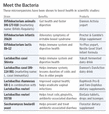
Probiotic factors partially prevent changes to caspases 3 and 7 activation and transepithelial electrical resistance in a model of 5-fluorouracil-induced epithelial cell damage
"We conclude that pretreatment with selected probiotic SN could prevent or inhibit enterocyte apoptosis and loss of intestinal barrier function induced by 5-FU, potentially forming the basis of a preventative treatment modality for mucositis."
"We conclude that pretreatment with selected probiotic SN could prevent or inhibit enterocyte apoptosis and loss of intestinal barrier function induced by 5-FU, potentially forming the basis of a preventative treatment modality for mucositis."
Prostate cancer + Walnuts

Validation of the Antiproliferative Effects of Organic Extracts from the Green Husk of Juglans regia L. on PC-3 Human Prostate Cancer Cells by Assessment of Apoptosis-Related Genes
"Our data suggest the presence of bioactive compound(s) in walnut green husks that are capable of killing prostate carcinoma cells by inducing apoptosis and that the husks are a candidate source of anticancer drugs."
"Our data suggest the presence of bioactive compound(s) in walnut green husks that are capable of killing prostate carcinoma cells by inducing apoptosis and that the husks are a candidate source of anticancer drugs."
Ehrlich's Ascites Carcinoma + Hydroalcoholic extracts of Terminalia chebula, Terminalia belerica, Emblica officinalis, Caesalpinia crista, Cajanus cajan, and Tinospora cordifolia
Terminalia chebula
In vitro cytotoxic effect of hydroalcoholic extracts of medicinal plants on Ehrlich’s Ascites Carcinoma (EAC)
"The results showed that the plant extracts were invariably non toxic for the normal spleenocyte cell, whereas they showed toxicity for EAC cells in different degree. The cell cycle analysis for the EAC cells treated with the extracts of the aforesaid plants showed a variable, yet dosedependent increasing percentage of apoptosis. The results signify that the plants which have antioxidant property may function as cytotoxic agent for cancer cell."
"The results showed that the plant extracts were invariably non toxic for the normal spleenocyte cell, whereas they showed toxicity for EAC cells in different degree. The cell cycle analysis for the EAC cells treated with the extracts of the aforesaid plants showed a variable, yet dosedependent increasing percentage of apoptosis. The results signify that the plants which have antioxidant property may function as cytotoxic agent for cancer cell."
Oral cancer + Gracilaria tenuistipitata
Anti-proliferative effect of methanolic extract of Gracilaria tenuistipitata on oral cancer cells involves apoptosis, DNA damage, and oxidative stress
"These results indicated that MEGT had apoptosis-based cytotoxicity against oral cancer cells through the DNA damage, ROS induction, and mitochondrial depolarization. Therefore, MEGT derived from the edible algae may have potential therapeutic effects against oral squamous cell carcinoma (OSCC)."
"These results indicated that MEGT had apoptosis-based cytotoxicity against oral cancer cells through the DNA damage, ROS induction, and mitochondrial depolarization. Therefore, MEGT derived from the edible algae may have potential therapeutic effects against oral squamous cell carcinoma (OSCC)."
CAM + cancer Related Stress

Cancer-Related Stress and Complementary and Alternative Medicine: A Review
"CAM for stress management could restore a patient’s sense of control, maintain quality of life, reduce risk of cancer recurrence, and minimize physician visits. The first prescription following a cancer-related visit with a healthcare provider may be for stress management technique/product....Thus, CAM for stress management could be a critical component of cancer care."
"CAM for stress management could restore a patient’s sense of control, maintain quality of life, reduce risk of cancer recurrence, and minimize physician visits. The first prescription following a cancer-related visit with a healthcare provider may be for stress management technique/product....Thus, CAM for stress management could be a critical component of cancer care."
Crassocephalum crepidioides + cancer General
Antitumor activity and macrophage nitric oxide producing action of medicinal herb, Crassocephalum crepidioides
"The results highlight the oncolytic and immunopotentiation properties of C. crepidioides mediated through NF-κB-induced release of NO from macrophages"
"The results highlight the oncolytic and immunopotentiation properties of C. crepidioides mediated through NF-κB-induced release of NO from macrophages"
Phyllanthus urinaria + cancer General

Novel substituted methylenedioxy lignan suppresses proliferation of cancer cells by inhibiting telomerase and activation of c-myc and caspases leading to apoptosis
"Conventional solvent fractionation and bioactivity based target assays were used to identify a new anti-cancer molecule from Phyllanthus urinaria, a herbal medicinal plant used in South India.... The results indicate that 7'-hydroxy-3',4',5,9,9'-pentamethoxy-3,4-methylene dioxy lignan was capable of inhibiting telomerase activity and also could inhibit bcl2 and activate caspase 3 and caspase 8 whose significance in the induction of apoptosis is well known. We believe that this compound could serve as a valuable chemotherapeutic drug after further evaluations."
"Conventional solvent fractionation and bioactivity based target assays were used to identify a new anti-cancer molecule from Phyllanthus urinaria, a herbal medicinal plant used in South India.... The results indicate that 7'-hydroxy-3',4',5,9,9'-pentamethoxy-3,4-methylene dioxy lignan was capable of inhibiting telomerase activity and also could inhibit bcl2 and activate caspase 3 and caspase 8 whose significance in the induction of apoptosis is well known. We believe that this compound could serve as a valuable chemotherapeutic drug after further evaluations."
Japanese Energy Healing + cancer general

Effect of a Japanese Energy Healing Method Known as Johrei on Viability and Proliferation of Cultured Cancer Cells In Vitro
"These results provide evidence that Johrei treatment induces the viability loss of various cancer cells in vitro, mainly due to the increased cell death and the decreased proliferation."
"These results provide evidence that Johrei treatment induces the viability loss of various cancer cells in vitro, mainly due to the increased cell death and the decreased proliferation."
Uncaria tomentosa + adjuvant treatment for Breast cancer

Uncaria tomentosa—Adjuvant Treatment for Breast Cancer: Clinical Trial
"Uncaria tomentosa reduced the neutropenia caused by chemotherapy and was also able to restore cellular DNA damage. We concluded that Ut is an effective adjuvant treatment for breast cancer."
"Uncaria tomentosa reduced the neutropenia caused by chemotherapy and was also able to restore cellular DNA damage. We concluded that Ut is an effective adjuvant treatment for breast cancer."
Pancreatic cancer + Gambogic Acid

Study of the enhanced anticancer efficacy of gambogic acid on Capan-1 pancreatic cancer cells when mediated via magnetic Fe3O4 nanoparticles
"These findings demonstrate that a combination of GA and MNPs-Fe3O4 represents a promising approach to the treatment of pancreatic cancer."
"These findings demonstrate that a combination of GA and MNPs-Fe3O4 represents a promising approach to the treatment of pancreatic cancer."
Cancer General + Gambogic Acid

A role for transferrin receptor in triggering apoptosis when targeted with gambogic acid
"In summary, GA binding to TfR induces a unique signal leading to rapid apoptosis of tumor cells. These results suggest that GA may provide an additional approach for targeting the TfR and its use in cancer therapy."
"In summary, GA binding to TfR induces a unique signal leading to rapid apoptosis of tumor cells. These results suggest that GA may provide an additional approach for targeting the TfR and its use in cancer therapy."
Fatigue + Guarana

Guarana (Paullinia cupana) Improves Fatigue in Breast Cancer Patients Undergoing Systemic Chemotherapy
"It was demonstrated in a randomized clinical trial that guarana extract is an effective, inexpensive, and nontoxic option for the short-term treatment of cancer-related fatigue in women with BC undergoing chemotherapy. Further studies are needed to confirm these results and to evaluate their generalizability to other types of cancer and other clinical settings."
"It was demonstrated in a randomized clinical trial that guarana extract is an effective, inexpensive, and nontoxic option for the short-term treatment of cancer-related fatigue in women with BC undergoing chemotherapy. Further studies are needed to confirm these results and to evaluate their generalizability to other types of cancer and other clinical settings."
Radiation Sickness + Triphala

Triphala, an Ayurvedic Rasayana Drug, Protects Mice Against Radiation-Induced Lethality by Free-Radical Scavenging
"From our study it is clear that TE provided protection against radiation-induced sickness and mortality in mice and its free radical scavenging and antioxidant activities may be responsible for the observed radioprotection. Further experimental studies are planned to explore how TE may modulate the radiation-induced damage in radiation fractionation, for its utility in cancer treatment and its effect on cancer growth."
"From our study it is clear that TE provided protection against radiation-induced sickness and mortality in mice and its free radical scavenging and antioxidant activities may be responsible for the observed radioprotection. Further experimental studies are planned to explore how TE may modulate the radiation-induced damage in radiation fractionation, for its utility in cancer treatment and its effect on cancer growth."
Bladder cancer + B12 + Meat
Dietary intake of meat, fruits, vegetables, and selective micronutrients and risk of bladder cancer in the New England region of the United States
"In summary, we observed a positive association between processed meat intake and bladder cancer, especially for processed red meat. Furthermore, individuals who consumed larger amounts of vitamin B12 had a decreased risk for this malignancy."
"In summary, we observed a positive association between processed meat intake and bladder cancer, especially for processed red meat. Furthermore, individuals who consumed larger amounts of vitamin B12 had a decreased risk for this malignancy."
Breast cancer + Celery
Apigenin Induces Apoptosis and Blocks Growth of Medroxyprogesterone Acetate-Dependent BT-474 Xenograft Tumors
"In conclusion, we show that apigenin inhibits the growth of MPA-dependent BT-474 xenograft tumors, both by inducing apoptosis and by inhibiting proliferation of tumor epithelial cells. Apigenin may also reduce the production by tumor cells of pro-angiogenic VEGF, which is essential for growth and maintenance of blood vessels in the tumor microenvironment."
"In conclusion, we show that apigenin inhibits the growth of MPA-dependent BT-474 xenograft tumors, both by inducing apoptosis and by inhibiting proliferation of tumor epithelial cells. Apigenin may also reduce the production by tumor cells of pro-angiogenic VEGF, which is essential for growth and maintenance of blood vessels in the tumor microenvironment."
Lung, colon cancer + Artemisia argyi and Artemisia annua
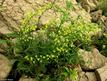
Anticancer activity of botanical compounds in ancient fermented beverages (Review)
"..These data show that both artesunate and artemisinin treatments resulted in a concentration-dependent inhibition of cell growth in Lewis lung carcinoma cells, but that artesunate was >30 times as effective ...
...The active compounds detected by the p53 studies included artemisinin, artesunate, borneol, isoscopoletin, and ursolic acid, with inhibition effects on tumor growth ranging in concentration from micromolar to millimolar amounts. Although artesunate, and to a lesser extent artemisinin, are most active against HCT116 colon adenocarcinoma...
...Based on these results, we propose in vivo and clinical studies of one derivative compound from A. annua in particular: artesunate. As already known from in vivo mouse studies of other cancers, we plan to test this compound for its clinical efficacy against lung and pancreatic cancer. To date, the effectiveness of artesunate against these specific cancers has not been determined...
"..These data show that both artesunate and artemisinin treatments resulted in a concentration-dependent inhibition of cell growth in Lewis lung carcinoma cells, but that artesunate was >30 times as effective ...
...The active compounds detected by the p53 studies included artemisinin, artesunate, borneol, isoscopoletin, and ursolic acid, with inhibition effects on tumor growth ranging in concentration from micromolar to millimolar amounts. Although artesunate, and to a lesser extent artemisinin, are most active against HCT116 colon adenocarcinoma...
...Based on these results, we propose in vivo and clinical studies of one derivative compound from A. annua in particular: artesunate. As already known from in vivo mouse studies of other cancers, we plan to test this compound for its clinical efficacy against lung and pancreatic cancer. To date, the effectiveness of artesunate against these specific cancers has not been determined...
Nutrition + Cachexia

Nutritional Interventions for Cancer-induced Cachexia
"Possible macronutrient changes such as increased protein may be considered as well as supplementation with omega-3 fatty acids and other micronutrients described. There is a need to optimize nutritional state and encourage repair of tissues not only during cancer surgery or procedures, but throughout the course of cancer therapy to decrease morbidity and increase quality of life. Proper identification and management of chemotherapy and radiation side effects, promotion of nutritional status, and prevention of muscle loss would be expected to reduce the considerable morbidity associated with CIC."
"Possible macronutrient changes such as increased protein may be considered as well as supplementation with omega-3 fatty acids and other micronutrients described. There is a need to optimize nutritional state and encourage repair of tissues not only during cancer surgery or procedures, but throughout the course of cancer therapy to decrease morbidity and increase quality of life. Proper identification and management of chemotherapy and radiation side effects, promotion of nutritional status, and prevention of muscle loss would be expected to reduce the considerable morbidity associated with CIC."
Ehrlich Ascites Carcinoma + Gracilaria edulis (Gmelin) Silva
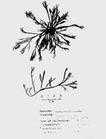
Antitumor activity of ethanol extract of Gracilaria edulis (Gmelin) Silva on Ehrlich ascites carcinoma-bearing mice
"The present study scientifically proved the antitumor activity of marine algae G. edulis and the effect can be correlated with doses."
"The present study scientifically proved the antitumor activity of marine algae G. edulis and the effect can be correlated with doses."
Lung cancer, Hepatoma, Leukemia + Aloe Vera
Aloe-emodin novel anticancer Herbal Drug
"Aloe-Emodin was able to inhibit cell growth in several tumor cells, including human lung carcinoma, hepatoma, and leukemia cell lines. aloe-emodin shows a high specificity for neuroectodermal tumor cells....Emodin and aloe-emodin were also able to induce cell-cycle arrest, involving an increase in p53 expression level and accompanied by upregulation of p21. This suggests that emodin could be a promising candidature for the research and development of new anti-tumor drugs."
"Aloe-Emodin was able to inhibit cell growth in several tumor cells, including human lung carcinoma, hepatoma, and leukemia cell lines. aloe-emodin shows a high specificity for neuroectodermal tumor cells....Emodin and aloe-emodin were also able to induce cell-cycle arrest, involving an increase in p53 expression level and accompanied by upregulation of p21. This suggests that emodin could be a promising candidature for the research and development of new anti-tumor drugs."
Lung cancer + Coptis Extract + Multidrug Resistance + Combined with Chemotherapeutic Agents
Effects of Coptis extract combined with chemotherapeutic agents on ROS production, multidrug resistance, and cell growth in A549 human lung cancer cells
"As potential adjuvants to chemotherapy for non–small cell lung cancer, COP and BER increase ROS production, reduce MDR, and enhance the inhibitory effects of chemotherapeutic agents on A549 cell growth."
"As potential adjuvants to chemotherapy for non–small cell lung cancer, COP and BER increase ROS production, reduce MDR, and enhance the inhibitory effects of chemotherapeutic agents on A549 cell growth."
Head + Neck cancer + Green Tea

Chemoprevention of Head and Neck Cancer by Green Tea Extract: EGCG—The Role of EGFR Signaling and “Lipid Raft”
"Considering the tantalizingly marginal improvement in the treatment outcomes of patients with HNSCC, it is urgent and critical to develop novel strategy based on early detection and chemoprevention. Among numerous putative chemopreventive agents, EGCG appears to be one of the most promising natural compounds based on accumulated data and, in particular, two novel findings provided recently: (1) clinical efficacy and (2) unique biological effects on lipid rafts that are an important platform of numerous biophysical functions including RTKs signalings. A larger-scale clinical study of EGCG is highly recommended."
"Considering the tantalizingly marginal improvement in the treatment outcomes of patients with HNSCC, it is urgent and critical to develop novel strategy based on early detection and chemoprevention. Among numerous putative chemopreventive agents, EGCG appears to be one of the most promising natural compounds based on accumulated data and, in particular, two novel findings provided recently: (1) clinical efficacy and (2) unique biological effects on lipid rafts that are an important platform of numerous biophysical functions including RTKs signalings. A larger-scale clinical study of EGCG is highly recommended."
Homeopathy + cancer general + anti-metastatic
Effect of Homeopathic Medicines on Transplanted Tumors in Mice
"These findings support that homeopathic preparations of Ruta and Hydrastis have significant antitumour activity.
The mechanism of action of these medicines is not known at present."
"These findings support that homeopathic preparations of Ruta and Hydrastis have significant antitumour activity.
The mechanism of action of these medicines is not known at present."
Homeopathy + Leukemia
Tumor Therapy with Amanita phalloides (Death Cap): Stabilization of B-Cell Chronic Lymphatic LeukemiaIsolde
"The former duplication time of leukemic cells was 21 months. Within a period of 21 months, the cell count is stabilized to around 105/μL. No leukemia-associated symptoms, liver damage, or continuous erythrocyte deprivation occur....This new principle of tumor therapy shows high potential to provide a gentle medical treatment"
"The former duplication time of leukemic cells was 21 months. Within a period of 21 months, the cell count is stabilized to around 105/μL. No leukemia-associated symptoms, liver damage, or continuous erythrocyte deprivation occur....This new principle of tumor therapy shows high potential to provide a gentle medical treatment"
Homeopathy + Prostate cancer
Effects of Homeopathic Preparations on Human Prostate Cancer Growth in Cellular and Animal Models
"Our study clearly demonstrates a biologic response to homeopathic treatment as manifested by cell proliferation and tumor growth. This biologic effect was (i)significantly stronger to Sabal serrulata than to controls and (ii)specific to human prostate cancer. Sabal serrulata should thus be further investigated as a specific homeopathic remedy for prostate pathology."
"Our study clearly demonstrates a biologic response to homeopathic treatment as manifested by cell proliferation and tumor growth. This biologic effect was (i)significantly stronger to Sabal serrulata than to controls and (ii)specific to human prostate cancer. Sabal serrulata should thus be further investigated as a specific homeopathic remedy for prostate pathology."
Homeoopathy + Gallbladder, Periampullary and Liver cancer
A homeopathic approach to treat patients with advanced gallbladder, periampullary, and liver carcinomas: a report of 3 cases
"According to the Response Evaluation Criteria in Solid Tumors criteria, complete tumor response occurred in 1 case and partial tumor response occurred in the other 2 cases. All 3 patients remained alive and maintained a stable quality of life for at least 2 years. The patients reported no adverse side-effects from Psorinum-6x.
This report indicates the clinical efficacy of Psorinum therapy in treating those 3 patients. Thorough basic research and well-designed clinical trials should be conducted for further investigation"
"According to the Response Evaluation Criteria in Solid Tumors criteria, complete tumor response occurred in 1 case and partial tumor response occurred in the other 2 cases. All 3 patients remained alive and maintained a stable quality of life for at least 2 years. The patients reported no adverse side-effects from Psorinum-6x.
This report indicates the clinical efficacy of Psorinum therapy in treating those 3 patients. Thorough basic research and well-designed clinical trials should be conducted for further investigation"
Homeopathy + Polygala senega + Lung cancer
Anticancer Potentials of Root Extract of Polygala senega and Its PLGA Nanoparticles-Encapsulated Form
"In conclusion, it has been demonstrated that homeopathic mother tincture of P. senega has an anticancer effect against lung cancer cells in vitro, and PLGA encapsulation helps it to enhance its cellular uptake and anticancer potentials, presumably by increasing drug bioavailability. This should stimulate further research on nano-encapsulation of homeopathic mother tinctures, as also medicinal herbal extracts, particularly with suspected anticancer potentials, to examine whether this would prove to be a novel approach for accelerating anticancer potentials for other cases as well"
"In conclusion, it has been demonstrated that homeopathic mother tincture of P. senega has an anticancer effect against lung cancer cells in vitro, and PLGA encapsulation helps it to enhance its cellular uptake and anticancer potentials, presumably by increasing drug bioavailability. This should stimulate further research on nano-encapsulation of homeopathic mother tinctures, as also medicinal herbal extracts, particularly with suspected anticancer potentials, to examine whether this would prove to be a novel approach for accelerating anticancer potentials for other cases as well"
Dietary Antioxidants + cancer prevention

Significance of Dietary Antioxidants in Averting Cancer
"By this we can conclude that dietary antioxidants can provide a wide sort of health benefits, caused by the in the presence of free radicals on key biomolecules like lipids or nucleic acids. We can also prevent the various diseases which are occurring in the presence of Reactive Oxygen Species (ROS) like cancer and oxidative stress related diseases."
"By this we can conclude that dietary antioxidants can provide a wide sort of health benefits, caused by the in the presence of free radicals on key biomolecules like lipids or nucleic acids. We can also prevent the various diseases which are occurring in the presence of Reactive Oxygen Species (ROS) like cancer and oxidative stress related diseases."
Luteolin + cancer prevention

Luteolin, a flavonoid with potentials for cancer prevention and therapy
"These observations suggest that luteolin could be an anticancer agent for various cancers. Furthermore, recent epidemiological studies have attributed a cancer prevention property to luteolin. In this review, we summarize the progress of recent research on luteolin, with a particular focus on its anticancer role and molecular mechanisms underlying this property of luteolin."
Luteolin rich foods Parsley, thyme, celery, hot peppers, chamomile tea,
"These observations suggest that luteolin could be an anticancer agent for various cancers. Furthermore, recent epidemiological studies have attributed a cancer prevention property to luteolin. In this review, we summarize the progress of recent research on luteolin, with a particular focus on its anticancer role and molecular mechanisms underlying this property of luteolin."
Luteolin rich foods Parsley, thyme, celery, hot peppers, chamomile tea,
Luteolin + cancer general
Luteolin sensitizes Fas/FasL–induced apoptosis in HepG2 cells through inhibiting Akt Activation and promoting XIAP Degradation
"....Evidences demonstrated that anti-Fas antibodies, rFasL reduce the growth of transplanted solid tumors in vivo experiments in mice and also cause severe damage to the mouse liver at the same time [30]. Therefore, liver injury induced by this agent determined the limitation of their application. In this study, we found that luteolin enhance FasLinduced apoptosis in HepG2 cells, while the L02 cells can be exemped from the cytoxic effects at a sufficient dose level. It may therefore be possible that luteolin could widen the therapeutic window, allowing cancer cells killing while protecting liver cells."
Luteolin rich foods Parsley, thyme, celery, hot peppers, chamomile tea,
"....Evidences demonstrated that anti-Fas antibodies, rFasL reduce the growth of transplanted solid tumors in vivo experiments in mice and also cause severe damage to the mouse liver at the same time [30]. Therefore, liver injury induced by this agent determined the limitation of their application. In this study, we found that luteolin enhance FasLinduced apoptosis in HepG2 cells, while the L02 cells can be exemped from the cytoxic effects at a sufficient dose level. It may therefore be possible that luteolin could widen the therapeutic window, allowing cancer cells killing while protecting liver cells."
Luteolin rich foods Parsley, thyme, celery, hot peppers, chamomile tea,
Oral cancer + Quercetin

Quercetin Induces Necrosis and Apoptosis in SCC-9 Oral Cancer Cells
Quercetin is a member of the class of flavonoids called flavonols. It is widely distributed in the plant kingdom in rinds and barks The.main dietary sources of quercetin are onions, tea, apples, berries and red wine.
"In conclusion, our data support a view that quercetin initially induces a stress response, resulting in
necrosis of these oral epithelial cells. Prolonged exposure of the surviving cells to quercetin causes apoptosis, presumably mediated by inhibition of TS protein."
Quercetin is a member of the class of flavonoids called flavonols. It is widely distributed in the plant kingdom in rinds and barks The.main dietary sources of quercetin are onions, tea, apples, berries and red wine.
"In conclusion, our data support a view that quercetin initially induces a stress response, resulting in
necrosis of these oral epithelial cells. Prolonged exposure of the surviving cells to quercetin causes apoptosis, presumably mediated by inhibition of TS protein."
Ebook on cancer

Thousand Plants against Cancer without Chemo-Therapy - By Giuseppe Nacci , M.D.
1,700 official scientific publications, 1,750 various bibliographical references
1,700 official scientific publications, 1,750 various bibliographical references
Chinese Medicine + Chinese Medicinal Herbs
Anti-cancer natural products isolated from chinese medicinal herbs
"Natural products such as GA, curcumin, β-elemene et al. derived from Chinese medicinal herbs are potential candidates for anti-cancer therapeutic drugs."
"Natural products such as GA, curcumin, β-elemene et al. derived from Chinese medicinal herbs are potential candidates for anti-cancer therapeutic drugs."
Cancer general + Hopea oderata
An evaluation of the anticancer activity in Hopea odorata extracts
"The result indicated that the butanol extract of H. Odorata had selective inhibition to both Hep G2 and Chang cells with IC50 of 20.14 and 377 μg/ml, respectively. Growth inhibition by the extract showed an increased of apoptosis at concentration of 25 μg/ml."
"The result indicated that the butanol extract of H. Odorata had selective inhibition to both Hep G2 and Chang cells with IC50 of 20.14 and 377 μg/ml, respectively. Growth inhibition by the extract showed an increased of apoptosis at concentration of 25 μg/ml."
Breast cancer + Bitter Melon

Bitter melon (Momordica charantia) extract inhibits breast cancer cell proliferation by modulating cell cycle regulatory genes and promotes apoptosis.
"Together, these results show that BME modulates signal transduction pathways for inhibition of breast cancer cell growth and can be used as a dietary supplement for prevention of breast cancer."
"Together, these results show that BME modulates signal transduction pathways for inhibition of breast cancer cell growth and can be used as a dietary supplement for prevention of breast cancer."
Quality of Life + Mistletoe

Quality of Life and Related Dimensions in Cancer Patients Treated with Mistletoe Extract (Iscador): A Meta-Analysis
"The analyzed trials give some evidence that Iscador treatment might have moderate beneficial short-time effects on QoLassociated dimensions and psychosomatic self regulation."
"The analyzed trials give some evidence that Iscador treatment might have moderate beneficial short-time effects on QoLassociated dimensions and psychosomatic self regulation."
Natural Sources + Anti-cancer agents

Natural sources as potential anti-cancer agents: A review
"In this review active principle derived from natural products are offering a great opportunity to evaluate not only totally new chemical classes of anticancer agents, but also novel lead compound and potentially relevant mechanisms of action."
"In this review active principle derived from natural products are offering a great opportunity to evaluate not only totally new chemical classes of anticancer agents, but also novel lead compound and potentially relevant mechanisms of action."
Gastric cancer prognosis + Vitamin D levels
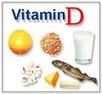
Prognostic effects of 25-hydroxyvitamin D levels in gastric cancer
The patients with high vitamin D levels group (≥50nmol/L) had a higher overall survival compared with the low vitamin D levels group (<50nmol/L)(P = 0.018). Multivariate analysis indicated that vitamin D levels were an independent prognostic factor of gastric cancer (P = 0.019).
Conclusions Vitamin D deficiency may be associated with poor prognosis in gastric cancer."
The patients with high vitamin D levels group (≥50nmol/L) had a higher overall survival compared with the low vitamin D levels group (<50nmol/L)(P = 0.018). Multivariate analysis indicated that vitamin D levels were an independent prognostic factor of gastric cancer (P = 0.019).
Conclusions Vitamin D deficiency may be associated with poor prognosis in gastric cancer."
Leukemia + Tibetan Herbal Remedy PADMA28

Apoptosis induced by the Tibetan herbal remedy PADMA 28 in the T cell-derived lymphocytic leukaemia cell line CEM-C7H2
"Here we show that PADMA 28 added to T cell-derived lymphatic leukaemia cells in culture has a pronounced concentration- and time-dependent anti-proliferative effect. The inhibition of cell proliferation is accompanied by nuclear body formation a morphological signs of apoptosis. Furthermore hallmarks of apoptosis, such as the accumulation of cells in subG1 phase, and fragmentation of poly (ADP-ribose) polymerase (PARP) could be detected.
A growing body of evidence demonstrates that cell survival and cell death are largely determined by the function of Bcl-2 family members. Here we show that induction of apoptosis by PADMA 28 can be effectively counteracted by overexpression of the pro-survival protein Bcl-2. Based on our data we suggest that PADMA 28 may act in a pro-apoptotic fashion by interfering with Bcl-2 signalling.".
"Here we show that PADMA 28 added to T cell-derived lymphatic leukaemia cells in culture has a pronounced concentration- and time-dependent anti-proliferative effect. The inhibition of cell proliferation is accompanied by nuclear body formation a morphological signs of apoptosis. Furthermore hallmarks of apoptosis, such as the accumulation of cells in subG1 phase, and fragmentation of poly (ADP-ribose) polymerase (PARP) could be detected.
A growing body of evidence demonstrates that cell survival and cell death are largely determined by the function of Bcl-2 family members. Here we show that induction of apoptosis by PADMA 28 can be effectively counteracted by overexpression of the pro-survival protein Bcl-2. Based on our data we suggest that PADMA 28 may act in a pro-apoptotic fashion by interfering with Bcl-2 signalling.".
Inflammation, Diet + Cancer

Dietary Cancer Chemopreventive Agents – Targeting Inflammation and Nrf2 Signaling Pathway
"Given that chronic inflammation has been linked with almost 20% of all human malignancies [77], Nrf2 signaling is important in the defense of acute inflammation, both inflammation and Nrf2 seem to be plausible targets for cancer chemoprevention......In addition to ongoing trials involving single phytochemicals with multiple activities, these combinational approaches certainly warrant further consideration in clinical human trials."
"Given that chronic inflammation has been linked with almost 20% of all human malignancies [77], Nrf2 signaling is important in the defense of acute inflammation, both inflammation and Nrf2 seem to be plausible targets for cancer chemoprevention......In addition to ongoing trials involving single phytochemicals with multiple activities, these combinational approaches certainly warrant further consideration in clinical human trials."
Lithospermum erythrorhizon + Chronic Myelogenous Leukemia
Induction
of apoptosis by shikonin through a ROS/JNK-mediated process in
Bcr/Abl-positive chronic myelogenous leukemia (CML) cells
"Altogether, these findings demonstrate that shikonin-induced oxidative injury operates at a proximal point in apoptotic signaling cascades, and subsequently activates the stress-related JNK pathway, triggers mitochondrial dysfunction, cytochrome c release, and caspase activation, and leads to apoptosis. Our data also suggest that shikonin may be a promising agent for the treatment of CML, as a generator of ROS."
(Shikonin (C16H16O5) is a natural naphthoquinone derivative compound that is present in the root tissues of the traditional Chinese medical herb Lithospermum erythrorhizon.)
"Altogether, these findings demonstrate that shikonin-induced oxidative injury operates at a proximal point in apoptotic signaling cascades, and subsequently activates the stress-related JNK pathway, triggers mitochondrial dysfunction, cytochrome c release, and caspase activation, and leads to apoptosis. Our data also suggest that shikonin may be a promising agent for the treatment of CML, as a generator of ROS."
(Shikonin (C16H16O5) is a natural naphthoquinone derivative compound that is present in the root tissues of the traditional Chinese medical herb Lithospermum erythrorhizon.)
Olive Oil + Cancer
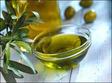
Olive
oil intake is inversely related to cancer prevalence: a systematic
review and a metaanalysis of 13800 patients and 23340 controls in 19 observational studies
"The present systematic review and meta-analysis of observational studies revealed that, overall, olive oil consumption was associated with lower odds of cancer development. Most prominent results were observed for breast cancer and cancers of the digestive system, while the aforementioned relationship was similar to studies performed in Mediterranean as well as non-Mediterranean countries."
"The present systematic review and meta-analysis of observational studies revealed that, overall, olive oil consumption was associated with lower odds of cancer development. Most prominent results were observed for breast cancer and cancers of the digestive system, while the aforementioned relationship was similar to studies performed in Mediterranean as well as non-Mediterranean countries."
Homeopathy + quality of Life + Fatigue
Classical
homeopathy in the treatment of cancer patients - a prospective
observational study of two independent cohorts
"Conclusion In our prospective study, we observed an improvement of quality of life as well as a tendency of fatigue symptoms to decrease in cancer patients under complementary homeopathic treatment. It would take considerably larger samples to find matched pairs suitable for comparison in order to establish a definite causal relation between these effects and homeopathic treatment."
"Conclusion In our prospective study, we observed an improvement of quality of life as well as a tendency of fatigue symptoms to decrease in cancer patients under complementary homeopathic treatment. It would take considerably larger samples to find matched pairs suitable for comparison in order to establish a definite causal relation between these effects and homeopathic treatment."
Breast cancer + Metastases + Blueberries
Blueberry Phytochemicals Inhibit Growth and Metastatic Potential of MDA-MB-231 Breast Cancer Cells through Modulation of the
Phosphatidylinositol 3-Kinase Pathway
"These data illustrate the inhibitory effect of blueberry phytochemicals on the growth and metastatic potential of MDA-MB-231 cells through modulation of the PI3K/AKT/NFκB pathway."
"These data illustrate the inhibitory effect of blueberry phytochemicals on the growth and metastatic potential of MDA-MB-231 cells through modulation of the PI3K/AKT/NFκB pathway."
Brain Tumour + Artemisia argyi
Jaceosidin Induces Apoptosis in U87 Glioblastoma Cells through G2/M Phase Arrest
"In conclusion, our data demonstrated that jaceosidin inhibited the growth of U87 glioblastoma cells and induced apoptosis through cell cycle arrest, upregulation of p53 and Bax, lowering MTP, release of cytochrome c, and cleavage of caspase 3. Thus, jaceosidin could be developed into a novel chemotherapeutic or chemopreventive agent against glioblastoma."
"In conclusion, our data demonstrated that jaceosidin inhibited the growth of U87 glioblastoma cells and induced apoptosis through cell cycle arrest, upregulation of p53 and Bax, lowering MTP, release of cytochrome c, and cleavage of caspase 3. Thus, jaceosidin could be developed into a novel chemotherapeutic or chemopreventive agent against glioblastoma."
Prostate cancer + Pomegranate

Pomegranate extract induces apoptosis in human prostate cancer cells by modulation of the IGF-IGFBP axis
"In conclusion, these studies reveal novel interactions between the IGF system and pomegranate-induced apoptosis, and suggest that pomegranate products modulate the tumor production and responsiveness to IGFs and the IGFBPs. As IGFBP-3 is currently being tested in humans as a treatment for prostate cancer and pomegranate supplements are becoming popular as adjuvant nutritional treatments for this disease, we propose that these agents may emerge as useful in the management of prostate cancer."
"In conclusion, these studies reveal novel interactions between the IGF system and pomegranate-induced apoptosis, and suggest that pomegranate products modulate the tumor production and responsiveness to IGFs and the IGFBPs. As IGFBP-3 is currently being tested in humans as a treatment for prostate cancer and pomegranate supplements are becoming popular as adjuvant nutritional treatments for this disease, we propose that these agents may emerge as useful in the management of prostate cancer."
Prostate cancer + Pomegranate
Pomegranate extract inhibits androgen-independent prostate cancer growth through a nuclear factor-κB-dependent mechanism
"Extending the duration of the androgen-dependent state could potentially prolong life expectancy of prostate cancer patients and delay or prevent the need for additional hormonal therapy or chemotherapy. In this regard, our finding that PE delayed the growth and emergence of androgen independence in our xenograft model may be particularly germane. Of importance, our group showed previously that dietary fat reduction delayed the emergence of androgen independence and prolonged survival using a similar xenograft model (36). Future research will focus on potential additive and/or synergistic effects of combining a low-fat diet with PE. Based on our results, we propose that PJ could have potential as a dietary agent to prevent the emergence of androgen independence and suggest that this may be a high priority area for future clinical investigation"
"Extending the duration of the androgen-dependent state could potentially prolong life expectancy of prostate cancer patients and delay or prevent the need for additional hormonal therapy or chemotherapy. In this regard, our finding that PE delayed the growth and emergence of androgen independence in our xenograft model may be particularly germane. Of importance, our group showed previously that dietary fat reduction delayed the emergence of androgen independence and prolonged survival using a similar xenograft model (36). Future research will focus on potential additive and/or synergistic effects of combining a low-fat diet with PE. Based on our results, we propose that PJ could have potential as a dietary agent to prevent the emergence of androgen independence and suggest that this may be a high priority area for future clinical investigation"
Colon cancer + Chinese Red Yeast Rice
Anti-Cancer Effects of Chinese Red Yeast Rice beyond Monacolin K alone in Colon Cancer Cells
"RYR, a traditional Chinese food herb and a modern dietary supplement, has demonstrated in vitro effects including inhibition of proliferation and stimulation of apoptosis in human colon cancer cells by mechanisms involving MK and the red yeast pigment fraction"
"RYR, a traditional Chinese food herb and a modern dietary supplement, has demonstrated in vitro effects including inhibition of proliferation and stimulation of apoptosis in human colon cancer cells by mechanisms involving MK and the red yeast pigment fraction"
Ovarian, Cervical, Breast, Colon cancer + Ginger

Phytochemicals, antioxidant properties and anticancer investigations of
the different parts of several gingers species (Boesenbergia rotunda,
Boesenbergia pulchella var attenuata and Boesenbergia armeniaca)
"In the cytotoxicity assay, B. rotunda showed the most prominent and promising result as anticancer medicinal plant. It showed positive antiproliferative effect against five cancer cell lines: ovarian (CaOV3), breast (MDA-MB-231 and MCF-7), cervical (HeLa) and colon (HT-29) cancer cell lines with 3-(4, 5-dimethylthiazol-2-yl)-2, 5-diphenyltetrazolium bromide (MTT) assay conducted. In addition, the rhizome of B. pulchella var attenuata and B. armeniaca shown positive result in cytotoxicity assay tested against breast cancer (MCF-7). Thus, the Boesenbergia species investigated would be a promising anticancer remedy for breast cancer."
"In the cytotoxicity assay, B. rotunda showed the most prominent and promising result as anticancer medicinal plant. It showed positive antiproliferative effect against five cancer cell lines: ovarian (CaOV3), breast (MDA-MB-231 and MCF-7), cervical (HeLa) and colon (HT-29) cancer cell lines with 3-(4, 5-dimethylthiazol-2-yl)-2, 5-diphenyltetrazolium bromide (MTT) assay conducted. In addition, the rhizome of B. pulchella var attenuata and B. armeniaca shown positive result in cytotoxicity assay tested against breast cancer (MCF-7). Thus, the Boesenbergia species investigated would be a promising anticancer remedy for breast cancer."
Cancer Prevention + Nutrition

MicroRNA, Nutrition, and Cancer Prevention
"Recent evidence suggests that nutrients and other bioactive food components protect against cancer through modulation of miRNA expression. Moreover, dietary factors have been shown to modify miRNA expression and their mRNA targets in various cancer processes, including apoptosis, cell cycle regulation, differentiation, inflammation, angiogenesis, and metastasis as well as pathways in stress response. Herein, we provide a brief overview of dietary modulation of miRNA expression and its potential role in cancer prevention. Understanding the affect of dietary factors on miRNA expression and function may provide insight on prevention strategies to reduce the burden of cancer."
"Recent evidence suggests that nutrients and other bioactive food components protect against cancer through modulation of miRNA expression. Moreover, dietary factors have been shown to modify miRNA expression and their mRNA targets in various cancer processes, including apoptosis, cell cycle regulation, differentiation, inflammation, angiogenesis, and metastasis as well as pathways in stress response. Herein, we provide a brief overview of dietary modulation of miRNA expression and its potential role in cancer prevention. Understanding the affect of dietary factors on miRNA expression and function may provide insight on prevention strategies to reduce the burden of cancer."
Cancer general + Vitamin C
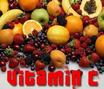
Vitamin C: A Concentration-Function Approach Yields Pharmacology and Therapeutic Discoveries
"Pharmacologic ascorbate can elicit cytotoxicity toward cancer cells and slow the growth of tumors in experimental murine models. The effects of pharmacologic ascorbate should be further studied in diseases, such as cancer and infections, which may respond to generation of reactive oxygen species via H2O2."
"Pharmacologic ascorbate can elicit cytotoxicity toward cancer cells and slow the growth of tumors in experimental murine models. The effects of pharmacologic ascorbate should be further studied in diseases, such as cancer and infections, which may respond to generation of reactive oxygen species via H2O2."
Cancer general + European Mistletow
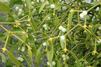
Survival of cancer patients treated with mistletoe extract (Iscador): a systematic literature review.
"Pooled analysis of clinical studies suggests that adjuvant treatment of cancer patients with the mistletoe extract Iscador is associated with a better survival. Despite obvious limitations, and strong hints for a publication bias which limits the evidence found in this meta-analysis, one can not ignore the fact that studies with positive effects of VA-E on survival of cancer patients are accumulating"
"Pooled analysis of clinical studies suggests that adjuvant treatment of cancer patients with the mistletoe extract Iscador is associated with a better survival. Despite obvious limitations, and strong hints for a publication bias which limits the evidence found in this meta-analysis, one can not ignore the fact that studies with positive effects of VA-E on survival of cancer patients are accumulating"
Rectum, Colon, Stomach, Breast, Lung cancer + European Mistletoe
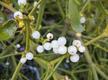
Use of Iscador,and extract of European Mistletoe (Viscum Album), in Cancer
Treatment: Prospective Nonrandomized and Randomized Matched-Pair Studies
Nested Within A Cohorot Study
"Mistletoe extracts, which contain a complex of oncologically relevant active substances andexert a variety of anticancer effects, appear to prolong survival times in patients with various tumor types. In the studies described here, efficacy was observed in patients with rectum carcinoma, colon carcinoma, stomach carcinoma, breast carcinoma (with or without axillary metastases or remote metastases), and small cell and non-small-cell bronchogenic carcinoma. The study findings support the claim of anthroposophical medicine that mistletoe therapy is generally effective for treating cancer, irrespective of tumor type."
"Mistletoe extracts, which contain a complex of oncologically relevant active substances andexert a variety of anticancer effects, appear to prolong survival times in patients with various tumor types. In the studies described here, efficacy was observed in patients with rectum carcinoma, colon carcinoma, stomach carcinoma, breast carcinoma (with or without axillary metastases or remote metastases), and small cell and non-small-cell bronchogenic carcinoma. The study findings support the claim of anthroposophical medicine that mistletoe therapy is generally effective for treating cancer, irrespective of tumor type."
Anticancer Drugs + DHA + Improved Efficacy
Docosahexaenoic acid: A natural powerful adjuvant that improves efficacy for anticancer treatment with no adverse effects.
"The data suggest that DHA is a safe, natural compound that can greatly improve the anticancer properties of anticancer drugs. Use of DHA with anticancer treatments provides an avenue to therapeutic improvement that involves less risk or side effects for patients and reduced regulatory burden for implementation."
There are two major types of omega-3 fatty acids in our diets: One type is alpha-linolenic acid (ALA), which is found in some vegetable oils, such as soybean, rapeseed (canola), and flaxseed, and in walnuts. ALA is also found in some green vegetables, such as Brussels sprouts, kale, spinach, and salad greens. The other type, eicosapentaenoic acid (EPA) and docosahexaenoic acid (DHA), is found in fatty fish. The body partially converts ALA to EPA and DHA.
"The data suggest that DHA is a safe, natural compound that can greatly improve the anticancer properties of anticancer drugs. Use of DHA with anticancer treatments provides an avenue to therapeutic improvement that involves less risk or side effects for patients and reduced regulatory burden for implementation."
There are two major types of omega-3 fatty acids in our diets: One type is alpha-linolenic acid (ALA), which is found in some vegetable oils, such as soybean, rapeseed (canola), and flaxseed, and in walnuts. ALA is also found in some green vegetables, such as Brussels sprouts, kale, spinach, and salad greens. The other type, eicosapentaenoic acid (EPA) and docosahexaenoic acid (DHA), is found in fatty fish. The body partially converts ALA to EPA and DHA.
Lung cancer + Silybum marianum / St. Mary's Thistle
Silibinin modulates TNF-α and IFN-γ mediated signaling to regulate COX2 and iNOS expression in tumorigenic mouse lung epithelial LM2 cells
"Together, we showed that STAT3 and STAT1 could be valuable chemopreventive and therapeutic targets within the lung tumor microenvironment in addition to being targets within tumor itself, and that silibinin inhibits their activation as a plausible mechanism of its efficacy against lung cancer"
NB Silibinin (INN), also known as silybin, is the major active constituent of silymarin, standardized extract of the milk thistle seeds (Silybum marianum)
"Together, we showed that STAT3 and STAT1 could be valuable chemopreventive and therapeutic targets within the lung tumor microenvironment in addition to being targets within tumor itself, and that silibinin inhibits their activation as a plausible mechanism of its efficacy against lung cancer"
NB Silibinin (INN), also known as silybin, is the major active constituent of silymarin, standardized extract of the milk thistle seeds (Silybum marianum)
Melanoma + Radiotherapy + Survival + Withania somnifera / Ashwaghanda
Enhancement of the Response of B16F1 Melanoma to Fractionated Radiotherapy and Prolongation
of Survival by Withaferin A and/or Hyperthermia
" In conclusion, WA is a better radiosensitizer than HT in fractionated regimen and the response of radioresistant tumors like melanoma can be significantly enhanced by combining nontoxic doses of WA with fractionated RT, with or without HT, allowing decrease in radiation dose."
of Survival by Withaferin A and/or Hyperthermia
" In conclusion, WA is a better radiosensitizer than HT in fractionated regimen and the response of radioresistant tumors like melanoma can be significantly enhanced by combining nontoxic doses of WA with fractionated RT, with or without HT, allowing decrease in radiation dose."
Spirituality + cancer

Positive Changes, Increased Spiritual Importance, and Complementary and Alternative Medicine (CAM) Use Among Cancer Survivors
"our study offers important insights into the spiritual experience following cancer among a large sample of survivors with different tumor types. Positive changes are common among survivors, even among those living with cancer...The strong relationship between CAM use and spiritual transformation also suggests that allowing individuals to participate in therapies more aligned with their spiritual orientation to health may have a positive impact for their illness trajectory."
"our study offers important insights into the spiritual experience following cancer among a large sample of survivors with different tumor types. Positive changes are common among survivors, even among those living with cancer...The strong relationship between CAM use and spiritual transformation also suggests that allowing individuals to participate in therapies more aligned with their spiritual orientation to health may have a positive impact for their illness trajectory."
Bojungikki-Tang + Cancer-related fatigue
Bojungikki-Tang for Cancer-Related Fatigue: A Pilot Randomized Clinical Trial
"Despite its limitations, we believe that our study reports interesting data on the potentials of Bojungikki-tang to be used for cancer-related fatigue and to improve quality of life in cancer patients"
"Despite its limitations, we believe that our study reports interesting data on the potentials of Bojungikki-tang to be used for cancer-related fatigue and to improve quality of life in cancer patients"
Glioblastoma + Cannabidiols
Cannabidiol Enhances the Inhibitory Effects of Δ9-Tetrahydrocannabinol on Human Glioblastoma Cell Proliferation and Survival
"The treatment of glioblastoma cells with both compounds led to significant modulations of the cell cycle and induction of reactive oxygen species and apoptosis as well as specific modulations of extracellular signal-regulated kinase and caspase activities. These specific changes were not observed with either compound individually, indicating that the signal transduction pathways affected by the combination treatment were unique. Our results suggest that the addition of cannabidiol to Δ9-THC may improve the overall effectiveness of Δ9-THC in the treatment of glioblastoma in cancer patients."
"The treatment of glioblastoma cells with both compounds led to significant modulations of the cell cycle and induction of reactive oxygen species and apoptosis as well as specific modulations of extracellular signal-regulated kinase and caspase activities. These specific changes were not observed with either compound individually, indicating that the signal transduction pathways affected by the combination treatment were unique. Our results suggest that the addition of cannabidiol to Δ9-THC may improve the overall effectiveness of Δ9-THC in the treatment of glioblastoma in cancer patients."
Cancer general + Calcitriol (active form of Vitamin D)

Calcitriol in cancer treatment: From the lab to the clinic
"1,25-Dihydroxyvitamin D (calcitriol), the most active metabolite of vitamin D, has significant antineoplastic activity in preclinical models. Several mechanisms of activity have been proposed. These include inhibition of proliferation associated with cell cycle arrest and, in some models, differentiation, reduction in invasiveness and angiogenesis, and induction of apoptosis. Proposed mechanisms differ between tumor models and experimental conditions, and no unifying hypothesis about the mechanism of antineoplastic activity has emerged.....Further work is needed to elucidate the molecular mechanisms of antineoplastic activity and optimal clinical applications of calcitriol in cancer. "
NB-Calcitriol also called 1,25-dihydroxycholecalciferol or 1,25-dihydroxyvitamin D3, is the hormonally active form of vitamin D
"1,25-Dihydroxyvitamin D (calcitriol), the most active metabolite of vitamin D, has significant antineoplastic activity in preclinical models. Several mechanisms of activity have been proposed. These include inhibition of proliferation associated with cell cycle arrest and, in some models, differentiation, reduction in invasiveness and angiogenesis, and induction of apoptosis. Proposed mechanisms differ between tumor models and experimental conditions, and no unifying hypothesis about the mechanism of antineoplastic activity has emerged.....Further work is needed to elucidate the molecular mechanisms of antineoplastic activity and optimal clinical applications of calcitriol in cancer. "
NB-Calcitriol also called 1,25-dihydroxycholecalciferol or 1,25-dihydroxyvitamin D3, is the hormonally active form of vitamin D
Esophageal cancer, colorectal cancer and hepatoma and Archidendron lucidum (Benth.)
Anti-tumor effect of Archidendron lucidum (Benth.) against esophageal cancer, colorectal cancer and hepatoma
"Our results indicate that optimal dose of MEAL might possess the anti-tumor effects against esophageal, hepatocellular and colorectal cancers with a relative safety profile. Accordingly, we are purifying effective and less toxic compounds from MEAL."
"Our results indicate that optimal dose of MEAL might possess the anti-tumor effects against esophageal, hepatocellular and colorectal cancers with a relative safety profile. Accordingly, we are purifying effective and less toxic compounds from MEAL."
Renal cancer + Guan-Jen-Huang (Aeginetia indica Linn.)

Effects of a Chinese Herbal Medicine, Guan-Jen-Huang (Aeginetia indica Linn.), on Renal Cancer Cell Growth and Metastasis
"These results suggest that GJH extract has a synergistic effect on apoptosis induced by chemotherapeutic agents and an inhibitory effect on cell adhesion, migration, and invasion, providing evidence for the use of water-based extracts of GJH as novel alternative therapeutic agents in the treatment of human renal cancer."
"These results suggest that GJH extract has a synergistic effect on apoptosis induced by chemotherapeutic agents and an inhibitory effect on cell adhesion, migration, and invasion, providing evidence for the use of water-based extracts of GJH as novel alternative therapeutic agents in the treatment of human renal cancer."
Leukemias, lymphomas, multiple myeloma, brain cancer, melanoma and skin, lung, prostate, breast, ovarian, liver, gastrointestinal, pancreatic and colorectal epithelial cancers + Curcumin
Potential applications of curcumin and its novel synthetic analogs and nanotechnology-based formulations in cancer prevention and therapy
"Curcumin has attracted great attention in the therapeutic arsenal in clinical oncology due to its chemopreventive, antitumoral, radiosensibilizing and chemosensibilizing activities against various types of aggressive and recurrent cancers. These malignancies include leukemias, lymphomas, multiple myeloma, brain cancer, melanoma and skin, lung, prostate, breast, ovarian, liver, gastrointestinal, pancreatic and colorectal epithelial cancers. Curcumin mediates its anti-proliferative, anti-invasive and apoptotic effects on cancer cells, including cancer stem/progenitor cells and their progenies, through multiple molecular mechanisms.
...Taken together, these studies carried out in the last ten years have indicated that curcumin may act on multiple oncogenic targets frequently deregulated in cancer cells, including cancer stem/progenitor cells with stem cell-like properties, during the progression of most human aggressive cancers"
"Curcumin has attracted great attention in the therapeutic arsenal in clinical oncology due to its chemopreventive, antitumoral, radiosensibilizing and chemosensibilizing activities against various types of aggressive and recurrent cancers. These malignancies include leukemias, lymphomas, multiple myeloma, brain cancer, melanoma and skin, lung, prostate, breast, ovarian, liver, gastrointestinal, pancreatic and colorectal epithelial cancers. Curcumin mediates its anti-proliferative, anti-invasive and apoptotic effects on cancer cells, including cancer stem/progenitor cells and their progenies, through multiple molecular mechanisms.
...Taken together, these studies carried out in the last ten years have indicated that curcumin may act on multiple oncogenic targets frequently deregulated in cancer cells, including cancer stem/progenitor cells with stem cell-like properties, during the progression of most human aggressive cancers"
Doxorubicin-induced Cardiotoxicity + Curcuma longa
Cardioprotective effects of Curcuma longa L. extracts against doxorubicin-induced cardiotoxicity in rats
"Oral administration of Curcuma longa ethanolic or water extract (200 mg/kg) prior to doxorubicin produced a significant protection which was evidenced by significant reduction in mortality, CK-MB and LDH -activities. Moreover, they significantly increased GSH markedly, decreased cardiac calcium, and cardiac and serum MDA. In addition, both extracts significantly reduced serum nitric oxide, increased cardiac ascorbic acid, and ameliorated the antioxidant enzymes activities. In conclusion, Curcuma longa extracts renders resiliency against doxorubicin cardiotoxicity due to their contents of polyphenolic compounds that might serve as novel adjuvant therapy with doxorubicin."
"Oral administration of Curcuma longa ethanolic or water extract (200 mg/kg) prior to doxorubicin produced a significant protection which was evidenced by significant reduction in mortality, CK-MB and LDH -activities. Moreover, they significantly increased GSH markedly, decreased cardiac calcium, and cardiac and serum MDA. In addition, both extracts significantly reduced serum nitric oxide, increased cardiac ascorbic acid, and ameliorated the antioxidant enzymes activities. In conclusion, Curcuma longa extracts renders resiliency against doxorubicin cardiotoxicity due to their contents of polyphenolic compounds that might serve as novel adjuvant therapy with doxorubicin."
Thoracic radiotherapy + Flaxseed
DIETARY FLAXSEED PREVENTS RADIATION-INDUCED OXIDATIVE LUNG DAMAGE, INFLAMMATION AND FIBROSIS IN A MOUSE MODEL OF THORACIC RADIATION INJURY
"In summary, this study evaluates a non-toxic, widely available nutritional supplement that offers long term radioprotective effects in the setting of thoracic radiotherapy. Potential mechanisms of the effects of prolonged FS feeding include altering immediate XRT-induced markers of lung damage, creating a baseline radioprotective state prior to XRT, and providing high levels of circulating antioxidants from the continued metabolism is of bioactive lignans."
"In summary, this study evaluates a non-toxic, widely available nutritional supplement that offers long term radioprotective effects in the setting of thoracic radiotherapy. Potential mechanisms of the effects of prolonged FS feeding include altering immediate XRT-induced markers of lung damage, creating a baseline radioprotective state prior to XRT, and providing high levels of circulating antioxidants from the continued metabolism is of bioactive lignans."
Cancer general + Rhaphidophora korthalsii
Immunomodulatory Effect of Rhaphidophora korthalsii on Natural Killer Cell Cytotoxicity
"In this study, stimulation of the immune system by R. korthalsii methanol extract had significant effects on proliferation, NK cell population, and cytokine expression in the host, which further enhanced the cytolytic activity of the immune cells. Up till now, 5,6-dihydroxyindole (DHI) is the only compound successfully isolated from R. korthalsii. However, role of DHI on the immunomodulatory effect of R. korthalsii methanol extract and the other potential active secondary metabolites that play an important role in this immunostimulatory effect are still unknown. Thus, future study should focus on isolation and evaluation of active metabolites from the extract that contributes to the immunomodulatory effect against the NK cell."
"In this study, stimulation of the immune system by R. korthalsii methanol extract had significant effects on proliferation, NK cell population, and cytokine expression in the host, which further enhanced the cytolytic activity of the immune cells. Up till now, 5,6-dihydroxyindole (DHI) is the only compound successfully isolated from R. korthalsii. However, role of DHI on the immunomodulatory effect of R. korthalsii methanol extract and the other potential active secondary metabolites that play an important role in this immunostimulatory effect are still unknown. Thus, future study should focus on isolation and evaluation of active metabolites from the extract that contributes to the immunomodulatory effect against the NK cell."
Prostate cancer + Lycopene
Multitargeted therapy of cancer by lycopene
"These epidemiological studies are supported by numerous in vitro assays using cell cultures that show anti-cancer activities and cancer chemoprevention activities of lycopene in many cell lines including prostate cancer cells. These activities include inducing apoptosis, inhibiting metastasis, preventing oxidative stress, and up-regulating the antioxidant response element so that cells can produce cytoprotective enzymes against prooxidants and electrophiles. In vivo animal studies and Phase I and II clinical trials have shown that lycopene supplements are non-toxic and that lycopene is orally bioavailable. Furthermore, lycopene is concentrated in prostate tissue and localized to the nucleus. In addition, some oxygenated metabolites of lycopene have been identified, and might be active as chemoprevention agents."
NB lycopene is responsible for the red pigmentation of ripe tomatoes and some other edible fruits such as watermelon and papaya.
"These epidemiological studies are supported by numerous in vitro assays using cell cultures that show anti-cancer activities and cancer chemoprevention activities of lycopene in many cell lines including prostate cancer cells. These activities include inducing apoptosis, inhibiting metastasis, preventing oxidative stress, and up-regulating the antioxidant response element so that cells can produce cytoprotective enzymes against prooxidants and electrophiles. In vivo animal studies and Phase I and II clinical trials have shown that lycopene supplements are non-toxic and that lycopene is orally bioavailable. Furthermore, lycopene is concentrated in prostate tissue and localized to the nucleus. In addition, some oxygenated metabolites of lycopene have been identified, and might be active as chemoprevention agents."
NB lycopene is responsible for the red pigmentation of ripe tomatoes and some other edible fruits such as watermelon and papaya.
Esophageal squamous cell carcinoma,gastric + hepatoma + cervical cancer + Daphne Altaica
Antiproliferative activity of different extracts from Daphne altaica Pall. on selected cancer cells
"The results of this study represent the first evidence that barks of D. altaica possess effective antiproliferative activities on human cancer cells. Future phytochemical investigations on this medicinal plant should be encouraged."
"The results of this study represent the first evidence that barks of D. altaica possess effective antiproliferative activities on human cancer cells. Future phytochemical investigations on this medicinal plant should be encouraged."
Pancreatic, lung, liver, breast, ovarian cancer + more + metastasis + Pau D'Arco
Lapachol: an overview
"Lapachol is a naphthoquinone that was first isolated by E. Paterno from Tabebuia avellanedae
(Bignoniaceae) in 1882....many others confirmed the efficacy of this naphthoquinone as an antineoplastic agent. However, in 1974, the National Cancer Institute concluded that, due to the high concentrations necessary for this drug to act as an effective chemotherapeutic agent in human cancer which unfortunately also resulted in very toxic side effects, suspension of further studies on the action of lapachol as an antineoplastic agent would be terminated. However, none of these studies considered the effects of lapachol at a molecular level. This information forms the basis to develop the synthesis of new and novel lapachol analogues which can be used as the future starting point in future developments of this potentially potent biological molecule."
"Lapachol is a naphthoquinone that was first isolated by E. Paterno from Tabebuia avellanedae
(Bignoniaceae) in 1882....many others confirmed the efficacy of this naphthoquinone as an antineoplastic agent. However, in 1974, the National Cancer Institute concluded that, due to the high concentrations necessary for this drug to act as an effective chemotherapeutic agent in human cancer which unfortunately also resulted in very toxic side effects, suspension of further studies on the action of lapachol as an antineoplastic agent would be terminated. However, none of these studies considered the effects of lapachol at a molecular level. This information forms the basis to develop the synthesis of new and novel lapachol analogues which can be used as the future starting point in future developments of this potentially potent biological molecule."
Leukemia + Colon cancer + Nigella sativa
Thymoquinone rich fraction from Nigella sativa and thymoquinone are cytotoxic towards colon and
leukemic carcinoma cell lines
"In conclusion, this study indicates that TQRF and TQ possess cytotoxic properties against colorectal cancer and showed more prominent cytotoxic effects on leukemic cell lines. In spite of TQ, TQRF was also has potential to be used as anti-cancer treatment. Therefore, TQRF from N. sativa does have the potential to be developed as a nutraceuticals for preventing the progression of cancer."
leukemic carcinoma cell lines
"In conclusion, this study indicates that TQRF and TQ possess cytotoxic properties against colorectal cancer and showed more prominent cytotoxic effects on leukemic cell lines. In spite of TQ, TQRF was also has potential to be used as anti-cancer treatment. Therefore, TQRF from N. sativa does have the potential to be developed as a nutraceuticals for preventing the progression of cancer."
Breast cancer and Tamoxifen and Fish Oil
The Impact of Fish Oil on the Chemopreventive Efficacy of Tamoxifen against Development of N-Methyl-N-Nitrosourea–Induced Rat Mammary Carcinogenesis
"In this study, we report for the first time that the combination of a fish oil diet rich in n-3 PUFA and tamoxifen seemed to inhibit N-methyl-N-nitrosourea–induced mammary carcinogenesis, tumor multiplicity, and volume to a greater extent than the individual interventions. The potential superiority of the combination was particularly evident at a suboptimal dose of tamoxifen, which, by itself, was unable to significantly decrease tumor development. Because activation of PPARγ is known to inhibit oxidative stress, we examined the effects of our interventions on circulating and tumor levels of glutathione, a major intracellular antioxidant. Our results indicate that reduction in the level of oxidative stress may be a potential mechanism by which the n-3 PUFA–rich diet potentiated the tumor-suppressive effect of tamoxifen. Our interventions were well tolerated without evidence of toxicity. Combined administration of tamoxifen and n-3 PUFA is a promising new approach to breast cancer prevention. Because of its safety, this combination can quickly be translated to the clinic if its superiority can be supported by future studies."
"In this study, we report for the first time that the combination of a fish oil diet rich in n-3 PUFA and tamoxifen seemed to inhibit N-methyl-N-nitrosourea–induced mammary carcinogenesis, tumor multiplicity, and volume to a greater extent than the individual interventions. The potential superiority of the combination was particularly evident at a suboptimal dose of tamoxifen, which, by itself, was unable to significantly decrease tumor development. Because activation of PPARγ is known to inhibit oxidative stress, we examined the effects of our interventions on circulating and tumor levels of glutathione, a major intracellular antioxidant. Our results indicate that reduction in the level of oxidative stress may be a potential mechanism by which the n-3 PUFA–rich diet potentiated the tumor-suppressive effect of tamoxifen. Our interventions were well tolerated without evidence of toxicity. Combined administration of tamoxifen and n-3 PUFA is a promising new approach to breast cancer prevention. Because of its safety, this combination can quickly be translated to the clinic if its superiority can be supported by future studies."
Skin cancer and Resveratrol
Synergistic Effects of Combined Phytochemicals and Skin Cancer Prevention in SENCAR Mice
" In conclusion, all combinations showed either additive or synergistic effects and their joint actions allowed for decreasing the doses of the compounds. Especially, resveratrol combinations with ellagic acid, grape seed extract, and other phytochemicals are very potent inhibitors of skin tumorgenesis, based on the suppression of epidermal hyperplasia as well as on the modulation of intermediate biomarkers of cell proliferation, cell survival, inflammation, oncogene mutation, and apoptosis."
Resveratrol is an antioxidant that is commonly found in many plants. Red wine, peanuts, grapes and blueberries are some of its rich and popular sources.
" In conclusion, all combinations showed either additive or synergistic effects and their joint actions allowed for decreasing the doses of the compounds. Especially, resveratrol combinations with ellagic acid, grape seed extract, and other phytochemicals are very potent inhibitors of skin tumorgenesis, based on the suppression of epidermal hyperplasia as well as on the modulation of intermediate biomarkers of cell proliferation, cell survival, inflammation, oncogene mutation, and apoptosis."
Resveratrol is an antioxidant that is commonly found in many plants. Red wine, peanuts, grapes and blueberries are some of its rich and popular sources.
Skin cancer + foods containing alkaloids (caffeine), EGEC (green tea), flavanols (cocoa), genistein (soybean), Pycnogenol and more
Phytochemicals as Protectors Against Ultraviolet Radiation: Versatility of Effects and Mechanisms
"Various phytochemicals protect plants and animals against the damaging effects of UV radiation. They all invoke multiple protective mechanisms, in many ways representing a critical feature in the efforts to develop protective strategies against a carcinogen that exerts multiple damaging effects. The use of agents based on some of the phytochemicals that were discussed here and the identification of new and more potent analogues, in addition to common sunscreens, are areas of development that have the potential to reduce the risk of skin cancer."
"Various phytochemicals protect plants and animals against the damaging effects of UV radiation. They all invoke multiple protective mechanisms, in many ways representing a critical feature in the efforts to develop protective strategies against a carcinogen that exerts multiple damaging effects. The use of agents based on some of the phytochemicals that were discussed here and the identification of new and more potent analogues, in addition to common sunscreens, are areas of development that have the potential to reduce the risk of skin cancer."
Chemoprevention + foods containing curcumin (turmeric) EGCG (green tea), resveratrol (red wine), genistein (soy) and isothiocyanates(cabbage family)
Dietary Cancer Chemopreventive Agents – Targeting Inflammation and Nrf2 Signaling Pathway
"dietary vegetables and fruits have been regarded as rich sources of chemopreventive agents.
Food phytochemicals such as curcumin, EGCG, resveratrol, genistein and isothiocyanates, with strong anti-inflammatory activity, have been shown to inhibit carcinogenesis in preclinical animal models. Epidemiological studies have clearly documented that the frequent consumption of a diet high in fruits and vegetables has been linked to a lower risk of many types of cancers including prostate, colon, oral cavity, stomach, lung and esophagus"
"dietary vegetables and fruits have been regarded as rich sources of chemopreventive agents.
Food phytochemicals such as curcumin, EGCG, resveratrol, genistein and isothiocyanates, with strong anti-inflammatory activity, have been shown to inhibit carcinogenesis in preclinical animal models. Epidemiological studies have clearly documented that the frequent consumption of a diet high in fruits and vegetables has been linked to a lower risk of many types of cancers including prostate, colon, oral cavity, stomach, lung and esophagus"
Chemoprevention + foods containing-sulforaphane (cabbage), lycopene (tomatoes), curcumin (turmeric), EBCG (green tea) Diallyl sulfide (garlic), Resveratrol (red grapes) and more
Nrf2 as a Master Redox Switch in Turning on the Cellular Signaling Involved in the Induction of Cytoprotective Genes by Some Chemopreventive Phytochemicals
"The activation of Nrf2-ARE signaling by dietary inducers will fortify cellular defense against oxidative, electrophilic and inflammatory stresses which are broadly implicated in multi-stage carcinogenesis"
"The activation of Nrf2-ARE signaling by dietary inducers will fortify cellular defense against oxidative, electrophilic and inflammatory stresses which are broadly implicated in multi-stage carcinogenesis"
Colorectal cancer + Fresh Ginseng Berry
Effects of Triterpenoid Glycosides from Fresh Ginseng Berry on SW480 Human Colorectal Cancer Cell Line
"AGBE and ginsenosides Rb3, Re, and Rg3 possessed significant antiproliferative effects and induced changes of morphological appearance on SW480 cells. The mechanisms of the antiproliferation of AGBE and tested ginsenosides involved could be cell cycle arrest and induction of apoptosis."
"AGBE and ginsenosides Rb3, Re, and Rg3 possessed significant antiproliferative effects and induced changes of morphological appearance on SW480 cells. The mechanisms of the antiproliferation of AGBE and tested ginsenosides involved could be cell cycle arrest and induction of apoptosis."
Cancer general + Dysosma versipellis
Antiproliferation and cell apoptosis inducing bioactivities of constituents from Dysosma versipellis in PC3 and Bcap-37 cell lines
"This study suggests that most of the compounds from the roots of D. versipellis could inhibit the growth of human carcinoma cells. In addition, PTO and DDPT could induce apoptosis of tumor cells."
"This study suggests that most of the compounds from the roots of D. versipellis could inhibit the growth of human carcinoma cells. In addition, PTO and DDPT could induce apoptosis of tumor cells."
Bladder cancer + Antrodia camphorate
Antrodia camphorata extract induces replicative senescence in superficial TCC, and inhibits the absolute migration capability in invasive bladder carcinoma cells
"We conclude that ACCE can be rather effective and beneficial in suppression of both the superficial cancer cell line RT4 and the metastatic cell lines (TSGH-8301 and T24) through different mechanisms"
"We conclude that ACCE can be rather effective and beneficial in suppression of both the superficial cancer cell line RT4 and the metastatic cell lines (TSGH-8301 and T24) through different mechanisms"
Colon cancer + Antrodia camphorate
Inhibition of Anchorage-Independent Proliferation and G0/G1 Cell-Cycle Regulation in Human Colorectal Carcinoma Cells by 4,7-Dimethoxy-5-Methyl-l,3-Benzodioxole Isolated from the Fruiting Body of Antrodia camphorate
"These findings demonstrate for the first time that SY-1 inhibits human colon cancer cell proliferation through inhibition of cell growth and anchorage-independent colony formation in soft agar. However, the detailed mechanisms of these processes remain unclear and will require further investigation."
"These findings demonstrate for the first time that SY-1 inhibits human colon cancer cell proliferation through inhibition of cell growth and anchorage-independent colony formation in soft agar. However, the detailed mechanisms of these processes remain unclear and will require further investigation."
Metastases + Liver cancer + Sea Cucumber
Ds-echinoside A, a new triterpene glycoside derived from sea cucumber, exhibits antimetastatic activity via the inhibition of NF-κB-dependent MMP-9 and VEGF expressions
"In conclusion, the present study provides evidence that DSEA possesses marked anti-metastatic activity. We have shown that DSEA plays a role in the inhibition of Hep G2 cell migration, invasion, and angiogenesis through suppression of VEGF and MMP-9 and enhancement of TIMP-1 protein expression by blocking the NF-κB signaling pathway."
"In conclusion, the present study provides evidence that DSEA possesses marked anti-metastatic activity. We have shown that DSEA plays a role in the inhibition of Hep G2 cell migration, invasion, and angiogenesis through suppression of VEGF and MMP-9 and enhancement of TIMP-1 protein expression by blocking the NF-κB signaling pathway."
Cancer Prevention + Spices
Potential of Spice-Derived Phytochemicals for Cancer Prevention
"From the description provided above it is clear that spice-derived phytochemicals have an enormous potential in the prevention and treatment of cancer. They can induce apoptosis, suppress proliferation of tumor cells, inhibit invasion and angiogenesis, and prevent even bone loss. These phytochemicals mediate their effects through multiple targets and yet pharmacologically they are highly safe. More animal studies and clinical trials are needed to prove the usefulness of these agents. Safety, inexpensive cost, years of intake by humans and their efficacy make them ideal agents. Therefore it is not too surprising to note that Vasco de Gama tried to look for these spices almost five centuries ago."
"From the description provided above it is clear that spice-derived phytochemicals have an enormous potential in the prevention and treatment of cancer. They can induce apoptosis, suppress proliferation of tumor cells, inhibit invasion and angiogenesis, and prevent even bone loss. These phytochemicals mediate their effects through multiple targets and yet pharmacologically they are highly safe. More animal studies and clinical trials are needed to prove the usefulness of these agents. Safety, inexpensive cost, years of intake by humans and their efficacy make them ideal agents. Therefore it is not too surprising to note that Vasco de Gama tried to look for these spices almost five centuries ago."
Breast + Pancreatic cancer + Amoora rohituka and chittagonga
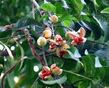
Cytotoxicity Effects of Amoora rohituka and chittagonga on Breast and Pancreatic Cancer Cells
" For MCF-7 cancer cells, the chittagonga (Pet-Ether and CH2Cl2) and rohituka (Pet-Ether) extracts induced cytotoxicity; the chittagonga (EtoAC) and rohituka (MeOH) extracts did not induce cytotoxicity. For HTB126, Panc-1, Mia-Paca2, and Capan-1 cancer cells, only the chittagonga CH2Cl2 extract showed a significant cytotoxic effect. The extracts were not cytotoxic to normal fibroblast Hs68 cells, which may be correlated to the specificity of Amoora extracts in targeting cancerous cells. Based on these results, further examination of the potential anticancer properties Amoora species and the identification of the active ingredients of these extracts is warranted."
" For MCF-7 cancer cells, the chittagonga (Pet-Ether and CH2Cl2) and rohituka (Pet-Ether) extracts induced cytotoxicity; the chittagonga (EtoAC) and rohituka (MeOH) extracts did not induce cytotoxicity. For HTB126, Panc-1, Mia-Paca2, and Capan-1 cancer cells, only the chittagonga CH2Cl2 extract showed a significant cytotoxic effect. The extracts were not cytotoxic to normal fibroblast Hs68 cells, which may be correlated to the specificity of Amoora extracts in targeting cancerous cells. Based on these results, further examination of the potential anticancer properties Amoora species and the identification of the active ingredients of these extracts is warranted."
Cancer-related Fatigue + Polarity Therapy
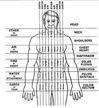
Polarity Therapy for Cancer-Related Fatigue in Patients With Breast Cancer Receiving Radiation Therapy: A Randomized Controlled Pilot Study
"The present study supports previous experimental research showing that PT, a noninvasive and gentle energy therapy, may be effective in controlling CRF. PT is an integrative medicine energy therapy based on the Ayurvedic medical system used for thousands of years in India and evidence of its efficacy could lead to further, potentially fruitful, explorations of this ancient medical practice and/or of other energy therapies such as HT, TT, and Reiki."
"The present study supports previous experimental research showing that PT, a noninvasive and gentle energy therapy, may be effective in controlling CRF. PT is an integrative medicine energy therapy based on the Ayurvedic medical system used for thousands of years in India and evidence of its efficacy could lead to further, potentially fruitful, explorations of this ancient medical practice and/or of other energy therapies such as HT, TT, and Reiki."
Lung cancer + Essential Oils
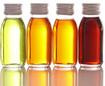
Terpinen-4-ol Induces Apoptosis in Human Nonsmall Cell Lung Cancer In Vitro and In Vivo"
"Collectively, these data provide insight into the molecular mechanisms underlying terpinen-4-ol-induced apoptosis in NSCLC cells, rendering this compound a potential anticancer drug for NSCLC."
"Collectively, these data provide insight into the molecular mechanisms underlying terpinen-4-ol-induced apoptosis in NSCLC cells, rendering this compound a potential anticancer drug for NSCLC."
Colorectal cancer + Sulforaphane (in cruciferous vegetables)
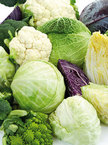
Apoptosis Induction in Primary Human Colorectal Cancer Cell Lines and Retarded Tumor Growth in SCID Mice by Sulforaphane
"Our findings suggest that, in addition to the known effects on cancer prevention, sulforaphane may have antitumor activity in established colorectal cancer."
Sulforaphane (SFN), a potent cancer preventive agent, is a dietary isothiocyanate compound found as a precursor glucosinolate in cruciferous vegetables such as Brussels sprouts, cauliflower, and broccoli
"Our findings suggest that, in addition to the known effects on cancer prevention, sulforaphane may have antitumor activity in established colorectal cancer."
Sulforaphane (SFN), a potent cancer preventive agent, is a dietary isothiocyanate compound found as a precursor glucosinolate in cruciferous vegetables such as Brussels sprouts, cauliflower, and broccoli
Doxorubicin-Induced Cardiotoxicity + L-Glutamine
Oral Glutamine Protects against Acute Doxorubicin-Induced Cardiotoxicity of Tumor-Bearing Rats
"The Gln supplementation resulted in lower cardiac lipid peroxidation and peroxintrite levels and elevated cardiac catalase enzyme activity and GSH compared with the controls, without affecting those of the tumors. DOX-induced alterations of the echocardiographic parameters were significantly reduced in the Gln-supplemented rats. These data indicate that Gln is able to reduce the oxidative damage of cardiomyocytes that occurs soon after DOX administration and thus protects the heart of a tumor-bearing host from DOX-induced cardiomyopathy."
"The Gln supplementation resulted in lower cardiac lipid peroxidation and peroxintrite levels and elevated cardiac catalase enzyme activity and GSH compared with the controls, without affecting those of the tumors. DOX-induced alterations of the echocardiographic parameters were significantly reduced in the Gln-supplemented rats. These data indicate that Gln is able to reduce the oxidative damage of cardiomyocytes that occurs soon after DOX administration and thus protects the heart of a tumor-bearing host from DOX-induced cardiomyopathy."
Breast cancer + Curcumin
Injectable Sustained Release Microparticles of Curcumin: A New Concept for Cancer Chemoprevention
The current study is the first to report the use of an injectable, sustained release formulation, which, after a single dose, results in near-constant systemic concentrations of curcumin for several weeks and a significant inhibition of tumor growth in an orthotopic mammary tumor model. Further, the results of the study show that sustained low levels of curcumin achieved with microparticles may elicit certain antitumor effects not observed after repeated systemic injections.
The current study is the first to report the use of an injectable, sustained release formulation, which, after a single dose, results in near-constant systemic concentrations of curcumin for several weeks and a significant inhibition of tumor growth in an orthotopic mammary tumor model. Further, the results of the study show that sustained low levels of curcumin achieved with microparticles may elicit certain antitumor effects not observed after repeated systemic injections.
Intrathoracic cancers + Radiation + Flaxseed
Dietary flaxseed administered post thoracic radiation treatment improves survival and mitigates radiation-induced pneumonopathy in mice
Dietary FS given post-XRT mitigates radiation effects by decreasing pulmonary fibrosis, inflammation, cytokine secretion and lung damage while enhancing mouse survival. Dietary supplementation of FS may be a useful adjuvant treatment mitigating adverse effects of radiation in individuals exposed to inhaled radioisotopes or incidental radiation.
Dietary FS given post-XRT mitigates radiation effects by decreasing pulmonary fibrosis, inflammation, cytokine secretion and lung damage while enhancing mouse survival. Dietary supplementation of FS may be a useful adjuvant treatment mitigating adverse effects of radiation in individuals exposed to inhaled radioisotopes or incidental radiation.
Colon cancer + Panax quinquefolius
Role of cyclin inhibitor protein p21 in the inhibition of HCT116 human colon cancer cell proliferation by American ginseng (Panax quinquefolius) and its constituents
"In conclusion, the current study demonstrates that American ginseng extract inhibits proliferation and cell cycle progression in HCT116 human colon cancer cells through altered expression of key regulatory proteins, and these actions appear to be dependent on the interaction of both ginsenoside and polysaccharide components of ginseng extract"
"In conclusion, the current study demonstrates that American ginseng extract inhibits proliferation and cell cycle progression in HCT116 human colon cancer cells through altered expression of key regulatory proteins, and these actions appear to be dependent on the interaction of both ginsenoside and polysaccharide components of ginseng extract"
Prostate cancer + Psidium guajava
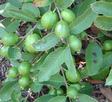
The Aqueous Soluble Polyphenolic Fraction of Psidium guajava Leaves Exhibits Potent Anti-Angiogenesis and Anti-Migration Actions on DU145 Cells
"We conclude that PE potentially possesses a strong anti-prostate cancer effect. Results suggest that PE can be used as an effective clinical adjuvant anti-prostate cancer chemopreventive"
"We conclude that PE potentially possesses a strong anti-prostate cancer effect. Results suggest that PE can be used as an effective clinical adjuvant anti-prostate cancer chemopreventive"
Melanoma + Peganum harmala
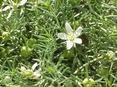
Harmine activates intrinsic and extrinsic pathways of apoptosis in B16F-10 melanoma
"TUNEL assay and flow cytometric analysis also confirmed apoptosis. Furthermore, RT-PCR analysis showed that harmine induced apoptosis in B16F-10 melanoma cells by up-regulating Bax and activating Caspase-3, 9 and p53 and down-regulating Bcl-2. Harmine also up-regulated Caspase-8 and Bid, indicating that harmine affected both extrinsic and intrinsic pathways of apoptosis. This study also showed inhibitory effects of harmine on some transcription factors and pro-inflammatory cytokines that protect cell from apoptosis"
"TUNEL assay and flow cytometric analysis also confirmed apoptosis. Furthermore, RT-PCR analysis showed that harmine induced apoptosis in B16F-10 melanoma cells by up-regulating Bax and activating Caspase-3, 9 and p53 and down-regulating Bcl-2. Harmine also up-regulated Caspase-8 and Bid, indicating that harmine affected both extrinsic and intrinsic pathways of apoptosis. This study also showed inhibitory effects of harmine on some transcription factors and pro-inflammatory cytokines that protect cell from apoptosis"
Cancer Remission + Agaricus blazei
Phase I Clinical Study of the Dietary Supplement, Agaricus blazei Murill, in Cancer Patients in Remission
"This trial supports previous evidence that the ABM product is generally safe, excluding possible allergic reaction......In Japan, researchers have demonstrated antioxidant, antimutagenic, antitumor, cancer inhibitory, cancer preventive and immunoenhancing effects of Agaricus blazei Murill experimentally"
"This trial supports previous evidence that the ABM product is generally safe, excluding possible allergic reaction......In Japan, researchers have demonstrated antioxidant, antimutagenic, antitumor, cancer inhibitory, cancer preventive and immunoenhancing effects of Agaricus blazei Murill experimentally"
Quality of Life in cancer Patients + Viscum album
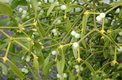
Review Article: Influence of Viscum album L (European Mistletoe) Extracts on Quality of Life in Cancer Patients: A Systematic Review of Controlled Clinical Studies
"Improvements were mainly in regard to coping, fatigue, sleep, exhaustion, energy, nausea, vomiting, appetite, depression, anxiety, ability to work, and emotional and functional well-being in general and, less consistently, in regard to pain, diarrhea, general performance, and side effects of conventional treatments. VAEs were well tolerated."
"Improvements were mainly in regard to coping, fatigue, sleep, exhaustion, energy, nausea, vomiting, appetite, depression, anxiety, ability to work, and emotional and functional well-being in general and, less consistently, in regard to pain, diarrhea, general performance, and side effects of conventional treatments. VAEs were well tolerated."
Cervical cancer + Boerhaavia diffusa Linn. (Punarnava)
Inhibition of Human Cervical Cancer Cell Growth by Ethanolic Extract of Boerhaavia diffusa Linn. (Punarnava) Root
"In conclusion, B. diffusa fraction 5 (BDF 5) could inhibit the proliferation of human cervical cancer cell line, HeLa"
"In conclusion, B. diffusa fraction 5 (BDF 5) could inhibit the proliferation of human cervical cancer cell line, HeLa"
Bladder cancer + Antrodia camphorata
Human urinary bladder cancer T24 cells are susceptible to the Antrodia camphorata extracts
"In conclusion, ACCE is a good anti-cancer agent, being effective in inducing phase G2M arrest, acting as an anti-proliferative, and an anti-metastatic agent against bladder cancer cell T24 cells"
"In conclusion, ACCE is a good anti-cancer agent, being effective in inducing phase G2M arrest, acting as an anti-proliferative, and an anti-metastatic agent against bladder cancer cell T24 cells"
Cancer general + Taiwanofungus camphoratus
Anticancer Effects of Taiwanofungus camphoratus Extracts, Isolated Compounds and its Combinational use
"In addition, various compounds have been further purified from these extracts, such as terpenoids, maleic and succinic acids derivatives, polysaccharides, and other compounds, and they also showed potent cytotoxicity. Besides, T. camphoratus not only has cytotoxic effect but also produces synergistic anticancer effect with trichostatin A, lovastatin, and taxol. It is concluded that T. camphoratus could be considered as a potential anticancer agent to make cancer no longer a frightening nightmare. However, clinical trials of T. camphoratus on human subjects are absent, and the involved mechanism remains unclear. Hence, further investigations would be required."
"In addition, various compounds have been further purified from these extracts, such as terpenoids, maleic and succinic acids derivatives, polysaccharides, and other compounds, and they also showed potent cytotoxicity. Besides, T. camphoratus not only has cytotoxic effect but also produces synergistic anticancer effect with trichostatin A, lovastatin, and taxol. It is concluded that T. camphoratus could be considered as a potential anticancer agent to make cancer no longer a frightening nightmare. However, clinical trials of T. camphoratus on human subjects are absent, and the involved mechanism remains unclear. Hence, further investigations would be required."
Colon cancer + Taiwanofungus camphoratus
Apoptotic Cell Death and Inhibition of Wnt/β-Catenin Signaling Pathway in Human Colon Cancer Cells by an Active Fraction (HS7) from Taiwanofungus camphoratus
"These results indicate that Taiwanofungus camphoratus may provide a benefit as integrative medicine for the treatment of colon cancer."
"These results indicate that Taiwanofungus camphoratus may provide a benefit as integrative medicine for the treatment of colon cancer."
Prostate cancer + Curcumin
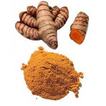
Curcumin sensitizes TRAIL-resistant xenografts: molecular mechanisms of apoptosis, metastasis and angiogenesis
Curcumin is the principal curcuminoid of the popular Indian spice turmeric, which is a member of the ginger family (Zingiberaceae)
"The ability of curcumin to inhibit tumor growth, metastasis and angiogenesis, and enhance the therapeutic potential of TRAIL suggests that curcumin alone or in combination with TRAIL can be used for prostate cancer prevention and/or therapy."
Curcumin is the principal curcuminoid of the popular Indian spice turmeric, which is a member of the ginger family (Zingiberaceae)
"The ability of curcumin to inhibit tumor growth, metastasis and angiogenesis, and enhance the therapeutic potential of TRAIL suggests that curcumin alone or in combination with TRAIL can be used for prostate cancer prevention and/or therapy."
Ovarian cancer + Calomeria amaranthoides
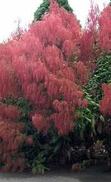
Potent cytotoxic effects of Calomeria amaranthoides on ovarian cancers
Calomeria amaranthoides is a common Australian plant
"For the first time both crude plant extract from Calomeria amaranthoides and EPD have been shown to have potent anti-cancer effects against ovarian cancer."
Calomeria amaranthoides is a common Australian plant
"For the first time both crude plant extract from Calomeria amaranthoides and EPD have been shown to have potent anti-cancer effects against ovarian cancer."
Lung cancer + Polygala senega
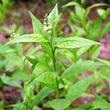
Anticancer potentials of root extract of Polygala senega against benzo[a]pyrene-induced lung cancer in mice
"Chemopreventive potentials of Polygala senega against chemically induced lung cancer in mice are confirmed."
"Chemopreventive potentials of Polygala senega against chemically induced lung cancer in mice are confirmed."
Breast cancer + Homeopathy
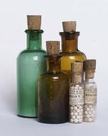
Cytotoxic effects of ultra-diluted remedies on breast cancer cells
"Study demonstrates that the ultra-diluted natural product remedies prescribed in the ‘Banerji Protocol’ induce cell cycle delay/arrest with subsequent apoptosis in breast adenocarcinoma cells. Though the degree of the antisurvival effect appeared to correlate with the presence of the wild-type p53 gene, overall susceptibility to the inhibitory effects of the remedies appeared independent of the functional p53 and estrogen-receptor status of the breast carcinoma cells. Finally, the preferentially elevated cytotoxic effects on breast adenocarcinoma cells compared with cells derived from normal mammary epithelium raises the exciting possibility of a window of therapeutic opportunity for preferentially eliminating breast cancer cells with minimal damage to the surrounding normal mammary tissue by using the ultra-diluted remedies investigated in this report. The findings of this study should encourage further preclinical and animal investigation of these remedies as preventive and/or therapeutic treatments for breast cancer"
"Study demonstrates that the ultra-diluted natural product remedies prescribed in the ‘Banerji Protocol’ induce cell cycle delay/arrest with subsequent apoptosis in breast adenocarcinoma cells. Though the degree of the antisurvival effect appeared to correlate with the presence of the wild-type p53 gene, overall susceptibility to the inhibitory effects of the remedies appeared independent of the functional p53 and estrogen-receptor status of the breast carcinoma cells. Finally, the preferentially elevated cytotoxic effects on breast adenocarcinoma cells compared with cells derived from normal mammary epithelium raises the exciting possibility of a window of therapeutic opportunity for preferentially eliminating breast cancer cells with minimal damage to the surrounding normal mammary tissue by using the ultra-diluted remedies investigated in this report. The findings of this study should encourage further preclinical and animal investigation of these remedies as preventive and/or therapeutic treatments for breast cancer"
Adverse Effects of cancer treatments + Homeopathy
Homeopathic medicines for adverse effects of cancer treatments
"254 participants demonstrated benefits from calendula ointment in the prevention of radiotherapy-induced dermatitis, and another with 32 participants demonstrated benefits from Traumeel S (a complex homeopathic medicine) over placebo as a mouthwash for chemotherapy-induced stomatitis.
The homeopathic medicines used in all eight studies did not seem to cause any serious adverse effects or interact with conventional treatment"
"254 participants demonstrated benefits from calendula ointment in the prevention of radiotherapy-induced dermatitis, and another with 32 participants demonstrated benefits from Traumeel S (a complex homeopathic medicine) over placebo as a mouthwash for chemotherapy-induced stomatitis.
The homeopathic medicines used in all eight studies did not seem to cause any serious adverse effects or interact with conventional treatment"
Brain Tumour + Homeopathy

Ruta 6 selectively induces cell death in brain cancer cells but proliferation in normal peripheral blood lymphocytes: A novel treatment for human brain cancer
Both in vivo and in vitro results showed induction of survival-signaling pathways in normal lymphocytes and induction of death-signaling pathways in brain cancer cells. Cancer cell death was initiated by telomere erosion and completed through mitotic catastrophe events. We propose that Ruta in combination with Ca3(PO4)2 could be used for effective treatment of brain cancers, particularly glioma.
Both in vivo and in vitro results showed induction of survival-signaling pathways in normal lymphocytes and induction of death-signaling pathways in brain cancer cells. Cancer cell death was initiated by telomere erosion and completed through mitotic catastrophe events. We propose that Ruta in combination with Ca3(PO4)2 could be used for effective treatment of brain cancers, particularly glioma.
Melanoma + Homeopathy
Stimulation of lymphocyte anti-melanoma activity by co-cultured macrophages activated by complex homeopathic medication (CHM)
"Co-culture of macrophages with lymphocytes in the presence of the CHM enhanced the anti-cancer performance of lymphocytes against a very aggressive lineage of melanoma cells. These results suggest that non-toxic therapies using CHMs are a promising alternative approach to the treatment of melanomas. In addition, they are attractive combination-therapy candidates, which may enhance the efficacy of conventional medicines by improving the immune response against tumor cells
"Co-culture of macrophages with lymphocytes in the presence of the CHM enhanced the anti-cancer performance of lymphocytes against a very aggressive lineage of melanoma cells. These results suggest that non-toxic therapies using CHMs are a promising alternative approach to the treatment of melanomas. In addition, they are attractive combination-therapy candidates, which may enhance the efficacy of conventional medicines by improving the immune response against tumor cells
Melanoma + Homeopathy
In vitro and in vivo anticancer properties of a Calcarea carbonica derivative complex (M8) treatment in a murine melanoma model
"We found that M8 has at least two functions, acting as both an inhibitor of cancer cell adhesion and invasion and as a perlecan expression antagonist, which are strongly correlated with several metastatic, angiogenic and invasive factors in melanoma tumors....The findings suggest that this medication is a promising non-toxic therapy candidate by improving the immune response against tumor cells or even induce direct dormancy in malignancies".
"We found that M8 has at least two functions, acting as both an inhibitor of cancer cell adhesion and invasion and as a perlecan expression antagonist, which are strongly correlated with several metastatic, angiogenic and invasive factors in melanoma tumors....The findings suggest that this medication is a promising non-toxic therapy candidate by improving the immune response against tumor cells or even induce direct dormancy in malignancies".
Liver Cancer + Hepatitis + Coffee + Green Tea
Effect of Coffee and Green Tea Consumption on the Risk of Liver Cancer: Cohort Analysis by Hepatitis Virus Infection Status
Compared with almost never drinkers, increased coffee consumption was associated with a reduced risk of liver cancer in all subjects A similar risk tendency was observed in those with either or both HCV and HBV infection. In contrast, no association was observed between green tea consumption and the risk of liver cancer in all subjects. Our results suggest that coffee consumption may reduce the risk of liver cancer regardless of HCV and HBV infection status, whereas green tea may not reduce this risk
Compared with almost never drinkers, increased coffee consumption was associated with a reduced risk of liver cancer in all subjects A similar risk tendency was observed in those with either or both HCV and HBV infection. In contrast, no association was observed between green tea consumption and the risk of liver cancer in all subjects. Our results suggest that coffee consumption may reduce the risk of liver cancer regardless of HCV and HBV infection status, whereas green tea may not reduce this risk
Skin Cancer + Black Tea

Tea Intake and Squamous Cell Carcinoma of the Skin: Influence of Type of Tea Beverages
"Adjusting for brewing time, the association between skin SCC and hot black tea consumption suggests a significantly lower risk in consumers of hot tea compared to nonconsumers.......Our results show that tea concentration (strength), brewing time, and beverage temperature have major influences on the potential protective effects of hot black tea in relation to skin SCC"
"Adjusting for brewing time, the association between skin SCC and hot black tea consumption suggests a significantly lower risk in consumers of hot tea compared to nonconsumers.......Our results show that tea concentration (strength), brewing time, and beverage temperature have major influences on the potential protective effects of hot black tea in relation to skin SCC"
Breast cancer + Malaysian tropical ginger
1'S-1'-Acetoxyeugenol acetate: a new chemotherapeutic natural compound against MCF-7 human breast cancer cells
"It was concluded that AEA isolated from the Malaysian tropical ginger represents a potential chemotherapeutic agent against human breast cancer cells with higher cytotoxicity potency than its analogue, ACA."
Alpinia conchigera, also known locally as 'lengkuas ranting', 'lengkuas kecil', 'lengkuas padang', 'lengkuas getting' or 'chengkenam' (Janssen and Scheffer 1985) is found in eastern Bengal and southwards to Peninsular Malaysia and Sumatera (Burkill 1966). It is used as a condiment in the northern states of Peninsular Malaysia and occasionally in traditional medicine in the east coast to treat fungal infections. In Thailand, the rhizomes are used in traditional Thai medicine to relieve the gastro-intestinal disorders and in the preparation of Thai food dishes (Matsuda et al. 2005).
"It was concluded that AEA isolated from the Malaysian tropical ginger represents a potential chemotherapeutic agent against human breast cancer cells with higher cytotoxicity potency than its analogue, ACA."
Alpinia conchigera, also known locally as 'lengkuas ranting', 'lengkuas kecil', 'lengkuas padang', 'lengkuas getting' or 'chengkenam' (Janssen and Scheffer 1985) is found in eastern Bengal and southwards to Peninsular Malaysia and Sumatera (Burkill 1966). It is used as a condiment in the northern states of Peninsular Malaysia and occasionally in traditional medicine in the east coast to treat fungal infections. In Thailand, the rhizomes are used in traditional Thai medicine to relieve the gastro-intestinal disorders and in the preparation of Thai food dishes (Matsuda et al. 2005).
Liver, Breast, Lung cancer + Macrothelypteris torresiana
In vitro and in vivo antitumor activity of Macrothelypteris torresiana and its acute/subacute oral toxicity
"Macrothelypteris torresiana (Gaud.) Ching (Thelypteridaceae) is widely distributed in the south of China and has been used as folk medicine mainly for the treatment of diseases such as hydropsy and traumatic bleeding (Institute of Botany, 1976; Ding, 1982). This recent scientific attention was because of some unusual flavonoids isolated from the species M. torresiana showing significant antitumor activities. Among of them, a unique flavonoid named protoapigenone showed significant antitumor activity against human cancer cell lines Hep G2, Hep 3B (liver), MCF-7 (breast), A549 (lung) and MDA-MB-231 with [IC.sub.50] values of 1.60, 0.23, 0.78, 3.88 and 0.27 ([mu]g/ml, respectively (Lin et al., 2005)."
"Macrothelypteris torresiana (Gaud.) Ching (Thelypteridaceae) is widely distributed in the south of China and has been used as folk medicine mainly for the treatment of diseases such as hydropsy and traumatic bleeding (Institute of Botany, 1976; Ding, 1982). This recent scientific attention was because of some unusual flavonoids isolated from the species M. torresiana showing significant antitumor activities. Among of them, a unique flavonoid named protoapigenone showed significant antitumor activity against human cancer cell lines Hep G2, Hep 3B (liver), MCF-7 (breast), A549 (lung) and MDA-MB-231 with [IC.sub.50] values of 1.60, 0.23, 0.78, 3.88 and 0.27 ([mu]g/ml, respectively (Lin et al., 2005)."
Colorectal cancer + Curcumin + radiation therapy
Curcumin Sensitizes Human Colorectal Cancer Xenografts in Nude Mice to γ-Radiation by Targeting Nuclear Factor-κB–Regulated
Gene Products
Curcumin is the principal curcuminoid of the popular Indian spice turmeric, which is a member of the ginger family (Zingiberaceae)
"Collectively, our results suggest that curcumin potentiates the antitumor effects of radiation therapy in colorectal cancer by suppressing NF-κB and NF-κB–regulated gene products, leading to inhibition of proliferation and angiogenesis"
Curcumin is the principal curcuminoid of the popular Indian spice turmeric, which is a member of the ginger family (Zingiberaceae)
"Collectively, our results suggest that curcumin potentiates the antitumor effects of radiation therapy in colorectal cancer by suppressing NF-κB and NF-κB–regulated gene products, leading to inhibition of proliferation and angiogenesis"
Cancer general + Russula lepida mushroom
First isolation and characterization of a novel lectin with potent antitumor activity from a Russula mushroom.
"In summary, a lectin with a distinctive N-terminal sequence, sugar specificity, hemagglutinating activity with relatively high thermostability and [Cu.sup.2+] -induced enhancement, and potent antiproliferative and antitumor activities was isolated from R. lepida fruiting bodies. The potent antitumor activity of RLL is remarkable and hopefully it can be developed into an agent for cancer therapy. This report represents an addition to the existing list of mushroom lectins".
"In summary, a lectin with a distinctive N-terminal sequence, sugar specificity, hemagglutinating activity with relatively high thermostability and [Cu.sup.2+] -induced enhancement, and potent antiproliferative and antitumor activities was isolated from R. lepida fruiting bodies. The potent antitumor activity of RLL is remarkable and hopefully it can be developed into an agent for cancer therapy. This report represents an addition to the existing list of mushroom lectins".
Cervical cancer + Angelica sinensis (Oliv)
A novel polysaccharide, isolated from Angelica
sinensis (Oliv.) Diels induces the apoptosis of cervical cancer HeLa
cells through an intrinsic apoptotic pathway.
"Our findings provide a novel understanding of the antitumor mechanism of this polysaccharide from Angelica sinensis and might be helpful in developing a new antitumor agent"
"Our findings provide a novel understanding of the antitumor mechanism of this polysaccharide from Angelica sinensis and might be helpful in developing a new antitumor agent"
Metastatic breast cancer + Carvacrol
Anti-proliferative effects of carvacrol on a human metastatic breast cancer cell line, MDA-MB 231
Carvacrol, (2-methyl-5-(l-methylethyl)-phenol), is a major component of the essential oils of oregano and thyme
"The data in the present study clearly demonstrated anti-tumor effects of carvacrol on human metastatic breast cancer cells, MDA-MB 231, and that the compound could have a potential therapeutic significance in treating cancer."
Carvacrol, (2-methyl-5-(l-methylethyl)-phenol), is a major component of the essential oils of oregano and thyme
"The data in the present study clearly demonstrated anti-tumor effects of carvacrol on human metastatic breast cancer cells, MDA-MB 231, and that the compound could have a potential therapeutic significance in treating cancer."
Taste and Smell alterations + Delta-9-tetrahydrocannabinol (THC)
Delta-9-tetrahydrocannabinol may palliate
altered chemosensory perception in cancer patients: results of a
randomized, double-blind,
placebo-controlled pilot trial
Taste and smell (chemosensory) alterations are common and distressing among advanced cancer patients
Delta-9-tetrahydrocannabinol (THC) is the main psychoactive substance found in plants of the species Cannabis sativa
"THC may be useful in the palliation of chemosensory alterations and to improve food enjoyment for cancer patients".
Taste and smell (chemosensory) alterations are common and distressing among advanced cancer patients
Delta-9-tetrahydrocannabinol (THC) is the main psychoactive substance found in plants of the species Cannabis sativa
"THC may be useful in the palliation of chemosensory alterations and to improve food enjoyment for cancer patients".
Lung cancer + Ocimum gratissimum
Ocimum gratissimum Aqueous Extract Induces Apoptotic Signalling in Lung Adenocarcinoma Cell A549
"In conclusion, the present study provides evidences that OGE treatments significantly alter viability of lung adenocarcinoma A549 cells through a synergy of induction of apoptotic signaling and suppression of antiapoptotic signaling, as shown in Figure 7. Moreover, OGE treatment simultaneously inhibits the activation of ERK and enhances the activation of JNK and p38, which is consistent with the enhanced apoptotic signaling and reduced antiapoptotic signaling based on their well-known effects on these signal cascades (Figure 7). By manipulating both arms of apoptotic and antiapoptotic pathway, OGE represents a promisingly effective chemopreventive agent against lung adenocarcinoma."
"In conclusion, the present study provides evidences that OGE treatments significantly alter viability of lung adenocarcinoma A549 cells through a synergy of induction of apoptotic signaling and suppression of antiapoptotic signaling, as shown in Figure 7. Moreover, OGE treatment simultaneously inhibits the activation of ERK and enhances the activation of JNK and p38, which is consistent with the enhanced apoptotic signaling and reduced antiapoptotic signaling based on their well-known effects on these signal cascades (Figure 7). By manipulating both arms of apoptotic and antiapoptotic pathway, OGE represents a promisingly effective chemopreventive agent against lung adenocarcinoma."
Advanced/Recurrent Colorectal Cancer + Peripheral Neurotoxicity Side Effects of Oxaliplatin + Goshajinkigan
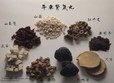
Efficacy of Goshajinkigan for Peripheral Neurotoxicity of Oxaliplatin in Patients with Advanced or Recurrent Colorectal Cancer
Kampō (or Kanpō, 漢方) medicine is the Japanese study and adaptation of Traditional Chinese medicine.
"Peripheral neurotoxicity is the major limiting factor for oxaliplatin therapy....
Concomitant administration of GJG reduced the neurotoxicity of oxaliplatin in patients that received chemotherapy for colorectal cancer".
Kampō (or Kanpō, 漢方) medicine is the Japanese study and adaptation of Traditional Chinese medicine.
"Peripheral neurotoxicity is the major limiting factor for oxaliplatin therapy....
Concomitant administration of GJG reduced the neurotoxicity of oxaliplatin in patients that received chemotherapy for colorectal cancer".
Various Cancers + Ayurveda
Traditional medicinal plants as anticancer agents from Chhattishgarh, India: An overview
"Recently, a greater emphasis has been given towards the researches on complementary and alternative medicine that deals with cancer management. Plants have long history of use in the treatment of cancer [5-7].... Medicinal plants maintain the health and vitality of individuals, and also cure various diseases, including cancer without causing toxicity. Plants derived components have played an important role in the development of several clinically useful anticancer agents. In different region of Chhattisgarh many traditional healers use various medicinal plants for treating of various cancer. This review revealed that many of medicinal plants used by traditional healer are reported to have scientific evidence. There is a need to explore the plants which are not reported scientifically by in-vitro or in-vivo screening methods. These plants can provide potential bioactive compounds for the development of new ‘leads’ to combat cancer diseases"
"Recently, a greater emphasis has been given towards the researches on complementary and alternative medicine that deals with cancer management. Plants have long history of use in the treatment of cancer [5-7].... Medicinal plants maintain the health and vitality of individuals, and also cure various diseases, including cancer without causing toxicity. Plants derived components have played an important role in the development of several clinically useful anticancer agents. In different region of Chhattisgarh many traditional healers use various medicinal plants for treating of various cancer. This review revealed that many of medicinal plants used by traditional healer are reported to have scientific evidence. There is a need to explore the plants which are not reported scientifically by in-vitro or in-vivo screening methods. These plants can provide potential bioactive compounds for the development of new ‘leads’ to combat cancer diseases"
Breast Cancer + Exercise

Effects of exercise on breast cancer patients and survivors: a systematic review and meta-analysis
"Exercise is an effective intervention to improve quality of life, cardiorespiratory fitness, physical functioning and fatigue in breast cancer patients and survivors...Exercise also led to significant improvements in physical functioning and peak oxygen consumption and in reducing symptoms of fatigue... Larger trials that have a greater focus on study quality and adverse effects and that examine the long-term benefits of exercise are needed for this patient group."
"Exercise is an effective intervention to improve quality of life, cardiorespiratory fitness, physical functioning and fatigue in breast cancer patients and survivors...Exercise also led to significant improvements in physical functioning and peak oxygen consumption and in reducing symptoms of fatigue... Larger trials that have a greater focus on study quality and adverse effects and that examine the long-term benefits of exercise are needed for this patient group."
Breast Cancer Recurrence + Soy Isoflavones
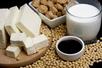
Effect of soy isoflavones on breast cancer recurrence and death for patients receiving adjuvant endocrine therapy
"High dietary intake of soy isoflavones was associated with lower risk of recurrence among post-menopausal patients with breast cancer positive for estrogen and progesterone receptor and those who were receiving anastrozole as endocrine therapy."
"High dietary intake of soy isoflavones was associated with lower risk of recurrence among post-menopausal patients with breast cancer positive for estrogen and progesterone receptor and those who were receiving anastrozole as endocrine therapy."
Cancer General, Metastasis, Ovarian Cancer, Melanoma + Ginseng

Chemistry and Cancer Preventing Activities of Ginseng Saponins and Some Related Triterpenoid Compounds
"Anti-tumor activities are the properties characteristic not only to Ginseng saponins but also to other pentacyclic triterpenes.It is noteworthy, however, that ginsenosides, tetracyclic dammarane-type triterpenoid saponins, could be applied safely due to their mostly non-toxic and non-hemolytic characteristics. Ginseng has been employed in Chinese medicine and folklore medicine in the Eastern Asia regions without any noticeable side effects for more than 2000 yr. Apart from triterpenoid saponins in ginseng, acetylenic alcohol obtained from Ginseng, especially panaxytriol, showed anti-cancer activity against melanoma B16 when intramuscularly administered"
"Anti-tumor activities are the properties characteristic not only to Ginseng saponins but also to other pentacyclic triterpenes.It is noteworthy, however, that ginsenosides, tetracyclic dammarane-type triterpenoid saponins, could be applied safely due to their mostly non-toxic and non-hemolytic characteristics. Ginseng has been employed in Chinese medicine and folklore medicine in the Eastern Asia regions without any noticeable side effects for more than 2000 yr. Apart from triterpenoid saponins in ginseng, acetylenic alcohol obtained from Ginseng, especially panaxytriol, showed anti-cancer activity against melanoma B16 when intramuscularly administered"
Liver Cancer + Panax notoginseng

Anti-proliferative effects of raw and steamed extracts of Panax notoginseng and its ginsenoside constituents on human liver cancer cells
"Steaming increased the concentrations of ginsenoside Rh2, Rk1, Rk3 and 20S-Rg3 and enhanced growth inhibition of liver cancer cells. Conclusion Steaming changes the chemical profile as well as anti-cancer biological activities of P. notoginseng. Steamed P. notoginseng contains potential compounds for the treatment of liver cancer"
"Steaming increased the concentrations of ginsenoside Rh2, Rk1, Rk3 and 20S-Rg3 and enhanced growth inhibition of liver cancer cells. Conclusion Steaming changes the chemical profile as well as anti-cancer biological activities of P. notoginseng. Steamed P. notoginseng contains potential compounds for the treatment of liver cancer"
Yoga + Breast Cancer + Fatigue

Yoga for Persistent Fatigue in Breast Cancer Survivors: Results of a Pilot Study
There was a significant improvement in fatigue scores from pre- to post-intervention that was maintained at the 3-month post-intervention followup. Significant improvements were also observed in measures of physical function, depressed mood, and quality of life. These results support the acceptability of this intervention and suggest that it may have beneficial effects on persistent post-treatment fatigue. However, results require replication in a larger randomized controlled trial.
There was a significant improvement in fatigue scores from pre- to post-intervention that was maintained at the 3-month post-intervention followup. Significant improvements were also observed in measures of physical function, depressed mood, and quality of life. These results support the acceptability of this intervention and suggest that it may have beneficial effects on persistent post-treatment fatigue. However, results require replication in a larger randomized controlled trial.
Homeopathy + Psorninum + Stomach, Gall Bladder, Pancreatic + Liver Cancers

Psorinum Therapy in Treating Stomach, Gall Bladder, Pancreatic, and Liver Cancers: A Prospective Clinical Study
The limitation of this study is that it did not have any placebo or treatment control arm; therefore, it cannot be concluded that Psorinum Therapy is effective in improving the survival and the quality of life of the participants due to the academic rigours of the scientific clinical trials. This study also cannot rule out the effects of the implemented allopathic and homeopathic supportive measures in the observed results. However, the results of the study showed a fair number of complete and partial tumor responses along with impressive survival outcomes in difficult to treat cancer types. Therefore, randomized double-blind clinical trial, detailed molecular, pharmacokinetics, and pharmacodynamics studies should be conducted for further scientific exploration of this alternative cancer treatment to determine if it can be integrated into the mainstream oncology.
The limitation of this study is that it did not have any placebo or treatment control arm; therefore, it cannot be concluded that Psorinum Therapy is effective in improving the survival and the quality of life of the participants due to the academic rigours of the scientific clinical trials. This study also cannot rule out the effects of the implemented allopathic and homeopathic supportive measures in the observed results. However, the results of the study showed a fair number of complete and partial tumor responses along with impressive survival outcomes in difficult to treat cancer types. Therefore, randomized double-blind clinical trial, detailed molecular, pharmacokinetics, and pharmacodynamics studies should be conducted for further scientific exploration of this alternative cancer treatment to determine if it can be integrated into the mainstream oncology.
Protein, Dairy Foods and Cancer

Video
Cornell University professor T. Colin Campbell Phd presents the overwhelming evidence showing that animal protein is one of the most potent carcinogens people are exposed to.
Cornell University professor T. Colin Campbell Phd presents the overwhelming evidence showing that animal protein is one of the most potent carcinogens people are exposed to.
Breast Cancer + metastasis + Coenzyme Q10

Exogenous coenzyme Q10 modulates MMP-2 activity in MCF-7 cell ine as a breast cancer cellular model
CoQ10 is a natural lipid-soluble antioxidant.
"The present study highlights the significance of Coenzyme Q10 effect on the cell invasion/metastasis effecter molecules"
CoQ10 is a natural lipid-soluble antioxidant.
"The present study highlights the significance of Coenzyme Q10 effect on the cell invasion/metastasis effecter molecules"
Breast + Prostate Cancer + Strobilanthes crispus

Anticancer activity of a sub-fraction of dichloromethane extract of Strobilanthes crispus on human breast and prostate cancer cells in vitro
"Leaves are used in folk medicine for their antidiabetic, diuretic, anticancer and blood pressure lowering properties. Crude extracts of this plant have been found to be cytotoxic to human cancer cell lines and protective against chemically-induced hepatocarcinogenesis in rats.....A dichloromethane sub-fraction of S. crispus displayed potent anticancer activities in vitro that can be further exploited for the development of a potential therapeutic anticancer agent."
"Leaves are used in folk medicine for their antidiabetic, diuretic, anticancer and blood pressure lowering properties. Crude extracts of this plant have been found to be cytotoxic to human cancer cell lines and protective against chemically-induced hepatocarcinogenesis in rats.....A dichloromethane sub-fraction of S. crispus displayed potent anticancer activities in vitro that can be further exploited for the development of a potential therapeutic anticancer agent."
Chemopreventive, Cancer general + DNA damage + Moringa oleifera Lam

Moringa oleifera Lam. leaves prevent Cyclophosphamide-induced micronucleus and DNA damage in mice
"Moringa species have long been recognized by folk medicine practitioners as having value in tumor therapy"
"The results show that the extract has anti-genotoxic effects on CP-induced lesions in mice. The present results eventually lead us to conclude that ethanolic extract of M.oleifera leaves possess anti-genotoxic phytoconstituents".
"Moringa species have long been recognized by folk medicine practitioners as having value in tumor therapy"
"The results show that the extract has anti-genotoxic effects on CP-induced lesions in mice. The present results eventually lead us to conclude that ethanolic extract of M.oleifera leaves possess anti-genotoxic phytoconstituents".
Lymphoma + Cacao (Theobroma cacao L.)

Antitumor activity against murine lymphoma L5178Y model of proteins from cacao (Theobroma cacao L.) seeds in relation with in vitro antioxidant activity
"This study is the first report on the biological activity of semifermented-dry cacao protein fractions with their identification, supporting the traditional use of the plant. The albumin fraction showed antitumor and free radical scavenging capacity, however both activities were not correlated. The protein fractions could be considered as source of potential antitumor peptides".
"This study is the first report on the biological activity of semifermented-dry cacao protein fractions with their identification, supporting the traditional use of the plant. The albumin fraction showed antitumor and free radical scavenging capacity, however both activities were not correlated. The protein fractions could be considered as source of potential antitumor peptides".
Cervical cancer + Corydalis cava

Cytotoxic activity of proteins isolated from extracts of Corydalis cava tubers in human cervical carcinoma HeLa cells
"The Corydalis sp. tubers are a rich source of many biologically active substances, with the extensive use in European and Asian folk medicine. They have analgetic, sedating, narcotic, anti-inflammatory, anti-allergic and anti-tumour activities"
The cytotoxic effect of studied proteins toward HeLa cell line cells has been evident and dependent on increasing dose of the protein
"The Corydalis sp. tubers are a rich source of many biologically active substances, with the extensive use in European and Asian folk medicine. They have analgetic, sedating, narcotic, anti-inflammatory, anti-allergic and anti-tumour activities"
The cytotoxic effect of studied proteins toward HeLa cell line cells has been evident and dependent on increasing dose of the protein
Anticachexia (weight loss, anorexia and weakness) + Colon cancer + Coptidis rhizoma

Anticachectic effects of the natural herb Coptidis rhizoma and berberine on mice bearing colon 26/clone 20 adenocarcinoma
".In conclusion, our study showed that C. rhizoma exerts an anticachectic effect on colon 26/clone 20–transplanted mice and that the effect is associated with tumor IL-6 production. We also suggest that berberine, its major component, might play a role in the prevention of cachexia"
".In conclusion, our study showed that C. rhizoma exerts an anticachectic effect on colon 26/clone 20–transplanted mice and that the effect is associated with tumor IL-6 production. We also suggest that berberine, its major component, might play a role in the prevention of cachexia"
Non melanoma skin cancer, oesphageal + colon cancer + Berberine (isoquinoline alkaloid present in roots, rhizome + stem bark of a number of important medicinal plant species

Berberine inhibits growth, induces G1 arrest and apoptosis in human epidermoid carcinoma A431 cells by regulating Cdki–Cdk-cyclin cascade, disruption of mitochondrial membrane potential and cleavage of caspase 3 and PAR
"Berberine possesses a wide range of biochemical and pharmacological activities, viz. antidiarrheal, antiarrhythmic and antitumor activities. Coptidis rhizoma, containing abundant berberine, is shown to inhibit the proliferation of esophageal cancer cells Berberine inhibits cyclooxygenase-2 transcriptional activity in human colon cancer cells and preliminary studies have shown that berberine sulfate inhibits tumor promoting activity of teleocidin in two-stage chemical carcinogenesis on mouse skin"
"Berberine possesses a wide range of biochemical and pharmacological activities, viz. antidiarrheal, antiarrhythmic and antitumor activities. Coptidis rhizoma, containing abundant berberine, is shown to inhibit the proliferation of esophageal cancer cells Berberine inhibits cyclooxygenase-2 transcriptional activity in human colon cancer cells and preliminary studies have shown that berberine sulfate inhibits tumor promoting activity of teleocidin in two-stage chemical carcinogenesis on mouse skin"
Breast cancer + Huanglian (Coptidis rhizoma), a widely used herb in traditional Chinese medicine,

The extract of huanglian, a medicinal herb, induces cell growth arrest and apoptosis by upregulation of interferon-β and TNF--α in human breast cancer cells
"The data presented here demonstrate that huanglian extract is highly effective in inhibiting cell proliferation and inducing apoptotic cell death in MCF-7 breast cancer cells."
"The data presented here demonstrate that huanglian extract is highly effective in inhibiting cell proliferation and inducing apoptotic cell death in MCF-7 breast cancer cells."
Cancer General, Liver toxicity + Berberine (isoquinoline alkaloid present in roots, rhizome and stem bark of a number of important medicinal plants)

Hepatoprotective effects of berberine on carbob tetrachloride-induced acute hepatotoxicity in rats
"Berberine is an active compound in Coptidis Rhizoma (Huanglian) with multiple pharmacological activities including antimicrobial, antiviral, anti-inflammatory, cholesterol-lowering and anticancer effects. The present study demonstrates that berberine possesses hepatoprotective effects against CCl4-induced hepatotoxicity and that the effects are both preventive and curative"
"Berberine is an active compound in Coptidis Rhizoma (Huanglian) with multiple pharmacological activities including antimicrobial, antiviral, anti-inflammatory, cholesterol-lowering and anticancer effects. The present study demonstrates that berberine possesses hepatoprotective effects against CCl4-induced hepatotoxicity and that the effects are both preventive and curative"
Cancer general + Berries - Berries contain many known chemopreventive agents such as anthocyanins and ellagitannins that can be greatly concentrated in freeze-dried berry powders.

Foodstuffs for Preventing Cancer: The Preclinical and Clinical Development of Berries
"The objective of this approach is to selectively kill specific types of cancer cells with minimal effects on their normal counterparts. In contrast, berry powders contain a mixture of compounds that seem to affect the expression levels of a wide range of cancer-related genes (to lesser extents than therapeutic agents;), thus preventing the conversion of premalignant cells to malignancy at doses that cause minimal or no cytotoxicity. In this regard, berries seem to fulfill the requirement of an “ideal” chemopreventive agent . The same is undoubtedly true of many other foodstuffs; for example, a freeze-dried aqueous extract of broccoli sprouts was effective at dietary levels in inhibiting chemically induced bladder cancer with no observable toxicity in rats"
"The objective of this approach is to selectively kill specific types of cancer cells with minimal effects on their normal counterparts. In contrast, berry powders contain a mixture of compounds that seem to affect the expression levels of a wide range of cancer-related genes (to lesser extents than therapeutic agents;), thus preventing the conversion of premalignant cells to malignancy at doses that cause minimal or no cytotoxicity. In this regard, berries seem to fulfill the requirement of an “ideal” chemopreventive agent . The same is undoubtedly true of many other foodstuffs; for example, a freeze-dried aqueous extract of broccoli sprouts was effective at dietary levels in inhibiting chemically induced bladder cancer with no observable toxicity in rats"
Chemopreventative, Cancer general + Resveratrol (a dietary polyphenol derived from grapes, berries, peanuts, and other plant sources)

Cancer Prevention and Treatment with Resveratrol: From Rodent Studies to Clinical Trials
"The anticancer property of resveratrol has been supported by its ability to inhibit proliferation of a wide variety of human tumor cells in vitro. These in vitro data have led to numerous preclinical animal studies to evaluate the potential of this drug for cancer chemoprevention and chemotherapy. This review provides concise, comprehensive data from preclinical in vivo studies in various rodent models of human cancers, highlighting the related mechanisms of action. Bioavailability, pharmacokinetic, and potential toxicity studies of resveratrol in humans and ongoing interventional clinical trials are also presented. The conclusion describes directions for future resveratrol research to establish its activity and utility as a human cancer preventive and therapeutic drug".
"The anticancer property of resveratrol has been supported by its ability to inhibit proliferation of a wide variety of human tumor cells in vitro. These in vitro data have led to numerous preclinical animal studies to evaluate the potential of this drug for cancer chemoprevention and chemotherapy. This review provides concise, comprehensive data from preclinical in vivo studies in various rodent models of human cancers, highlighting the related mechanisms of action. Bioavailability, pharmacokinetic, and potential toxicity studies of resveratrol in humans and ongoing interventional clinical trials are also presented. The conclusion describes directions for future resveratrol research to establish its activity and utility as a human cancer preventive and therapeutic drug".
Head + Neck cancers + malodorous necrotic ulcers. Malodorous necrotic ulcers in cancer patients are of major concern as it leads to social isolation and poor quality of life + Eucalyptus Essential Oil
Antibacterial essential oils in malodorous cancer patients: Clinical observations in 30 patients
"All patients experienced complete resolution of the foul smell by only the third or fourth day of therapy. As a secondary effect we saw that besides smell reduction the oils had anti-inflammatory effects on neoplastic
ulcers. In some patients ulcers started to heal and achieved complete re-epithiliazation. The patients experienced great personal relief upon resolution of their malodorous conditions. Quality of life improved significantly with the resulting reintroduction of social contact with friends and relatives."
"All patients experienced complete resolution of the foul smell by only the third or fourth day of therapy. As a secondary effect we saw that besides smell reduction the oils had anti-inflammatory effects on neoplastic
ulcers. In some patients ulcers started to heal and achieved complete re-epithiliazation. The patients experienced great personal relief upon resolution of their malodorous conditions. Quality of life improved significantly with the resulting reintroduction of social contact with friends and relatives."
Chemoprevention + Cancer general + tea + curcumin + Resveratrol + Pomegranate, Lycopene + Luteolin + Genisten and other promising natural agents.

Perspectives for Cancer Prevention With Natural Compounds
"Various epidemiological and preclinical findings and the results of several early clinical studies convincingly argue for a definitive role of selected dietary products in the prevention and treatment of cancers. Many of these agents target multiple signal transduction pathways, which vary widely depending on cancer origin.....Since drug-associated toxicity remains a significant barrier for currently available chemotherapeutic and chemopreventive drugs, using natural compounds (which have better safety profiles) as adjuvant therapy with current chemotherapeutic agents may help to mitigate drug-associated toxicities. For example, genistein was found to sensitize prostate cancer to radiation in animal studiesand a recent clinical trial suggested that soy isoflavones could prevent radiation-induced bladder and bowel adverse effects and erectile dysfunction"
"Various epidemiological and preclinical findings and the results of several early clinical studies convincingly argue for a definitive role of selected dietary products in the prevention and treatment of cancers. Many of these agents target multiple signal transduction pathways, which vary widely depending on cancer origin.....Since drug-associated toxicity remains a significant barrier for currently available chemotherapeutic and chemopreventive drugs, using natural compounds (which have better safety profiles) as adjuvant therapy with current chemotherapeutic agents may help to mitigate drug-associated toxicities. For example, genistein was found to sensitize prostate cancer to radiation in animal studiesand a recent clinical trial suggested that soy isoflavones could prevent radiation-induced bladder and bowel adverse effects and erectile dysfunction"
Prostate cancer + curcumin. Curcumin is the principal curcuminoid of the popular Indian spice turmeric, which is a member of the ginger family (Zingiberaceae)
Chemopreventive potential of curcumin in prostate cancer
"These results are consistent with this compound’s ability to up-induce pro-apoptotic proteins and to down-regulate the anti-apoptotic counterparts. Alone or in combination with TRAIL-mediated immunotherapy or radiotherapy, curcumin is also reported to be a good inducer of prostate cancer cell death by apoptosis. Curcumin appears thus as a non-toxic alternative for prostate cancer prevention, treatment or co-treatment."
"These results are consistent with this compound’s ability to up-induce pro-apoptotic proteins and to down-regulate the anti-apoptotic counterparts. Alone or in combination with TRAIL-mediated immunotherapy or radiotherapy, curcumin is also reported to be a good inducer of prostate cancer cell death by apoptosis. Curcumin appears thus as a non-toxic alternative for prostate cancer prevention, treatment or co-treatment."
Melanoma + capsaicin (trans-8-methyl-N-vanillyl-6-nonenamide) is one of the major pungent ingredients found in red pepper, which is among the most commonly and frequently used spices in the world
Inhibitory effect of capsaicin on B16-F10 melanoma cell migration via the phosphatidylinositol 3-kinase/Akt/Rac1 signal pathway
"The present study provides novel insights into the molecular mechanisms of capsaicin. Furthermore, anti-migration of highly metastatic B16-F10 melanoma cells by capsaicin can be considered an effective approach for the suppression of cancer invasion and metastasis"
"The present study provides novel insights into the molecular mechanisms of capsaicin. Furthermore, anti-migration of highly metastatic B16-F10 melanoma cells by capsaicin can be considered an effective approach for the suppression of cancer invasion and metastasis"
The information on this site is intended for educational purposes only and is not a substitute for the advice of a qualified healthcare professional. Evidence Based Natural Health (EBNH) does not verify the content or claims made, either implicit or explicit. EBNH does not accept responsibility for the consequences of the use of this information or its most up-to-date accuracy.
